Blog

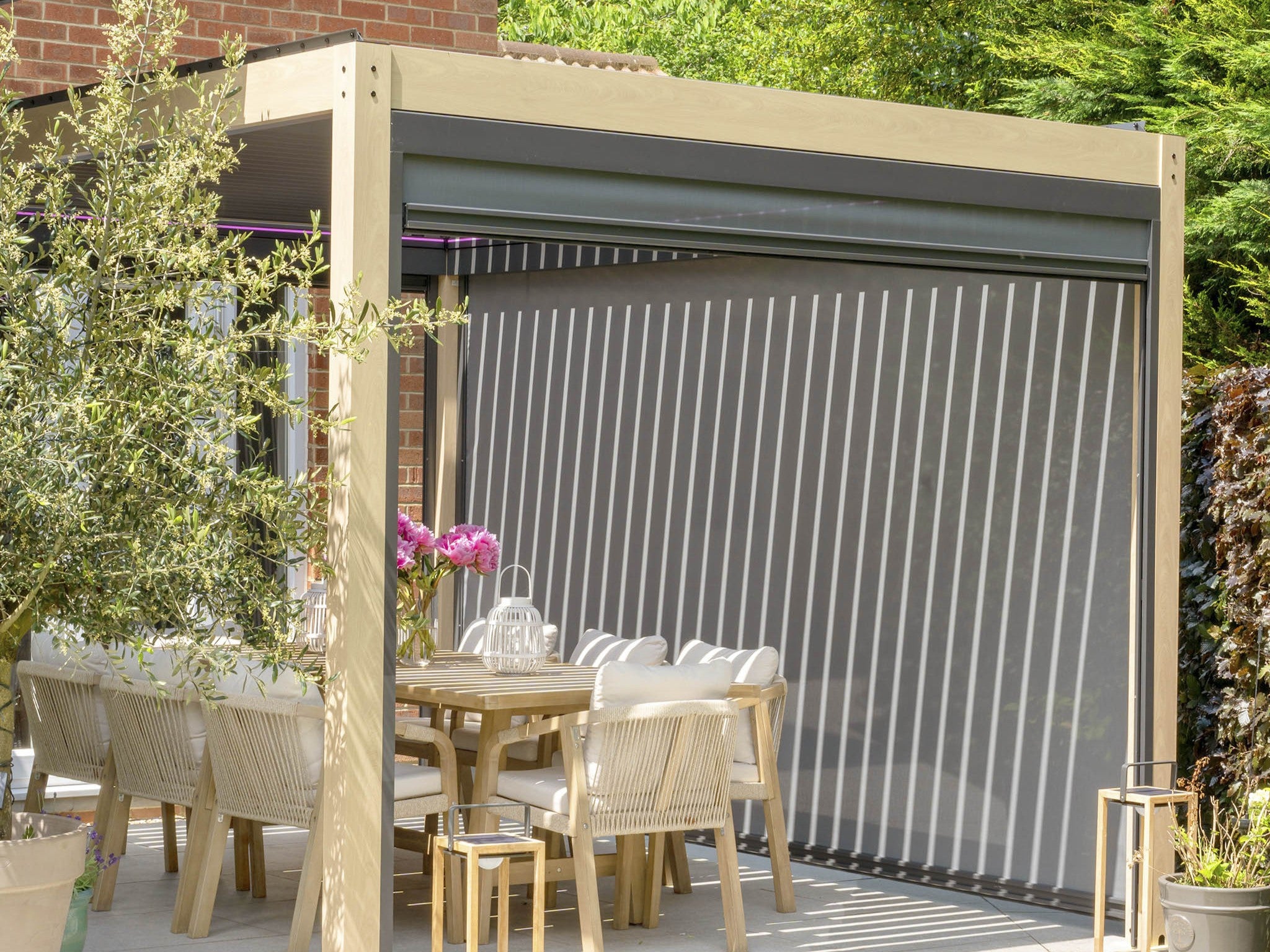
  • 17 Pergola Seating Ideas for Beautiful, Usable Spaces

    17 Pergola Seating Ideas for Beautiful, Usable Spaces

    One of the most sought-after garden features in the UK, pergolas introduce structure, shade and style to outdoor spaces. With the right seating, it can turn an unused corner into a welcoming retreat or an open patio into the heart of the garden. The rise in outdoor living has made comfort just as important outside as it is indoors. From cushioned sofas to laid-back dining sets, today’s pergola seating area ideas focus on creating spaces that feel calm and beautifully finished. In this guide, you’ll find inspiration for every style and size of garden, with ideas that make the most of your pergola through every season. Discover layouts, materials and accessories that balance design with practicality, and explore the Harbour Lifestyle pergola collection and garden furniture range to help bring your own vision to life.


    What to consider when choosing pergola seating

    Before you pick your furniture, take a moment to think about what you want from your space. Here are a few key points to guide you:

    • Size and layout: Match seating to the space and keep enough room to move around comfortably.

    • Purpose: Choose dining sets for meals, or loungers and corner sofas for relaxed socialising.

    • Open or covered: Open pergolas need lighter furniture, while covered designs suit cushioned and permanent setups. Explore our customisable pergolas to find a style and size that fits your garden perfectly.

    • Materials: Opt for durable, weather-resistant options like aluminium, teak or fabric that’s made especially for the outdoors.

    • Comfort: Prioritise seating with proper support and quality cushions for lasting comfort.

    • Seasonal use: Adapt your setup with rugs, throws or heating to enjoy the space all year.


    How to make a pergola look pretty: 20 pergola seating ideas

    Every pergola tells a story through how it’s used, whether that’s morning coffee, quiet reading or dinner with friends. The seating ideas below bring those moments to life with plenty of comfort and character. 


    1. Frame your seating with outdoor rugs and planters
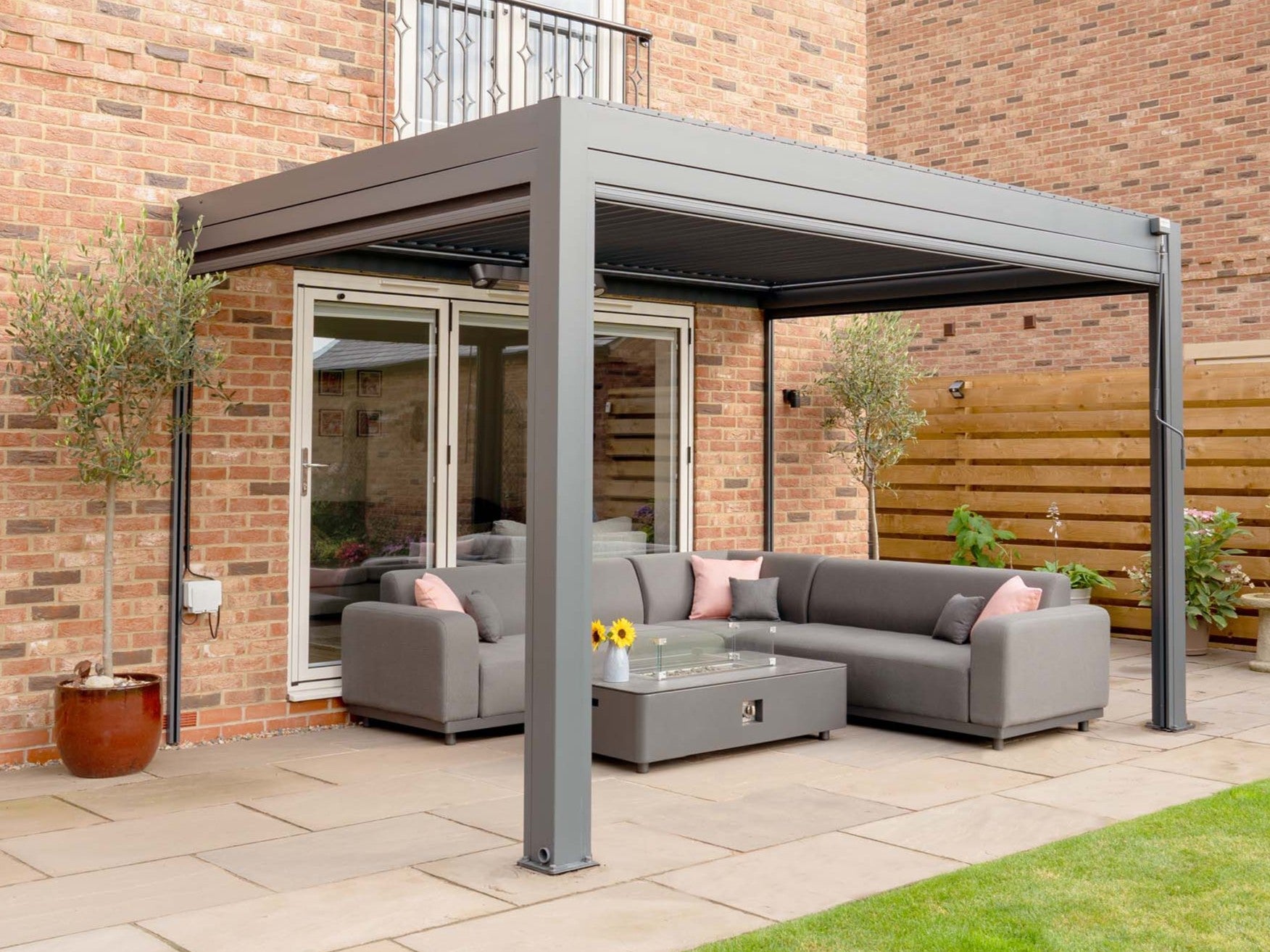
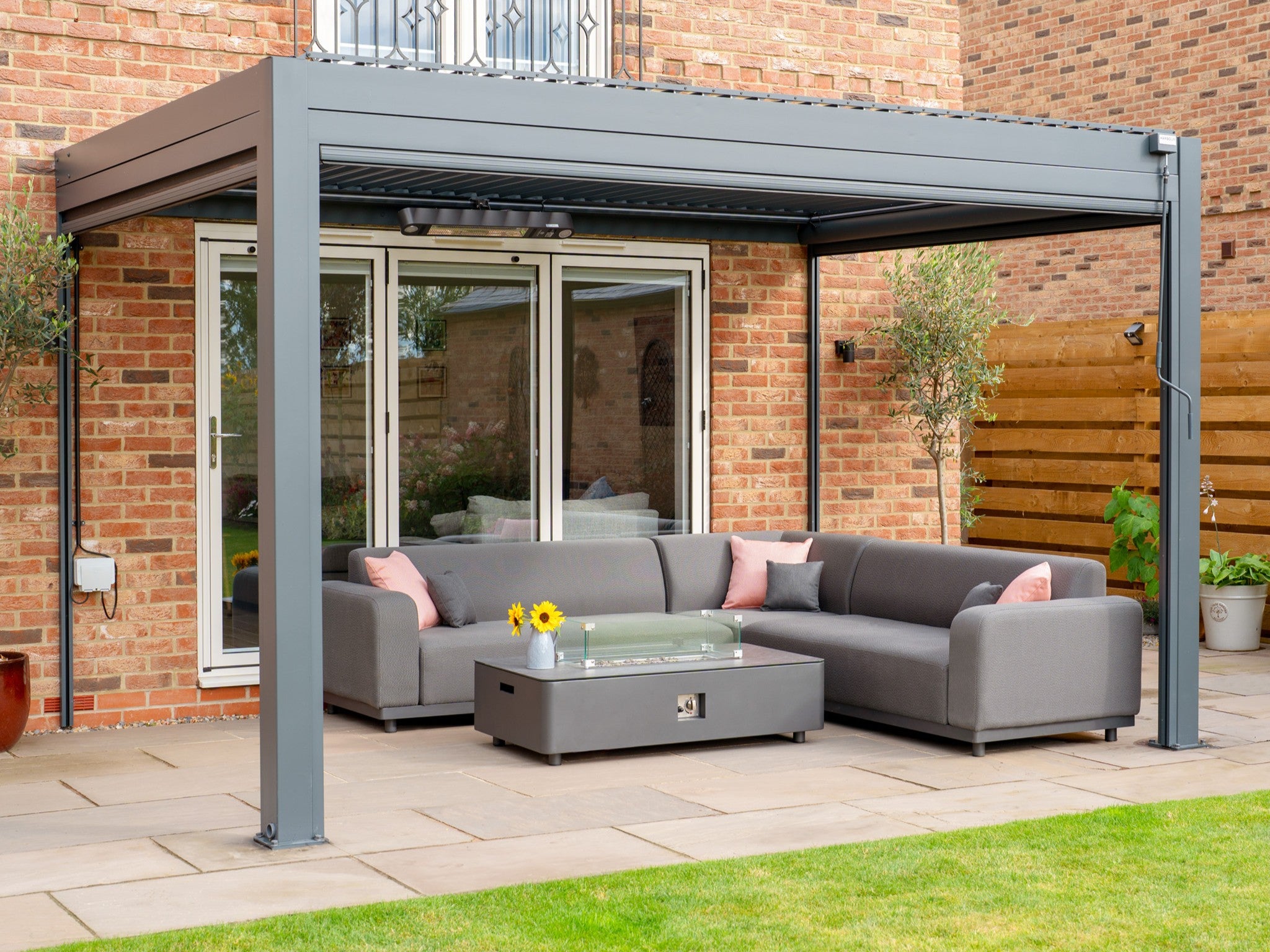
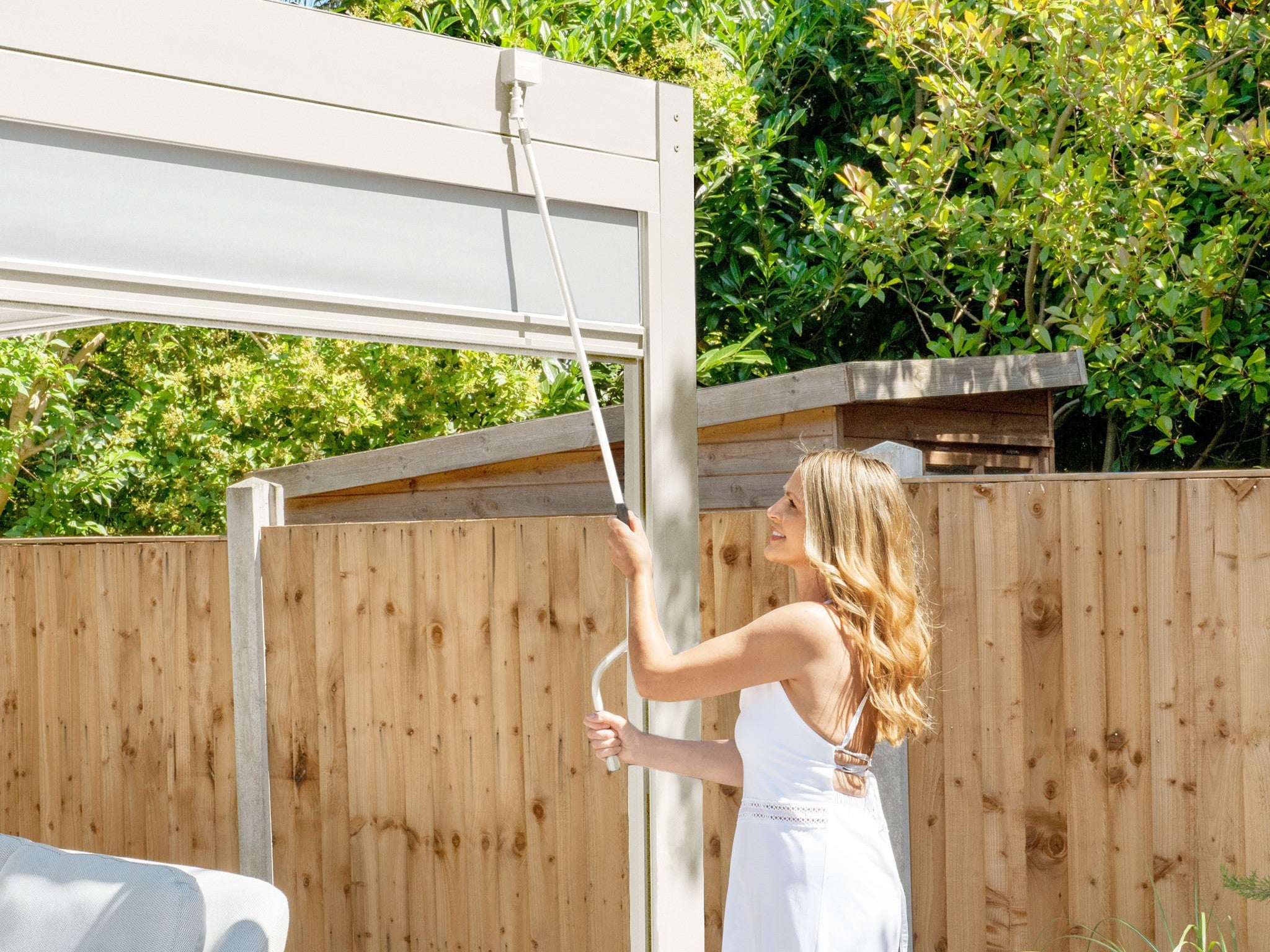
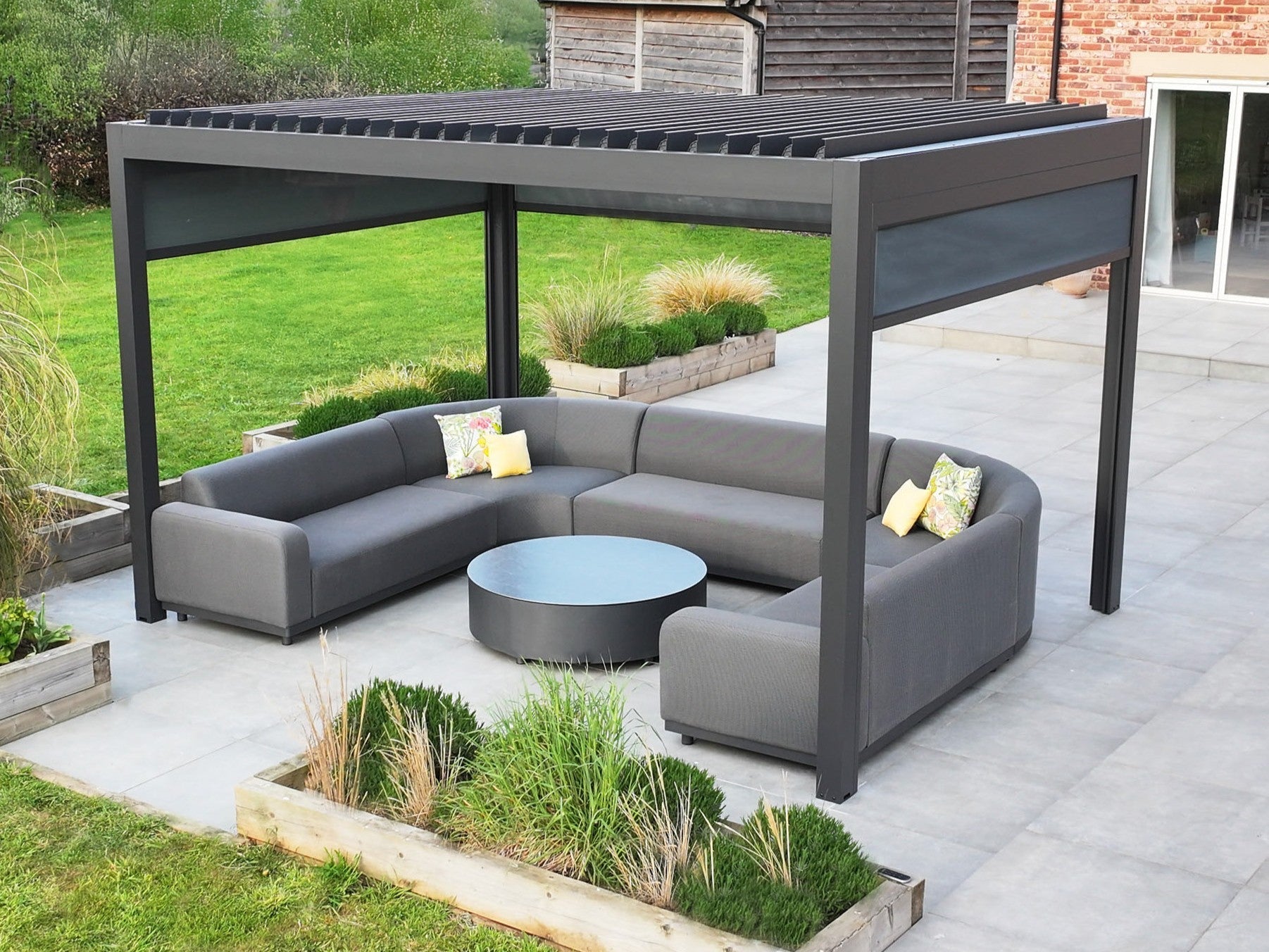
    PergoSTET Plus 3m x 4m Rectangular Wall Mounted Pergola with 3 Manual Side Blinds and LED Lighting in Grey – £3,799.00

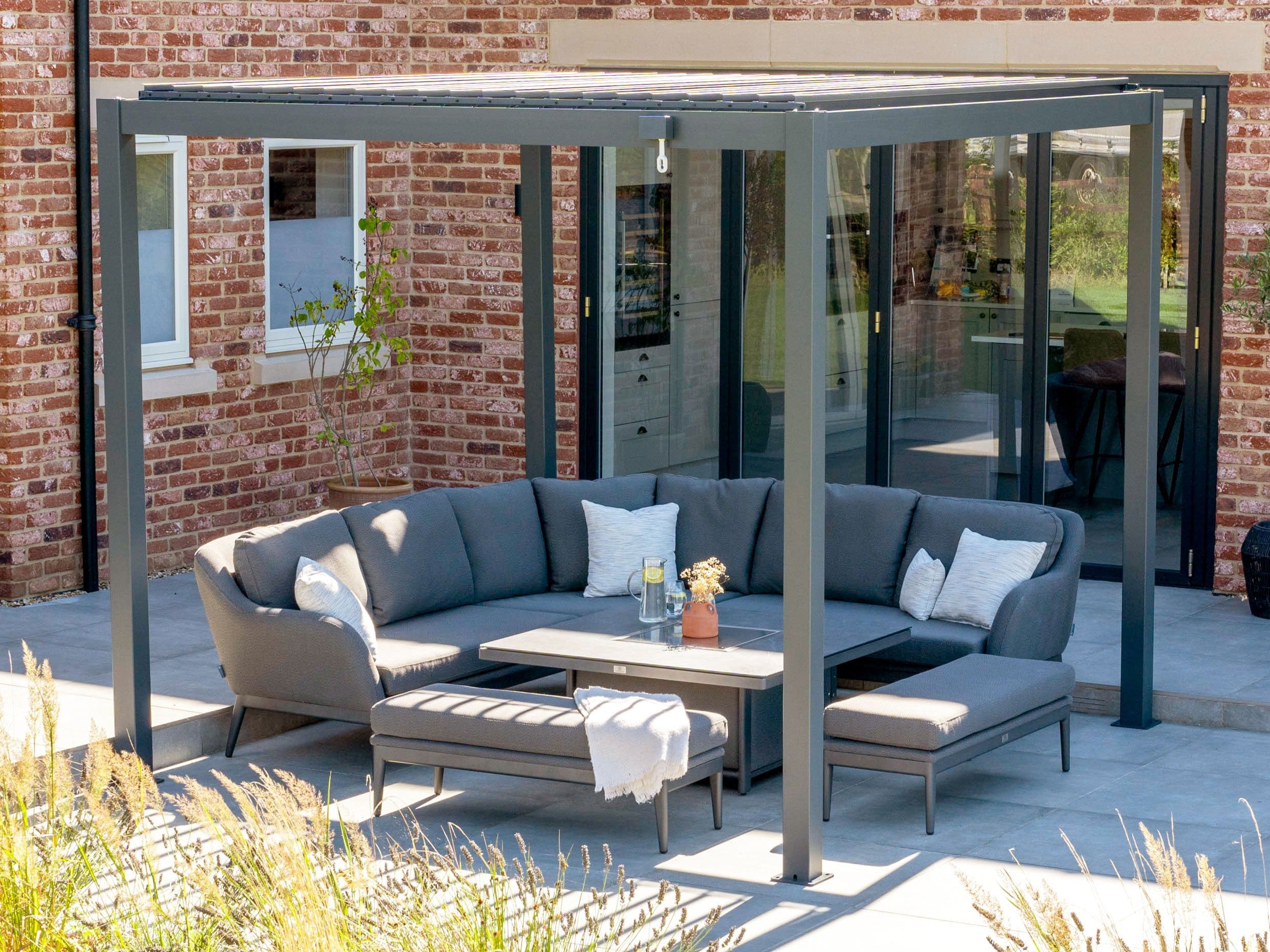
    Luna Outdoor Fabric Corner Sofa Set with Firepit Coffee Table in Grey- £3,749.00


    Soft furnishings are what turn a pergola from a structure into a sanctuary. A woven rug defines the space and adds a touch of warmth, while planters filled with rosemary, jasmine or feathery grass blur the edges between garden and seating zone. Layering textures like fabric, wood and greenery makes the whole area feel settled and inviting, even before you sit down.


    2. Opt for curved or circular seating layouts
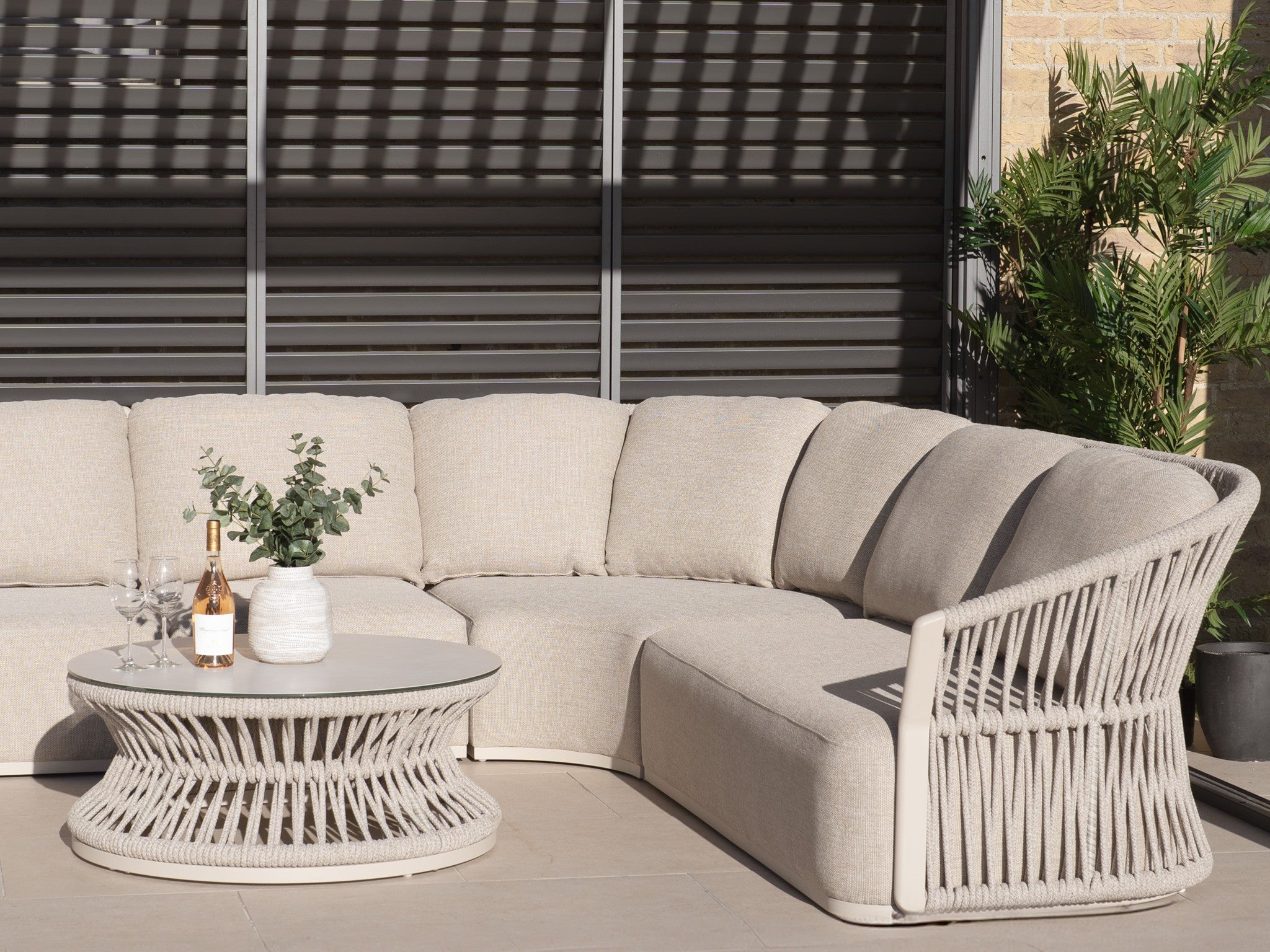
    Pello Deluxe Curved Sofa Set with Round Coffee Table in Fawn – £4,499.00


    Curves introduce a natural rhythm to outdoor spaces. A circular sofa draws the eye in and makes the area feel more sociable, while leaving the view open to the garden beyond. Pair soft upholstery with a round coffee table or central fire pit to mirror the shape, and anchor the look with a rug that echoes those gentle curves. Soft furnishings are what turn a pergola from a structure into a sanctuary. A woven rug defines the space and adds a touch of warmth, while planters filled with rosemary, jasmine or feathery grass blur the edges between garden and seating zone. Layering textures like fabric, wood and greenery makes the whole area feel settled and inviting, even before you sit down.


    3. Style a cosy lounge with a modular corner sofa
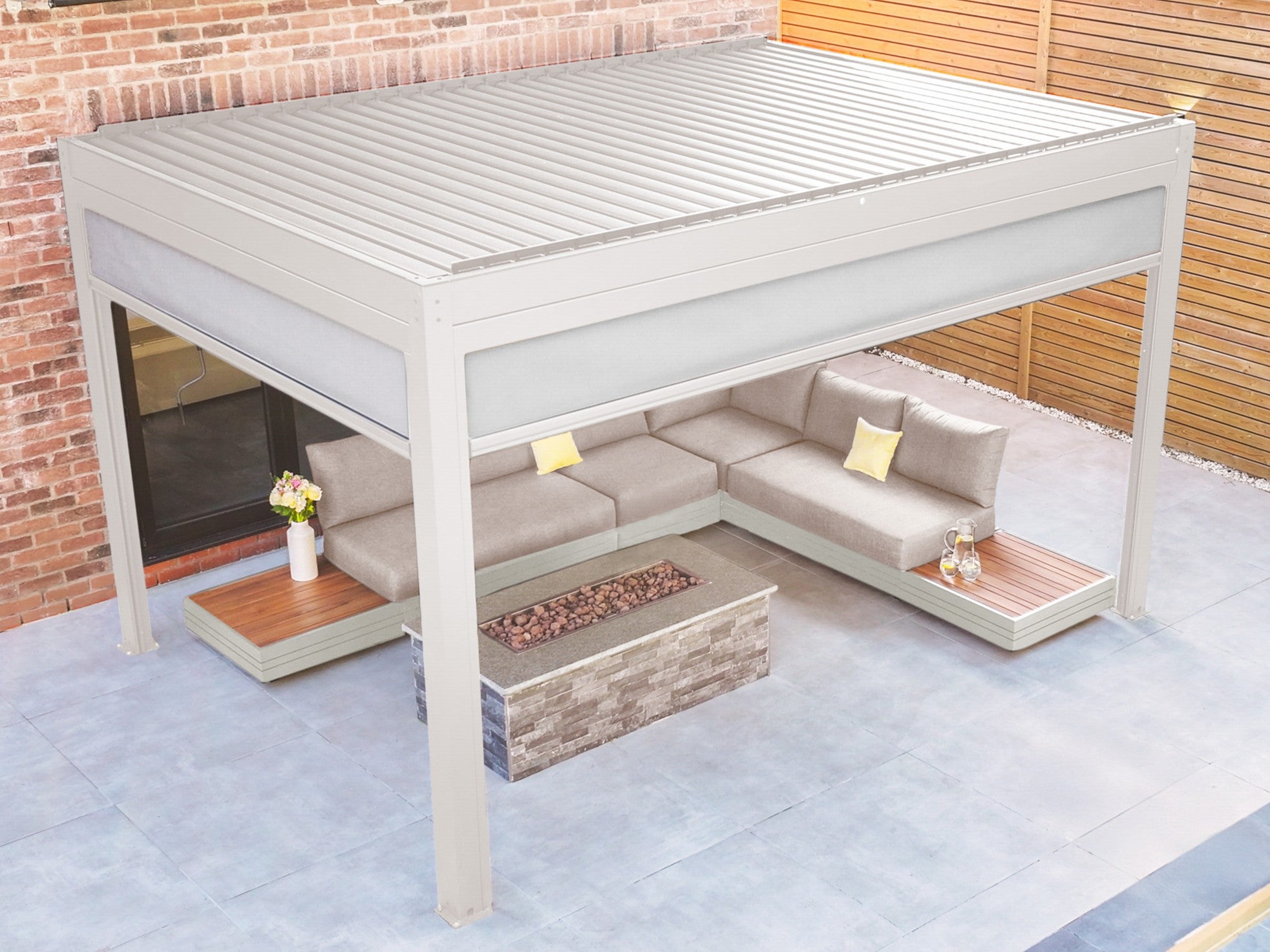
    PergoSTET Plus 3m x 4m Rectangular Pergola with 3 Manual Side Blinds and LED Lighting in Latte – £3,999.00


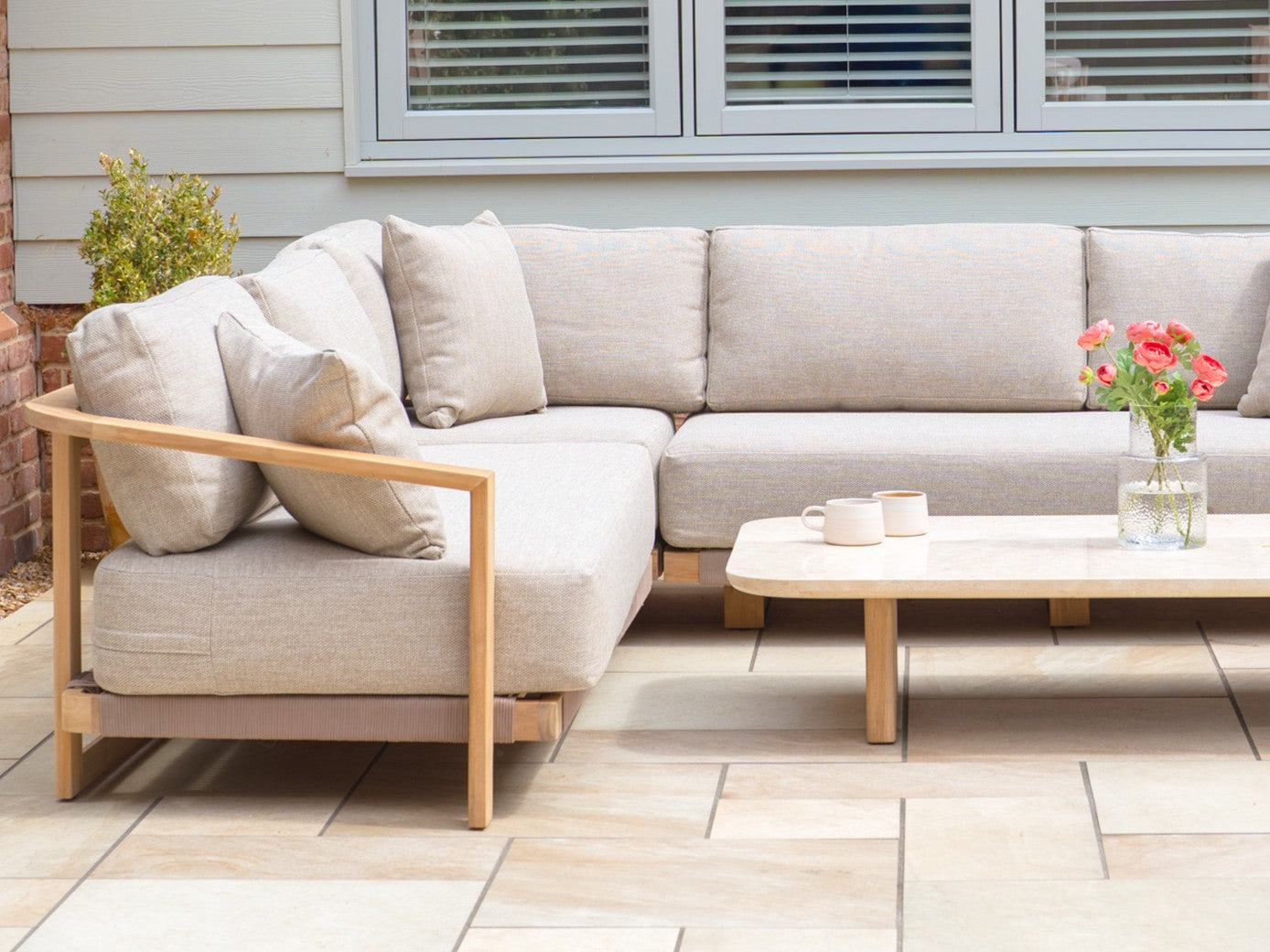
    There’s no easier way to make your pergola feel inviting than with modular seating. The adaptable design lets you easily shift and play around with layouts, whether it’s for a quiet morning coffee or an evening gathering with a large group of friends. Go for deep, cushioned seating that invites you to stretch out, paired with a coffee table for balance. Add soft textiles and warm lighting to create a laid-back space that feels like an outdoor living room.


    4. Mix seating styles with stools, pouffes and accent chairs
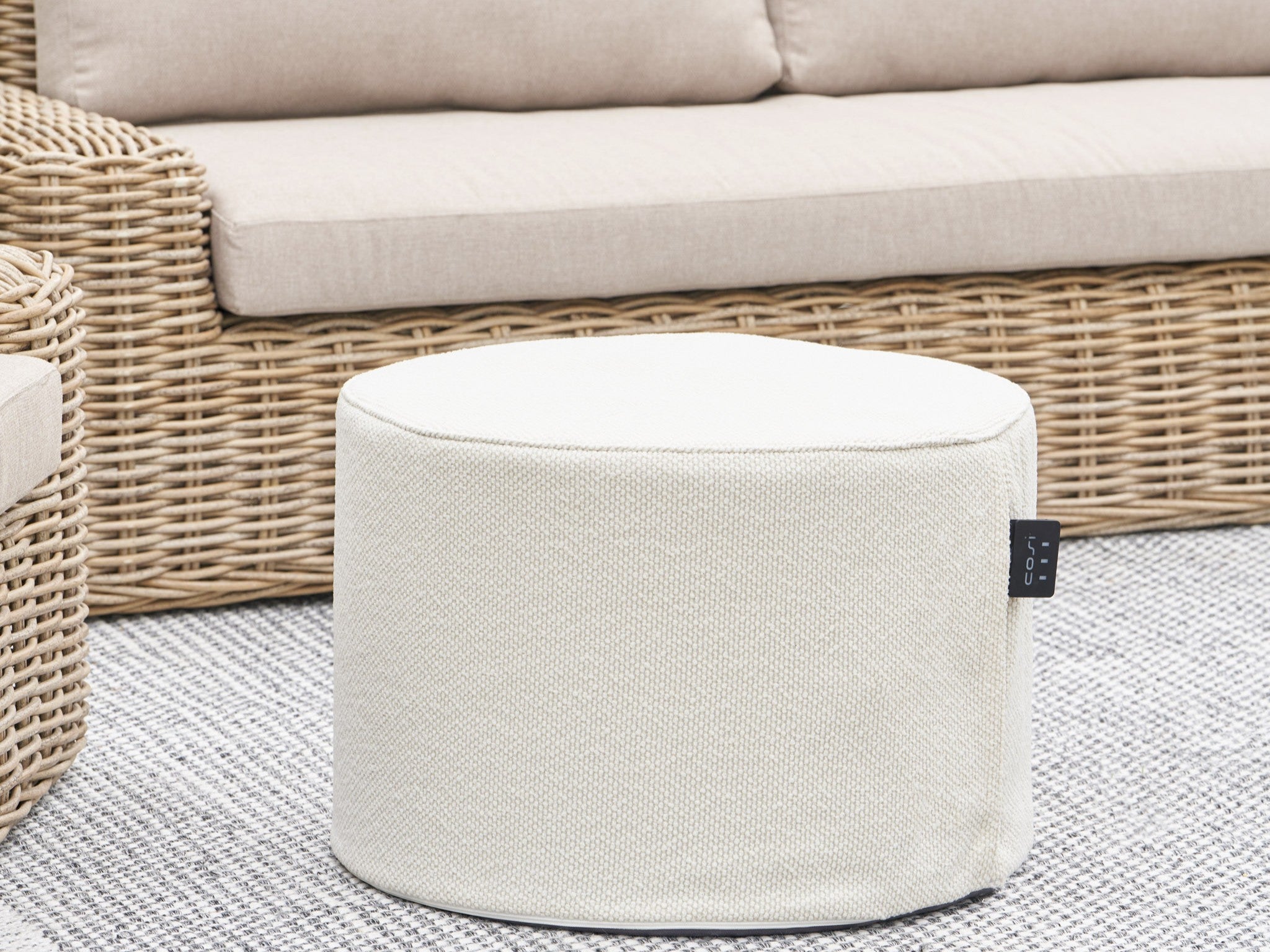
    Cosi – Cosipouf Heated Comfort in Teddy – £249.99


    Combining different types of seating creates a space that feels lived in and full of personality. Add a few stools for flexibility, pouffes for casual lounging, or an accent chair to act as the focal point of the pergola. Guests can choose their favourite spot, while subtle differences in height and shape make the area more visually interesting. 


    5. Incorporate a bench along the pergola edge
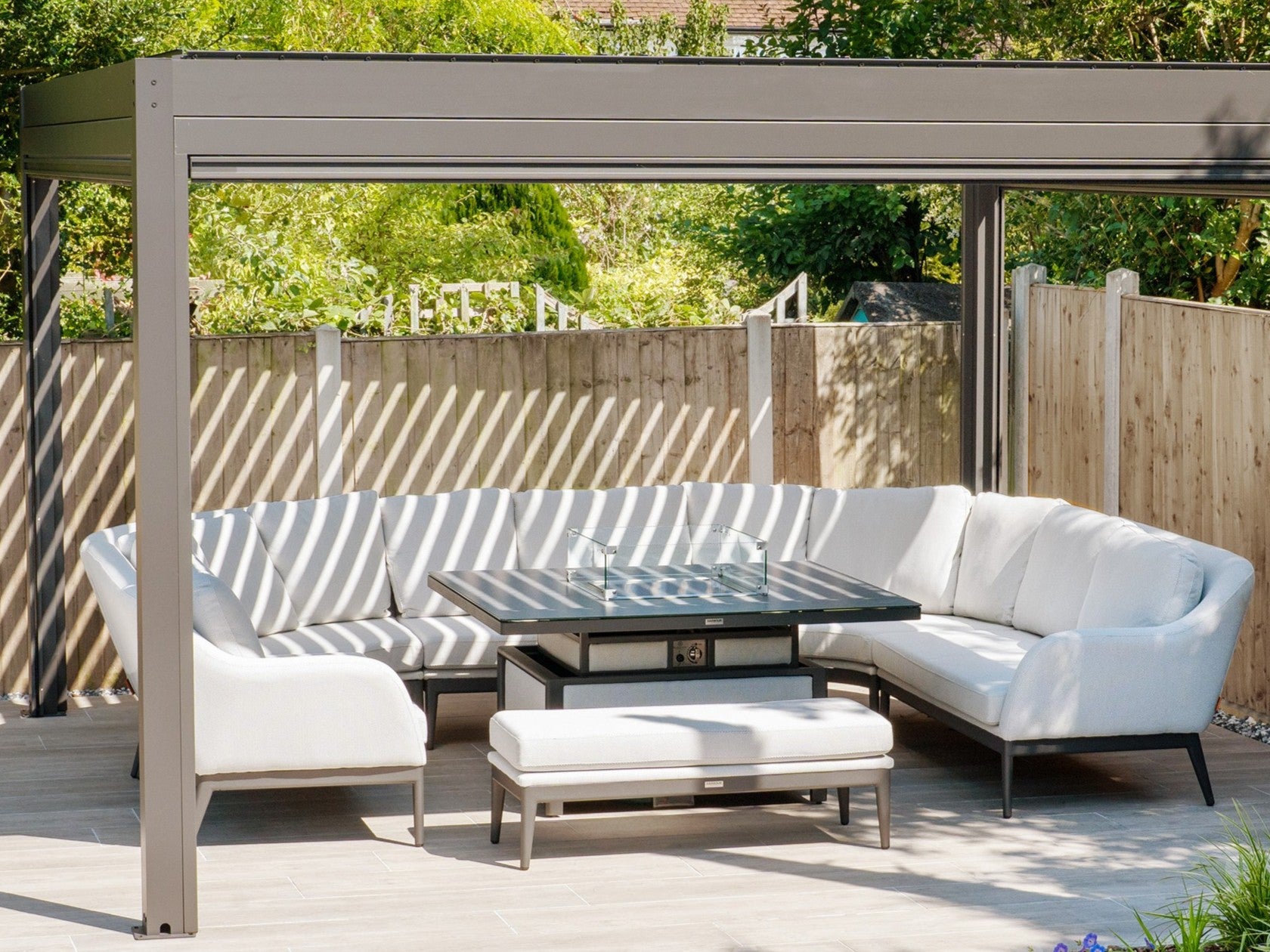
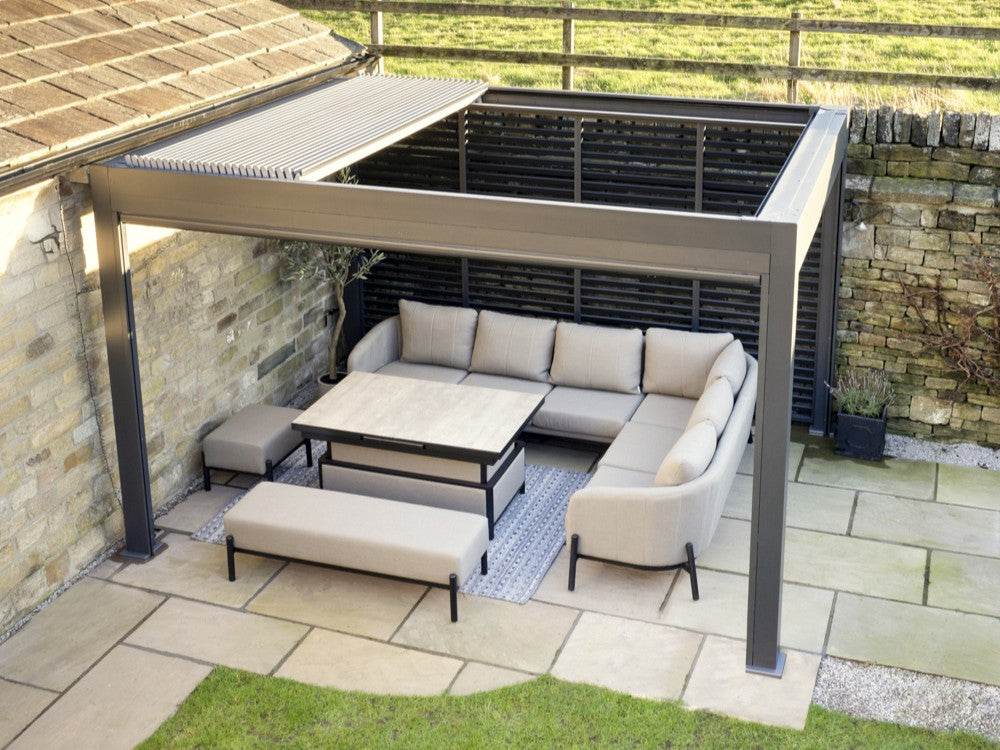
    PergoSTET Plus 4m x 4m Square Pergola with 3 Manual Side Blinds and LED Lighting in Grey – £5,249

    Luna U-Shape Outdoor Fabric Corner Dining with Rising Firepit Table in Oyster Grey – £5,999.00


    A built-in bench creates flow and permanence to a pergola. It defines the space without clutter and offers the perfect spot to pause, chat or stretch out in the sun. Match the material to your frame for a cohesive look, or contrast wood with metals for a modern edge. Finish with soft seat pads and oversized cushions to keep it relaxed without looking like you’re trying too hard. 


    6. Make it seasonal with throws, outdoor cushions and blankets
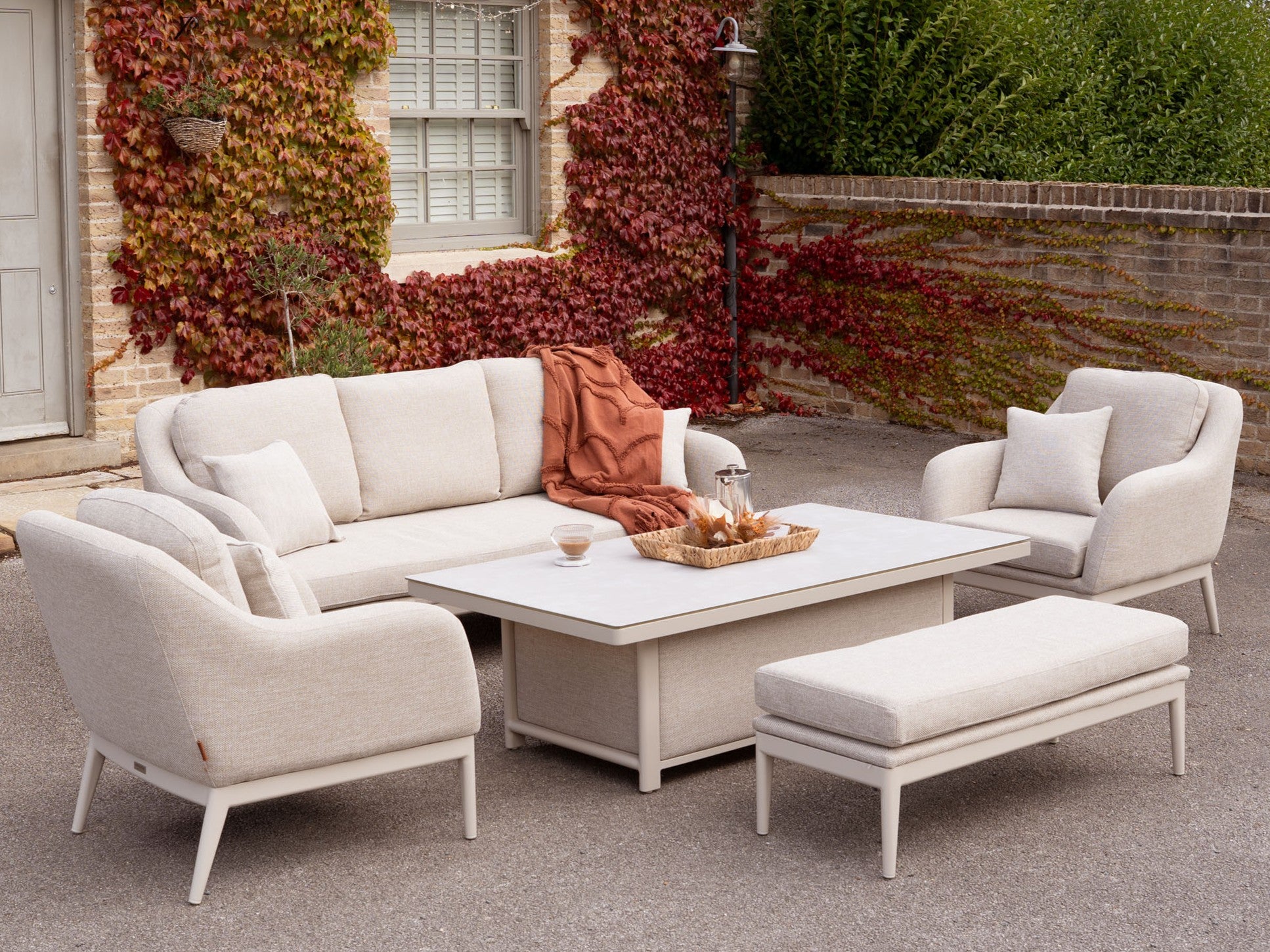
    Luna 3 Seat Outdoor Fabric Sofa Set with Rising Table in Fawn – £3,649.00


    Whether it’s peak autumn-winter or a chilly summer night, soft layers provide instant comfort. Swap light linen cushions for thicker knits or fleece blankets once the weather cools, and mix textures for a relaxed, lived-in look. Neutral tones create a calm backdrop, while rust or sage accents echo the changing seasons. If you really want to treat yourself, invest in some heated cushions so even when the first frost settles on the lawn, your seat stays perfectly snug. 


    7. Integrate a garden bench for a streamlined look
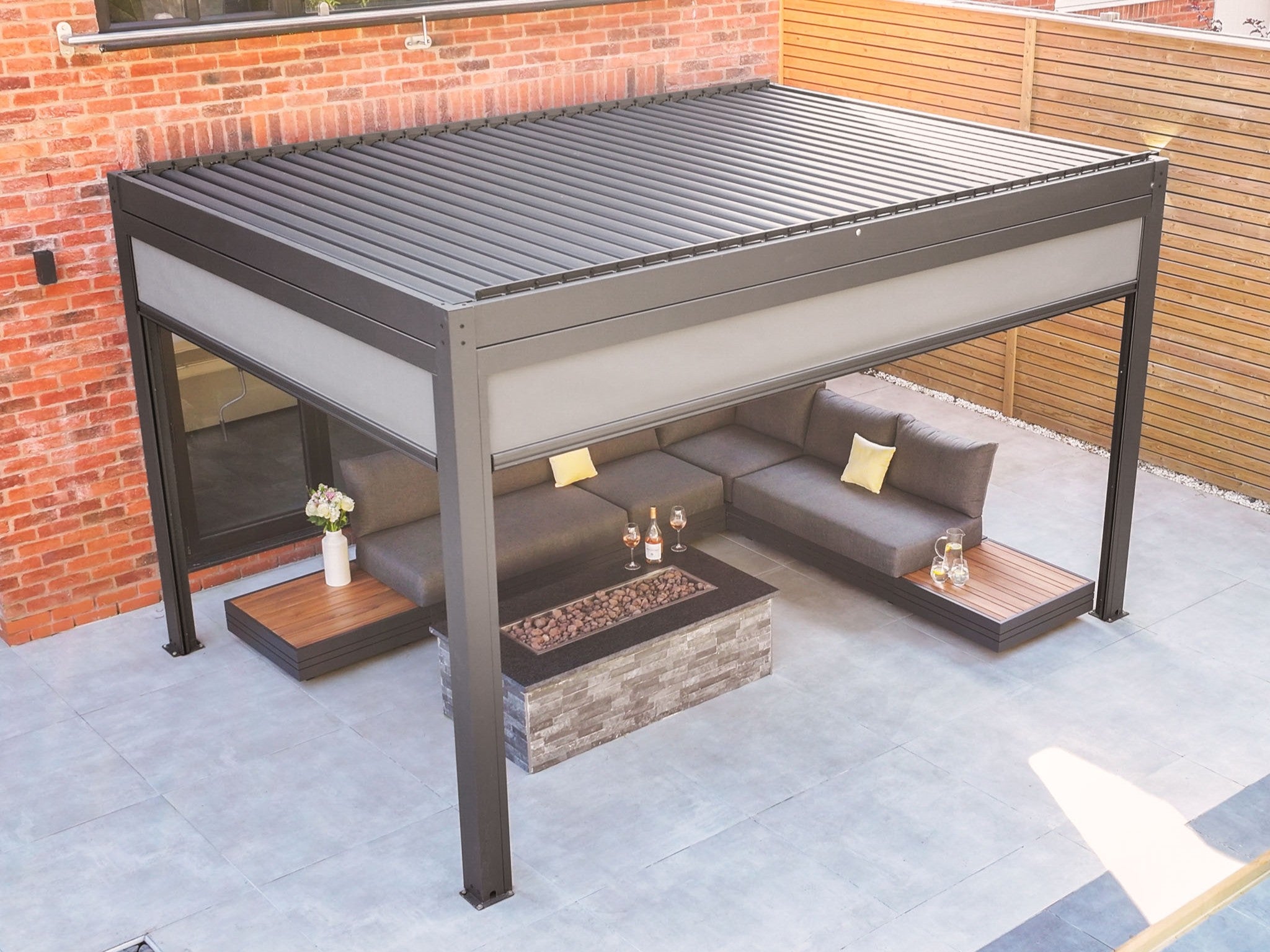
    PergoSTET Plus 3m x 4m Rectangular Pergola with 3 Manual Side Blinds and LED Lighting in Grey – £3,999.00


    Built-in or freestanding benches offer a clean, understated way to frame a pergola. They fit neatly against walls or along the frame’s edges, leaving plenty of room for movement. A great setup for smaller gardens, a simple wooden or metal design can be softened with seat pads and cushions, providing comfort without any of the clutter.


    8. Add seating around a fire pit as a central anchor
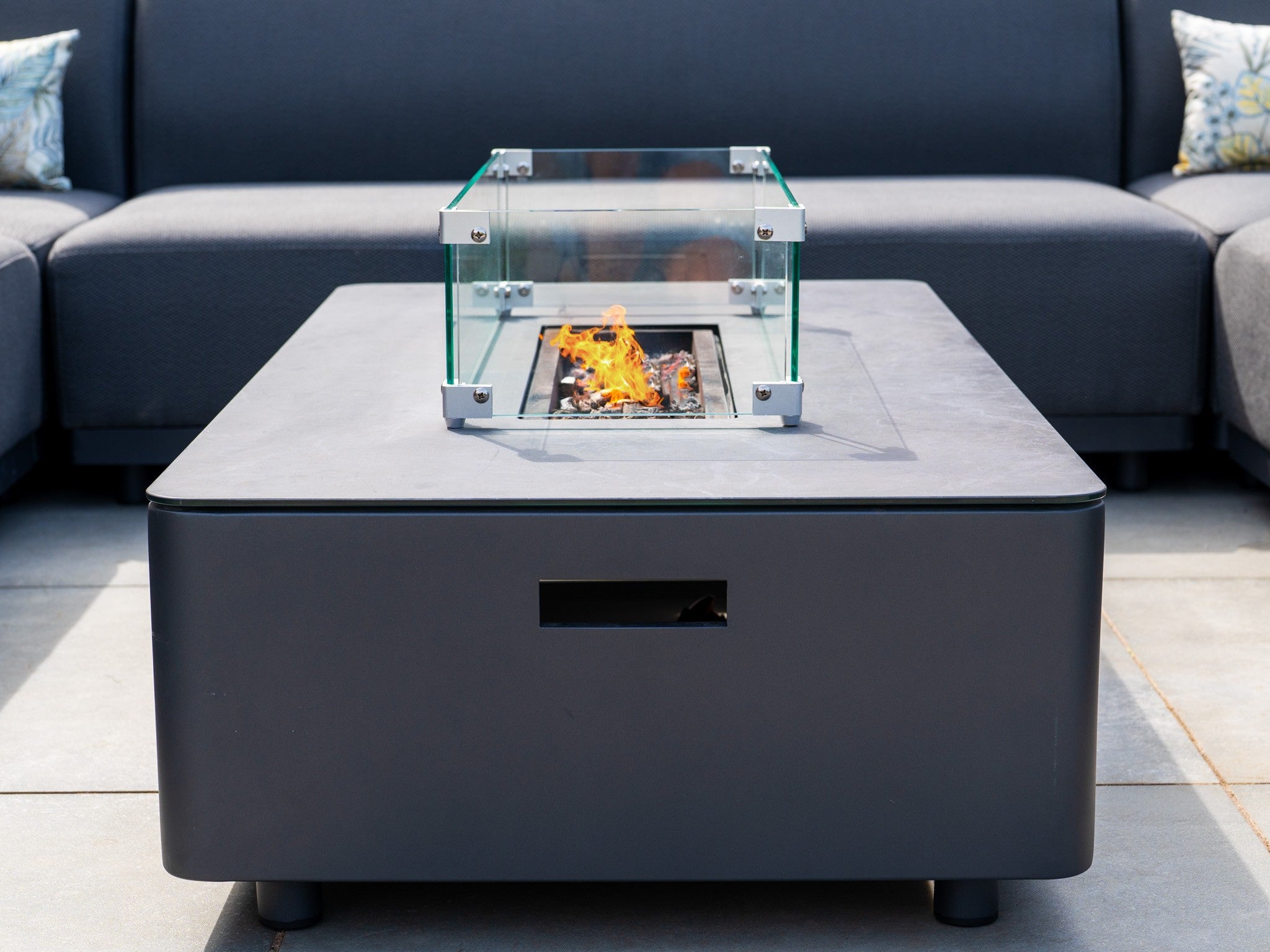
    Luna U-Shape Outdoor Fabric Sofa Set with Firepit Coffee Table in Grey – £5,749.00


    Few additions make as much head-turning impact as a fire pit. It draws people in instantly, becoming the heart of the space where stories, laughter and late-night moments unfold. Surround it with generous armchairs or a curved sofa layered in soft cushions, and keep a side table nearby for drinks or flickering lanterns. The gentle glow sets the mood for evenings that last long after sunset.


    8. Create a casual dining space under your pergola
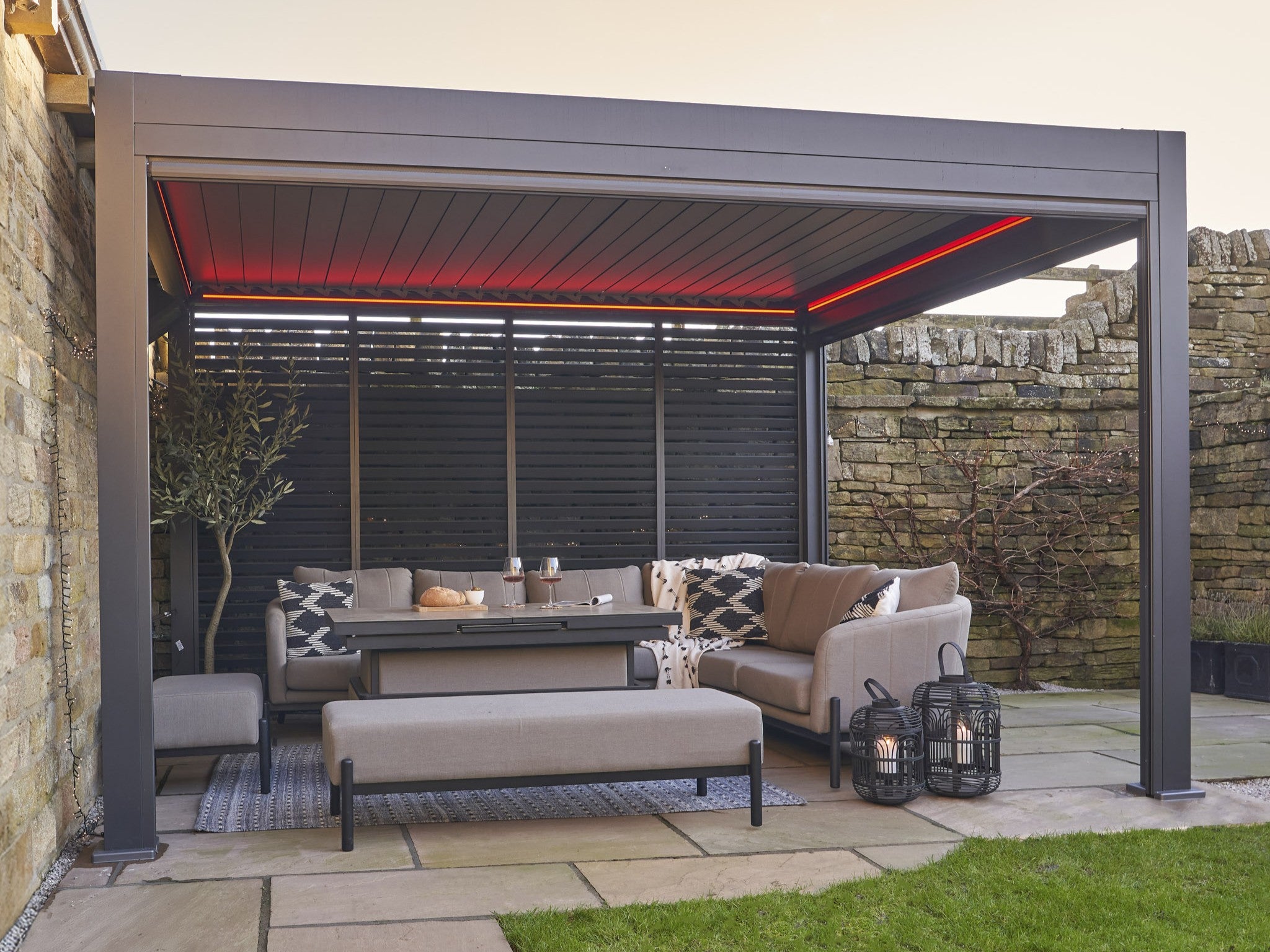
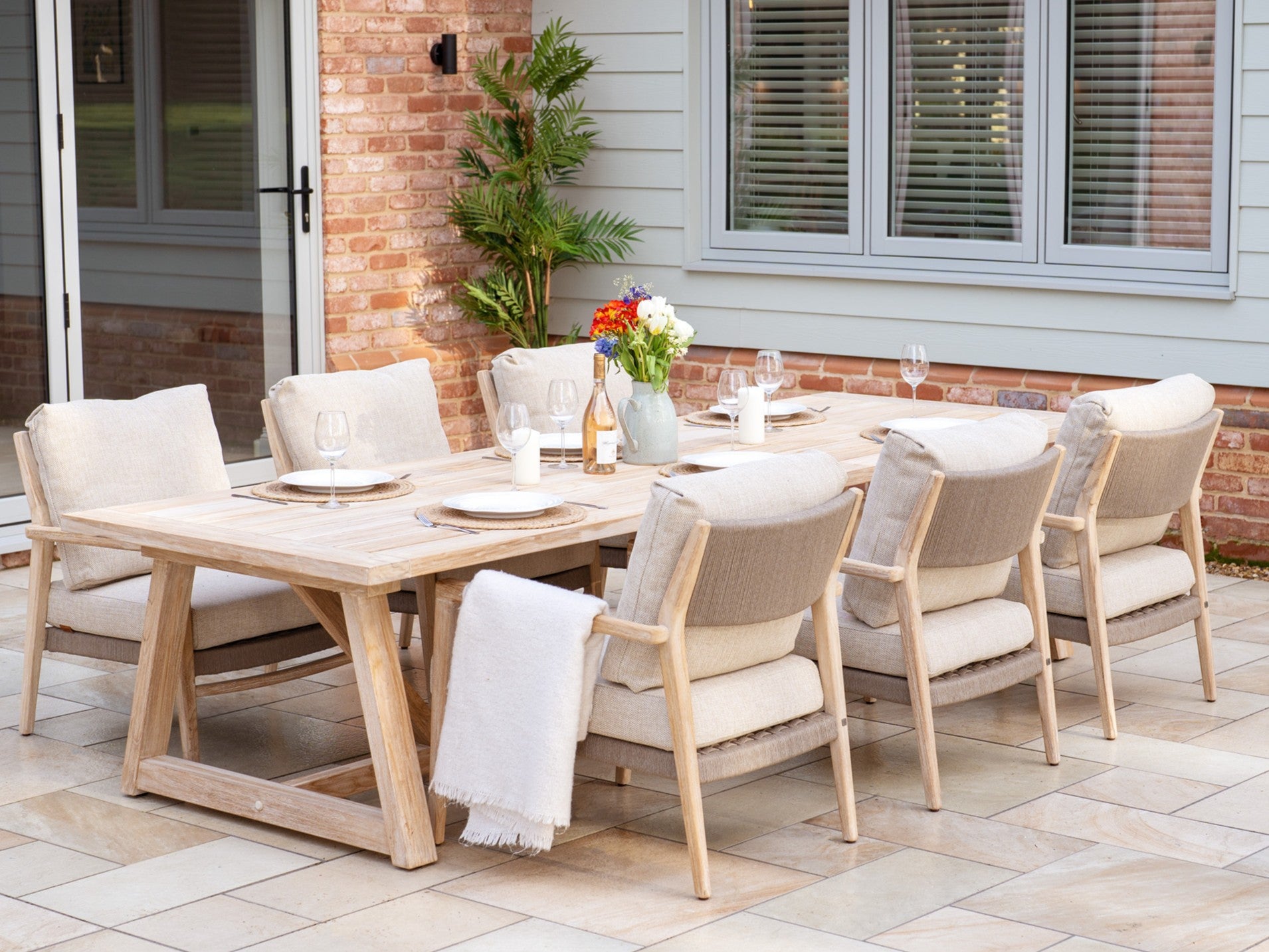
    Abierto Motorised 3m x 4m Frame Only Pergola with Retractable Roof and LED Lighting in Grey – £5,549


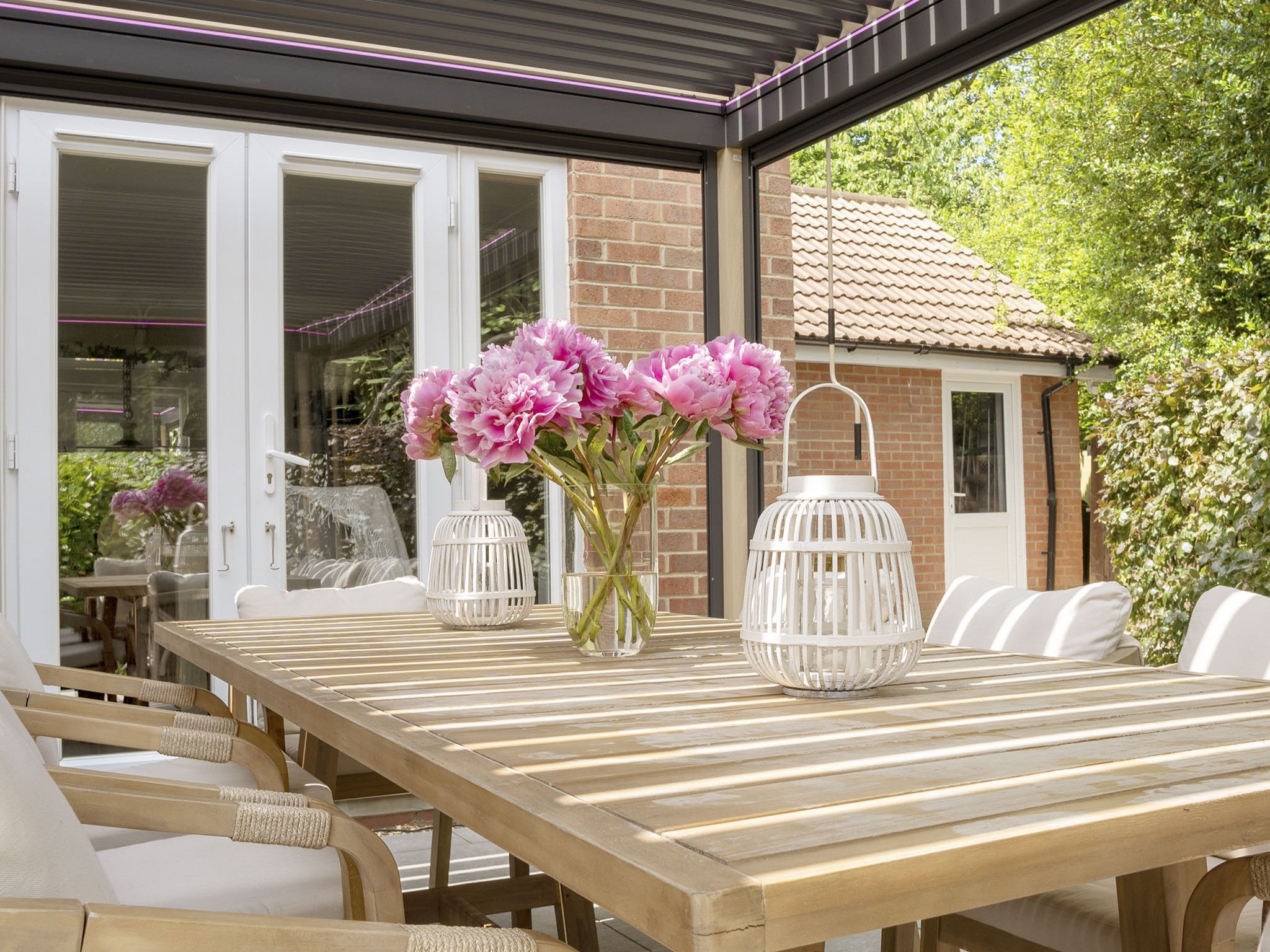
    A dining set gives your pergola a clear purpose and instantly makes outdoor meals feel special. Choose a sturdy table with comfortable, weatherproof chairs so you can enjoy long lunches without heading inside. Layer the table with neutral linens or small potted herbs to add softness and a natural touch. 


    9. Use casual low seating like beanbags or floor cushions

    Outdoor Mighty B-Bag in Aqua – £125.00


    Low-level seating keeps the atmosphere relaxed and playful. Scatter oversized beanbags or floor cushions for a laid-back setup that both adults and little ones love alike. Add a few small side tables for drinks or lanterns, and finish with layered rugs to define the space and add texture. It’s informal but effortlessly stylish.


    10. Try a statement sofa as a focal point
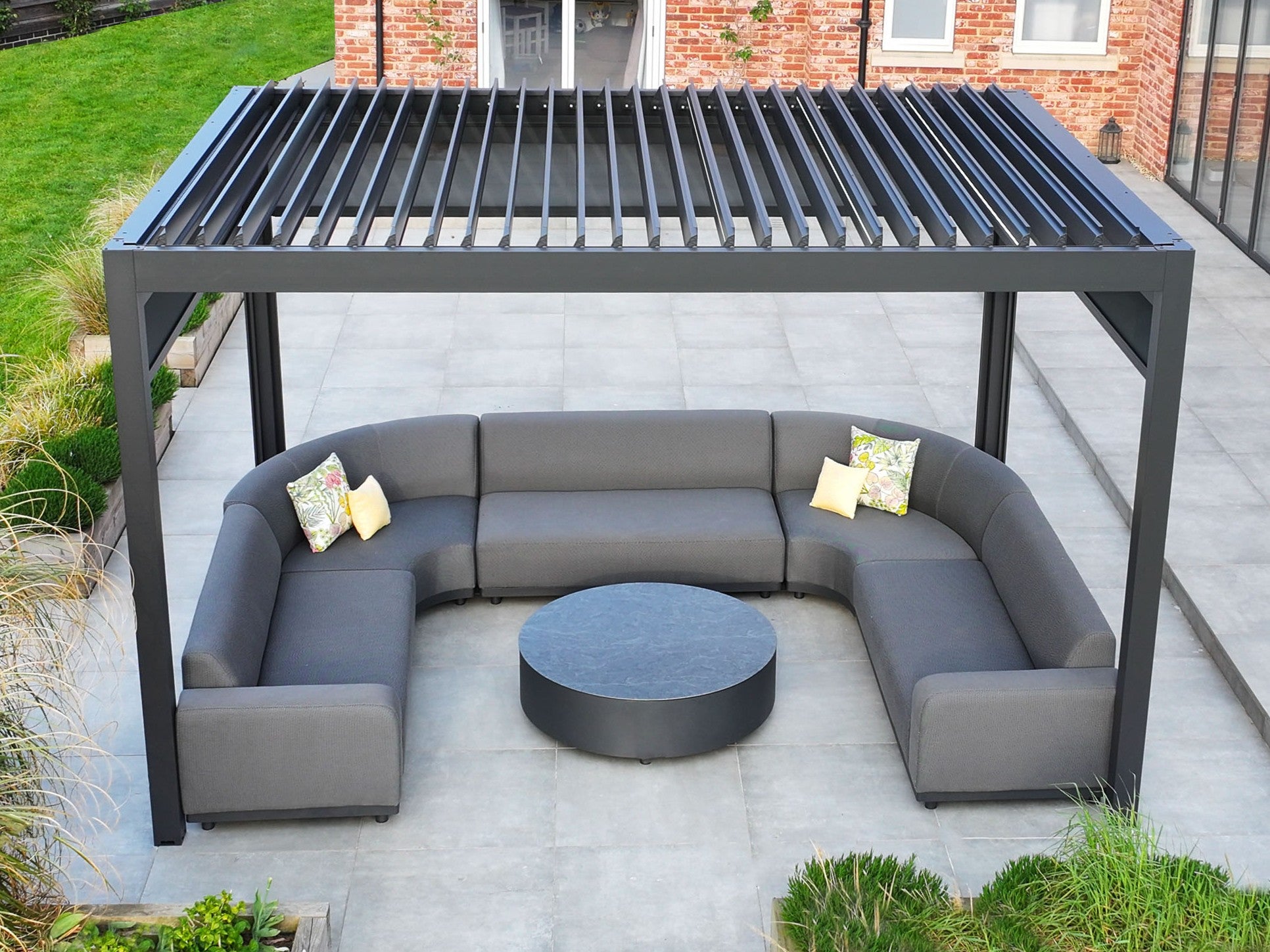
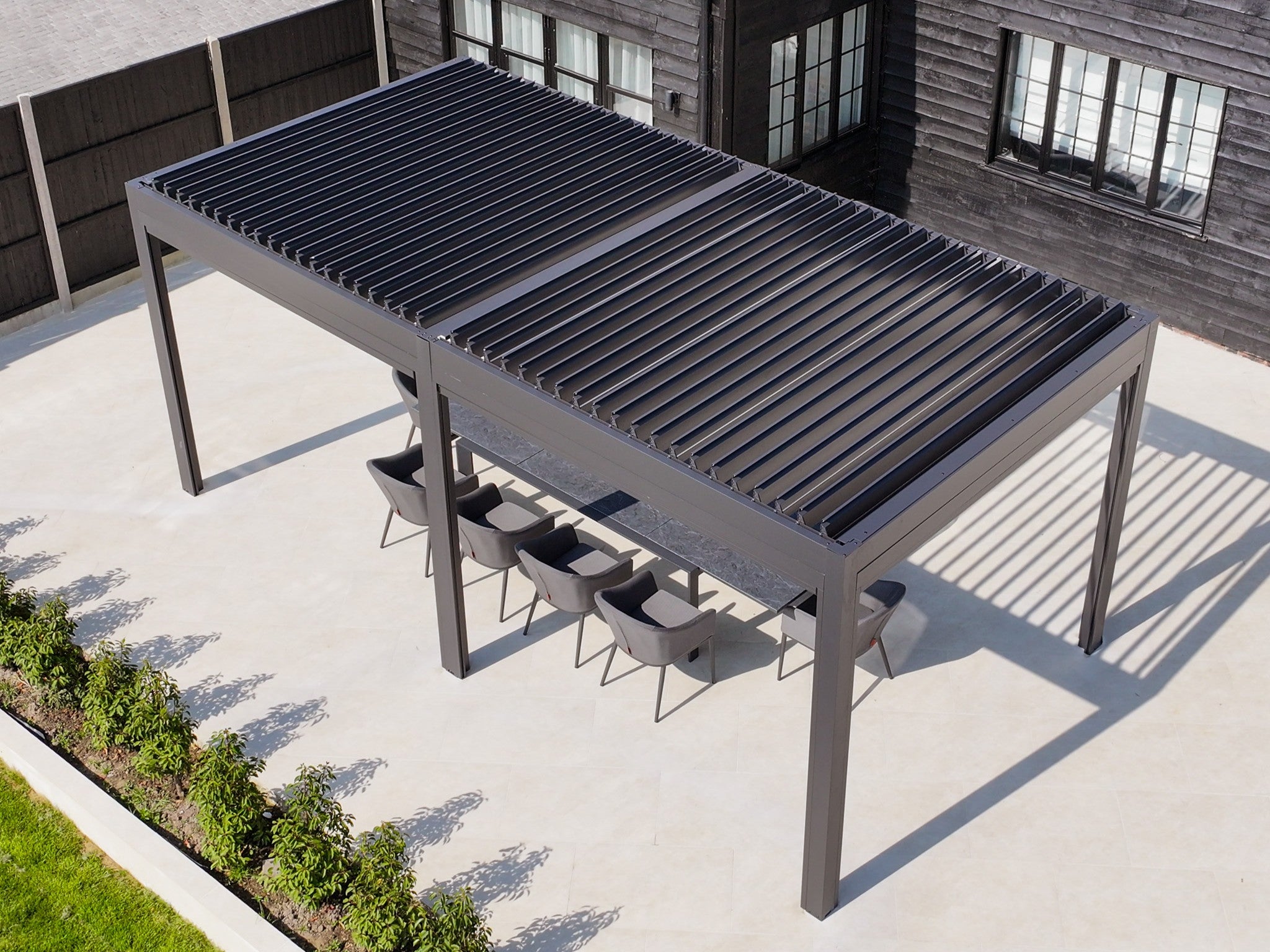
    PergoSTET Deluxe 3m x 4m Rectangular Pergola with Motorised LED Louvres and 3 Manual Side Blinds in Grey – £5,150.00

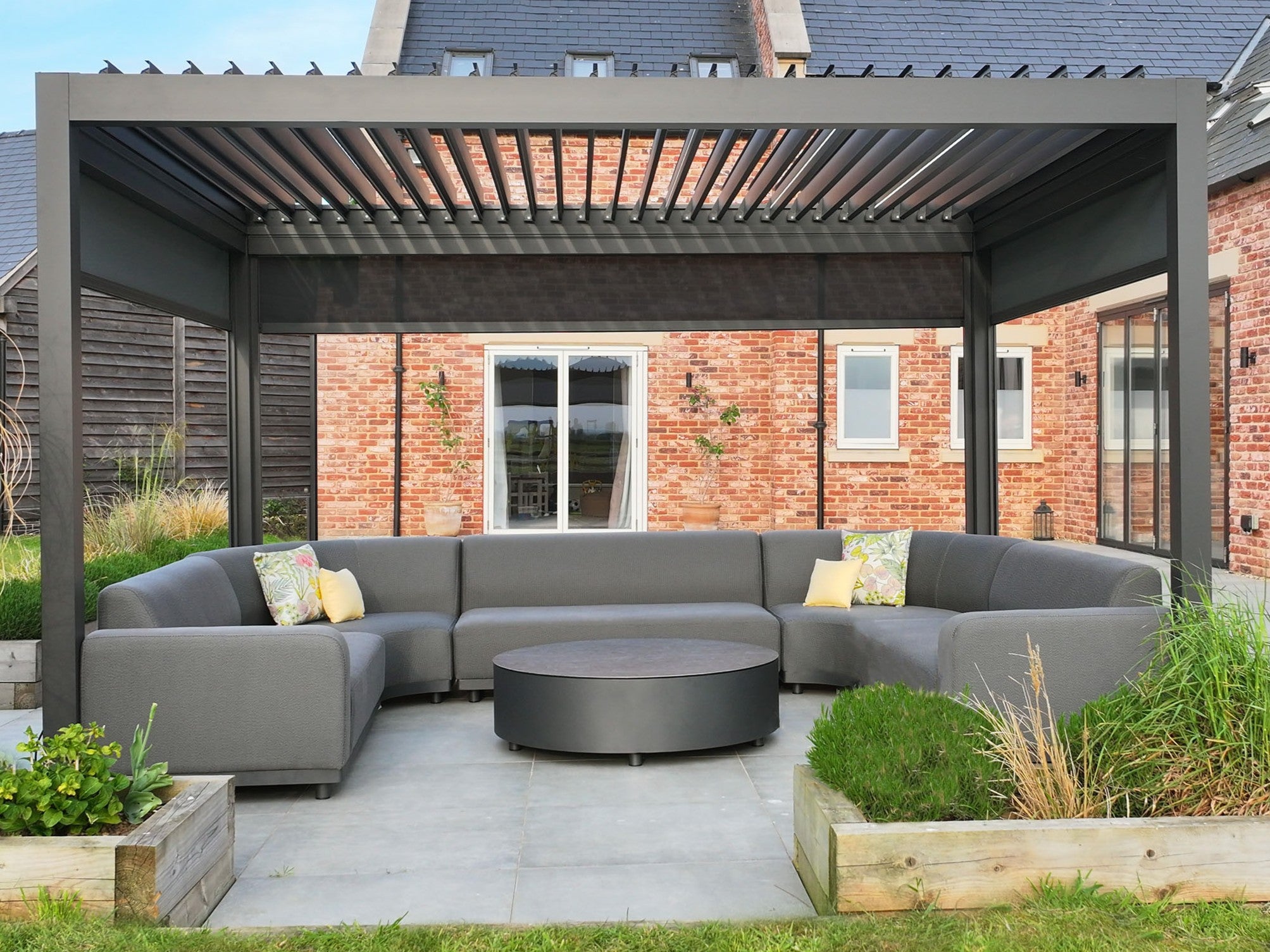
    Luna U-Shape Outdoor Fabric Curved Corner Group with Round Coffee Table in Grey – £5,499.00


    Every outdoor space deserves a standout piece that catches the eye. A sculptural lounger, egg chair or extra-large curved sofa can give your pergola character without taking anything away from the design. Keep your surrounding pieces simple so the statement seat feels deliberate, then layer it with a soft throw or textured cushion that ties in with your colour palette.  


    11. Add a side table for convenience
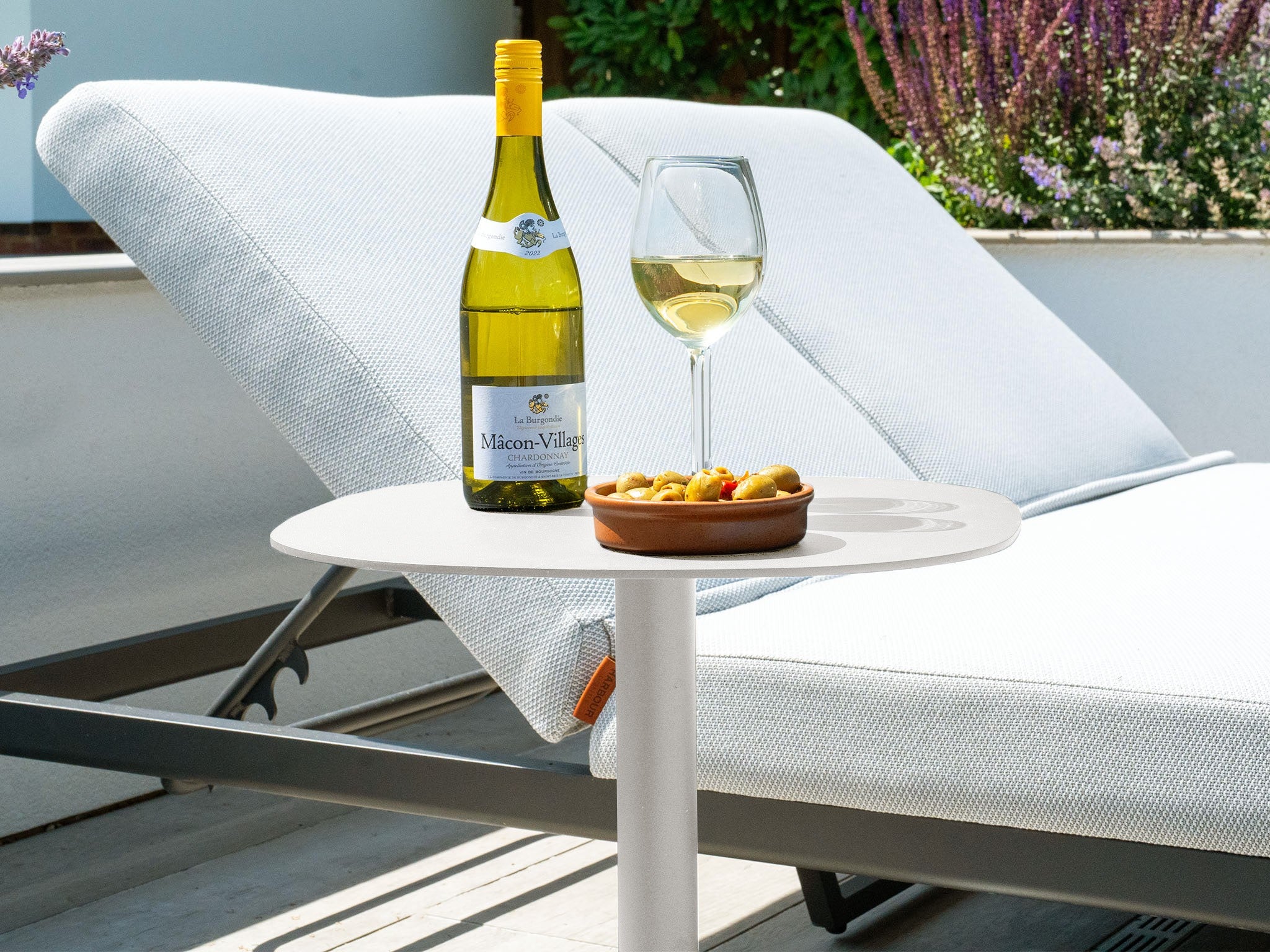
    Luna Side Table in Latte – 45cm x 45cm – £199.00


    A simple side table might not steal the spotlight, but it sure does make outdoor living a whole lot easier. Place one beside a sofa or armchair to hold drinks, books or candles for evening ambience. Go for materials that complement your seating, like wood or powder-coated aluminium to keep the space practical while looking beautifully considered.


    12. Explore space-saving pergola seating ideas for small spaces
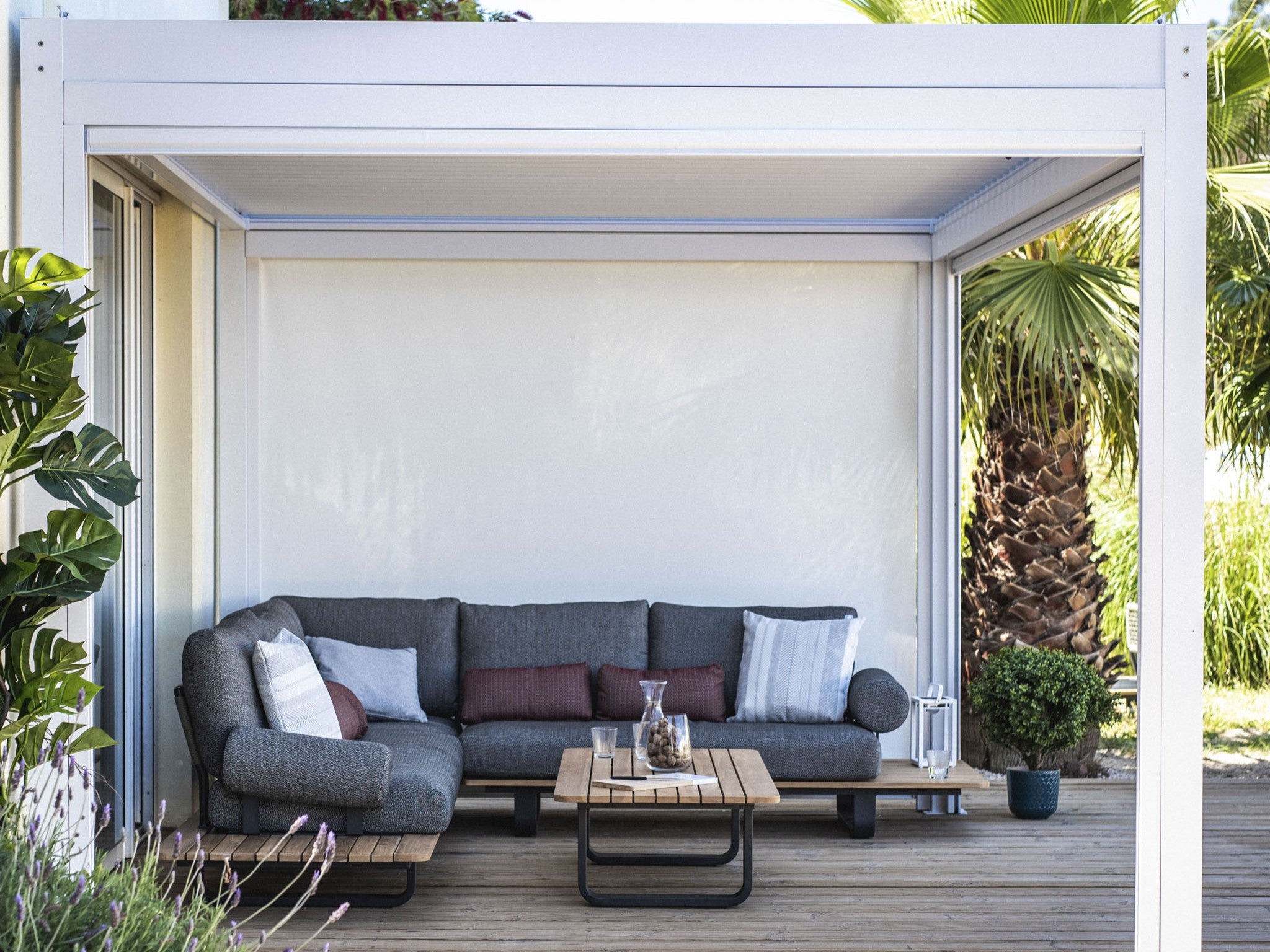
    PergoSTET Plus 3m x 3m Square Pergola with 3 Manual Side Blinds and LED Lighting in White – £3,599.00

    Bay Corner Group Set with 4 Waist Pillows Teak Table in Olive Green – £2,599.00


    Compact gardens can still have beautiful, functional pergolas with the right approach. Modular seating that fits neatly into corners, while benches with hidden storage to keep clutter out of sight. Foldable tables or nesting side tables make the most of limited space while keeping the area light and open. Thoughtful layouts prove that even the smallest pergola can feel spacious and comfortable.


    13. Relax on sun loungers under your pergola
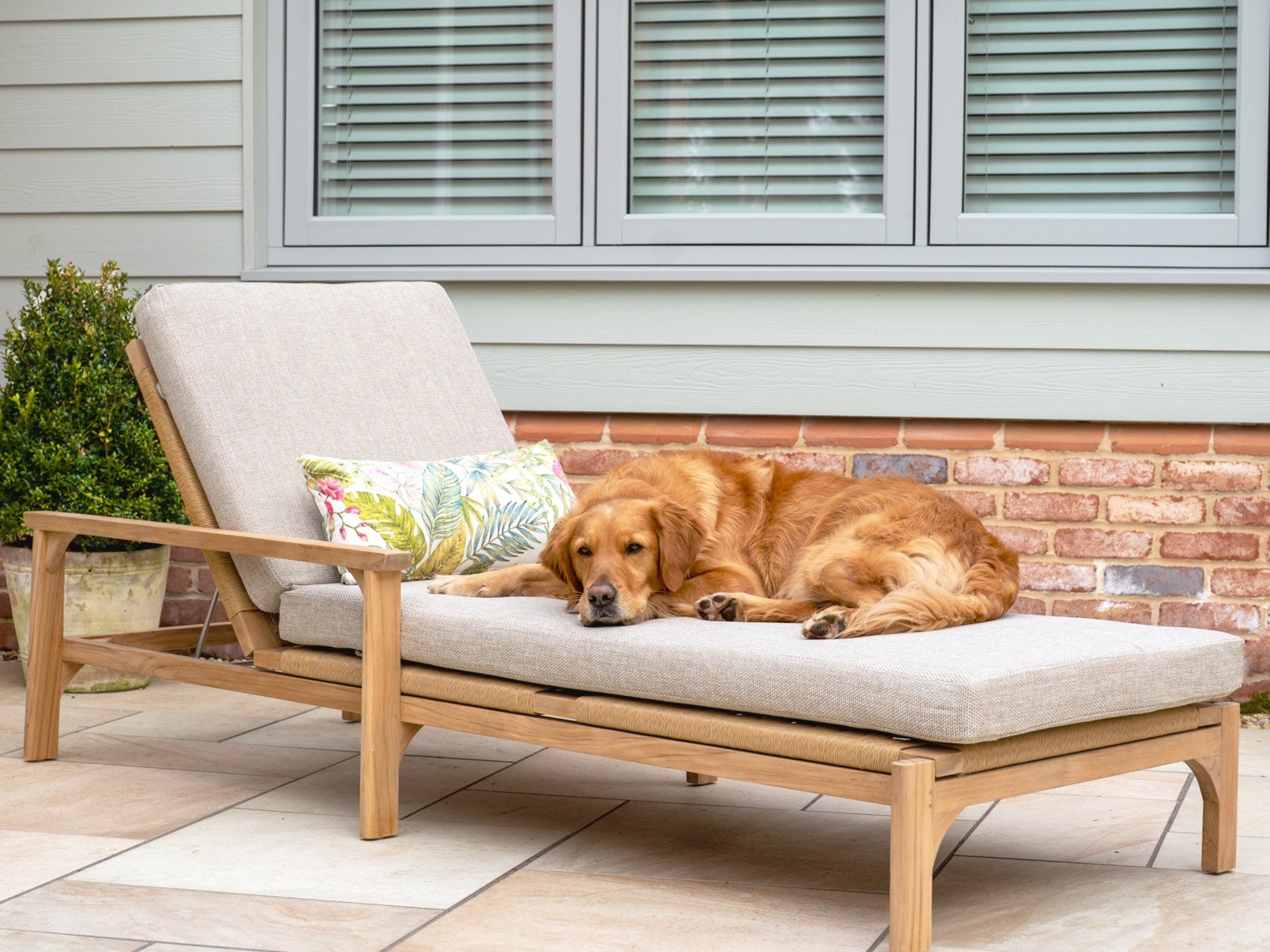
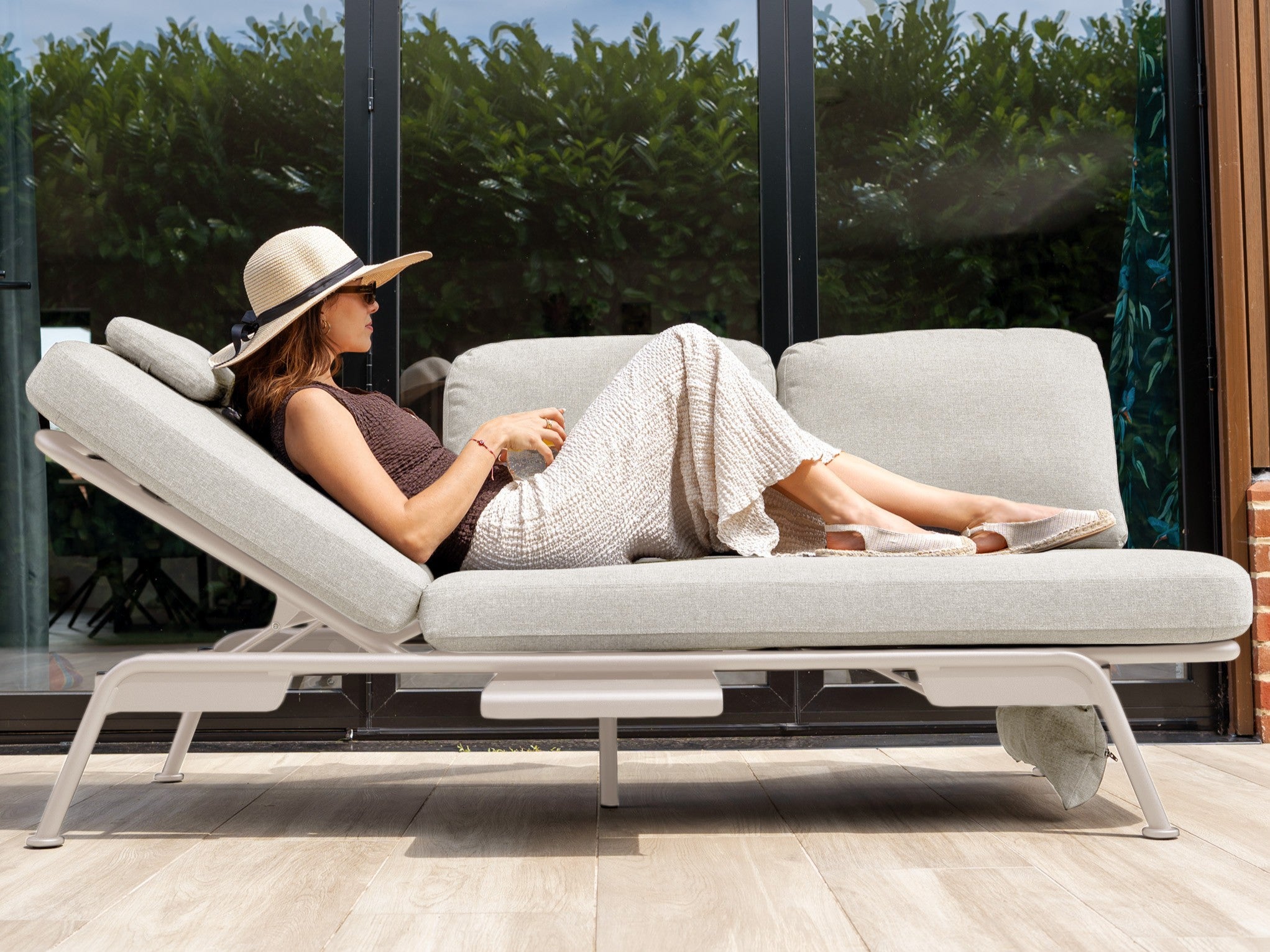
    Nola Sunlounger in Fawn – £999.00


    Can’t jet off to tropical climates right now? Bring a touch of resort living to your own garden instead. Few things feel more luxurious than reclining beneath a pergola on a warm afternoon. Adjustable sun loungers create a peaceful spot to read and enjoy the quiet. Add soft cushions and a small side table for your drink or favourite book, and you’ve got all the comfort of a getaway without leaving home.


    14. Socialise at a pergola bar with stools
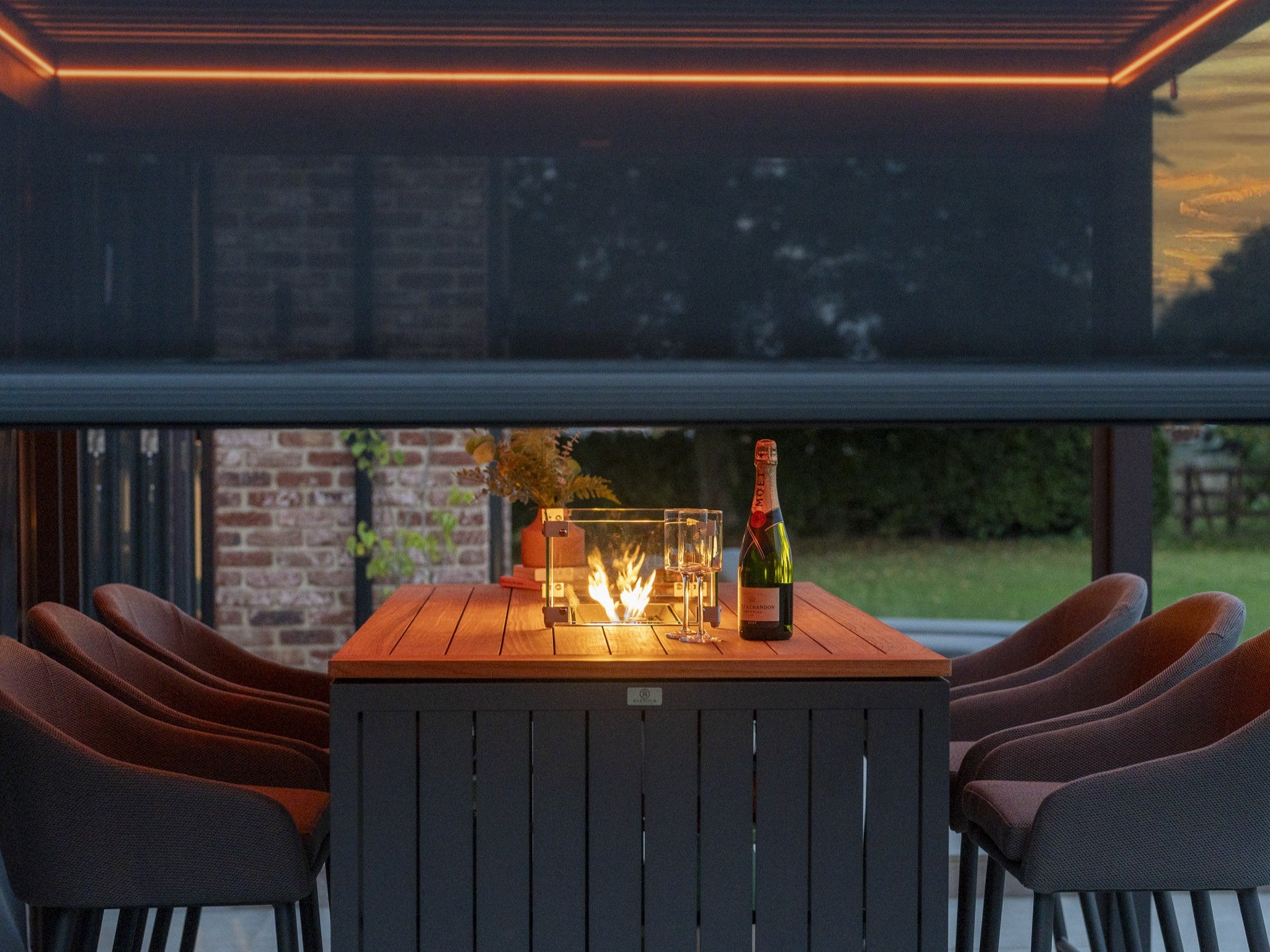
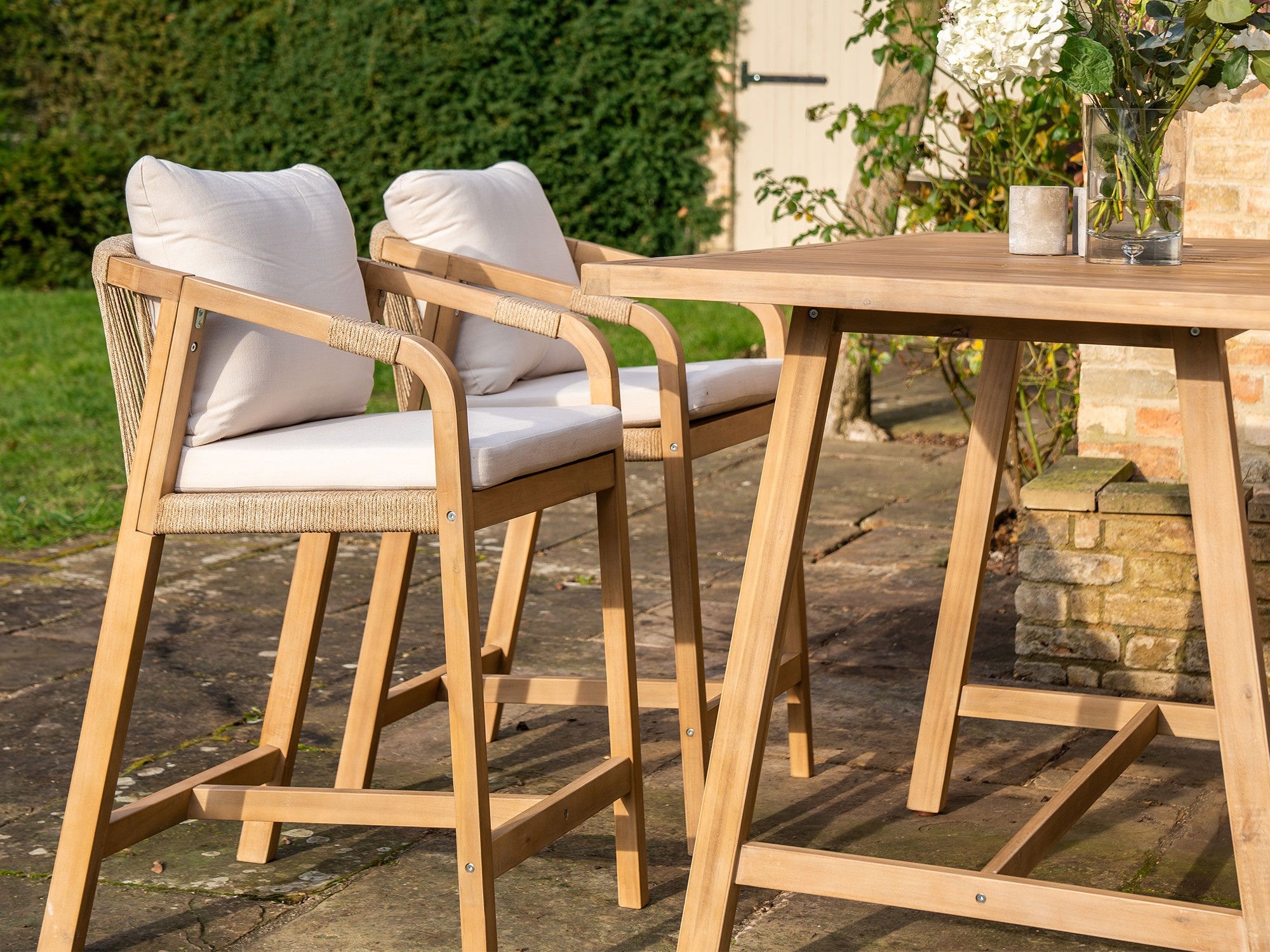
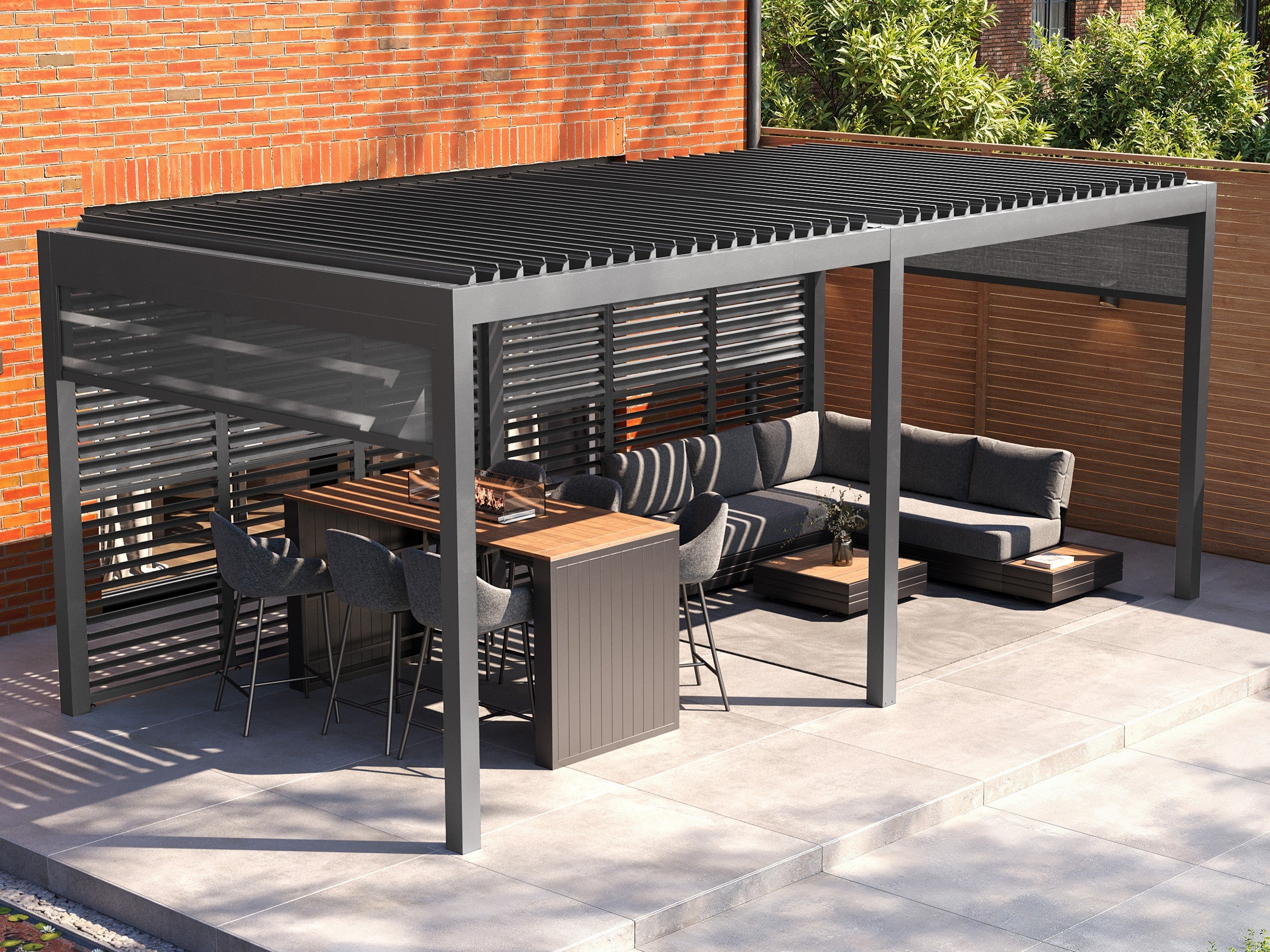
    Luna 6 Seat Outdoor Fabric Teak Firepit Bar Set in Grey – £3,999.00


    Turn one side of the pergola into a bar area for a spot guests naturally gravitate toward. A slim stone counter or high wooden table paired with bar stools sets the tone for catching up over a drink or enjoying a quick bite from a charcuterie board. Choose stools with weather-resistant frames and soft cushions for comfort, and finish the look with pendant lights or hanging greenery to give it a relaxed, after-hours feel.


    15. Indulge in comfort with luxurious daybeds
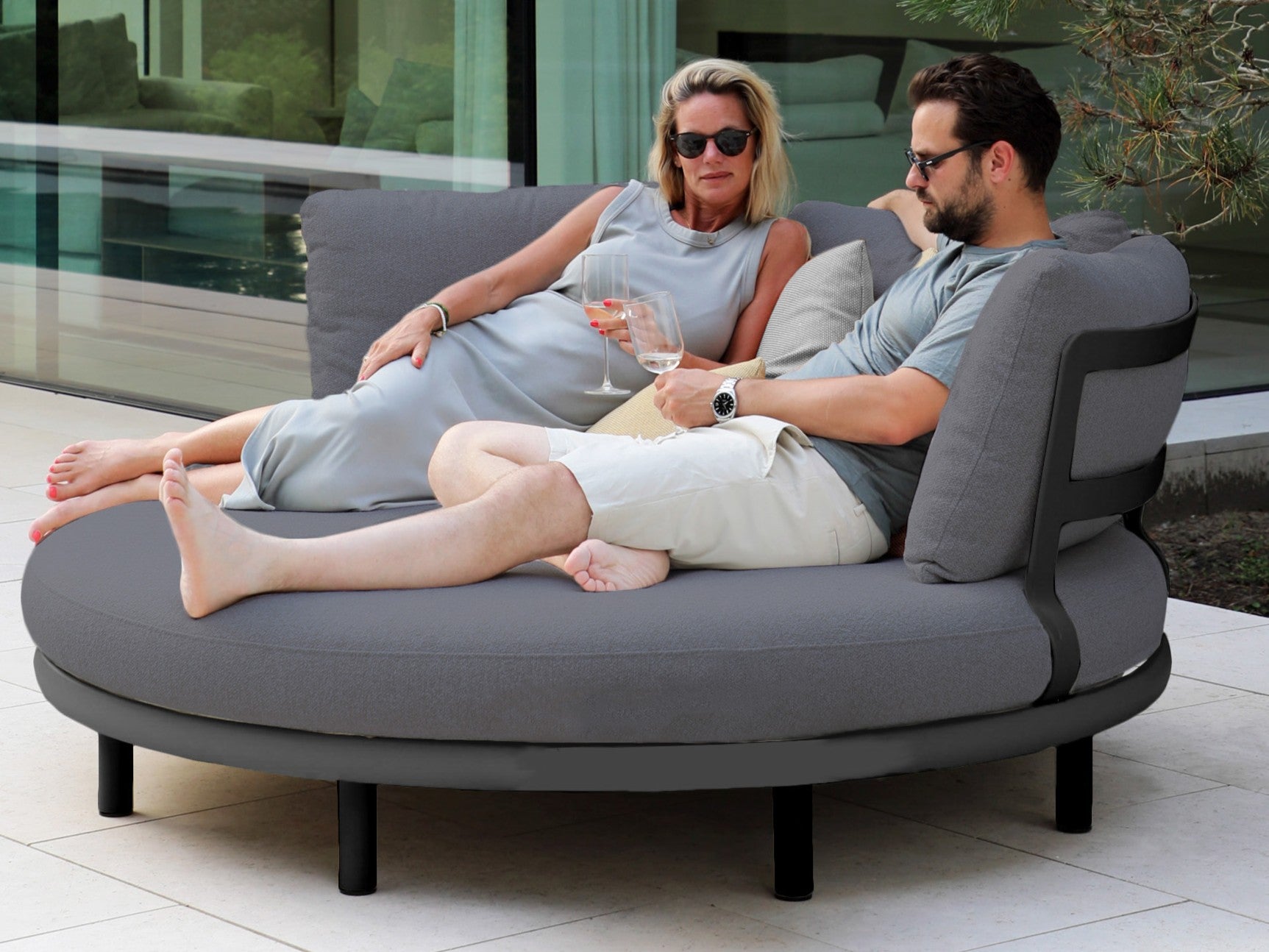
    Selene Daybed in Charcoal – £1,899.00


    And continuing on the same theme, take relaxation a step further with an indulgent daybed. Generous cushioning and weather-resistant fabrics make it the ultimate spot to stretch out and drift off for a while. Layer a light throw, sink back into the cushions and let the outside world fade for a while.


    16. Add lounge sets to create a laid-back, stylish outdoor retreat

    Sorrento Lounge Chair with Ottoman in Taupe – £749.00


    Think of your lounge set as the heart of slow afternoons and unhurried evenings. It’s the perfect spot to invite a friend round for coffee and cake or to share an easy afternoon tea in the open air. Opt for lounge pieces that channel the coastal, Nancy Meyers aesthetic with soft linens, natural weaves and sun-washed tones. Layering these textures creates a space that feels breezy, lived-in and quietly luxurious, made for long chats and slow afternoons.


    17. Use bistro sets for a compact, stylish seating option
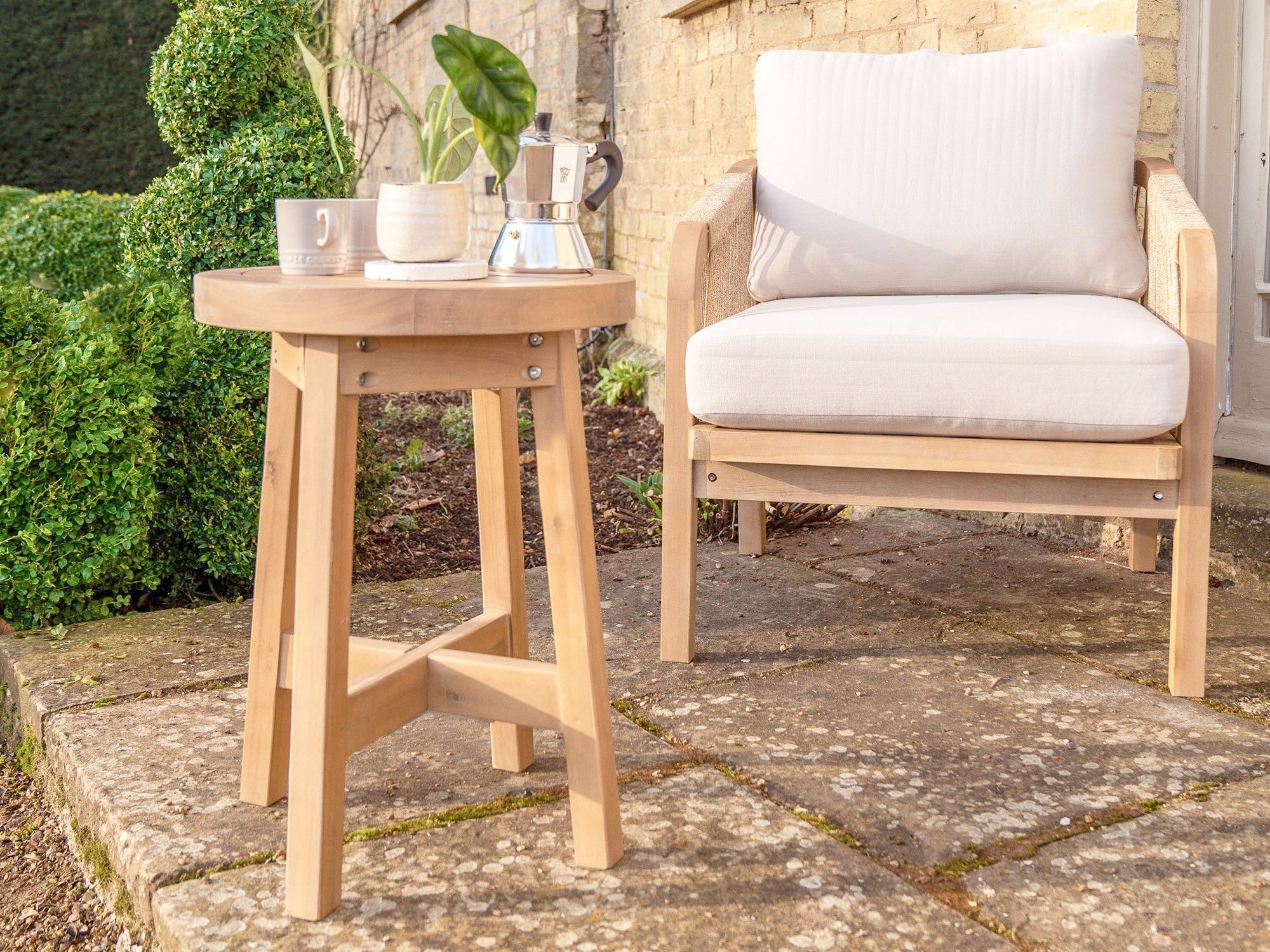
    Quay Lounge Set In Linen – £849.00


    For smaller pergolas or tucked-away corners, a bistro upgrades the space with instant charm. A table for two creates a perfect spot for morning coffee or evening drinks without taking up too much floor space. Lightweight designs are easy to move, and décor finishes, like a small plant or lantern, add character and a sense of intimacy that makes the most of every inch.


    How to make your pergola seating work year-round

    A well-designed pergola doesn’t have to be limited to summer. With a few thoughtful additions, your seating area can stay warm, comfortable and inviting through every season.


    Add heating: Freestanding or wall-mounted heaters extend your time outdoors when temperatures drop. For added impact, fire pits or lantern-style heaters add warmth and atmosphere in spades during cooler evenings.

    Use weatherproof materials: Choose garden furniture made from aluminium, teak or outdoor fabric that resists rain and fading. Weather-resistant cushions can be left out longer and still look their best.

    Include covers or canopies: Retractable roofs, drop sides or light curtains provide shade in summer and shelter in drizzle, while making the area feel more private and enclosed.

    Layer lighting: Combine overhead string lights with floor lanterns or table lamps to achieve perfect functionality and ambience.

    Add windbreaks: Tall planters, bamboo screens or outdoor curtains block cool breezes and define the space. They also add texture and height around your seating area.

    Refresh with textiles: Swap lightweight linens for thicker throws and textured cushions in autumn and winter. Fabrics in deeper tones help create a cosy, seasonal feel.


    Design your ideal pergola seating setup

    The best pergola seating turns time outdoors into a luxury of its own. Layer soft fabrics, choose materials that weather beautifully and add gentle lighting to keep the atmosphere glowing after sunset. Whether your style is relaxed and rustic or clean and modern, thoughtful details make the space your own. Explore Harbour Lifestyle’s pergola and furniture collections to discover pieces that elevate your outdoor space with lasting style and comfort. 

    For even more inspiration beyond the pergola, take a look at our 29 Stylish Garden Seating Ideas for Your Perfect Summer and start planning a garden that feels ready for every season.


    FAQs

    How do you make a pergola seating area cosy?

    Layer soft outdoor cushions, throws and rugs for warmth and texture. Add lanterns or string lights for ambience, and use planters or curtains to create a sense of privacy and enclosure. Warm lighting and textiles instantly make any pergola feel inviting year-round.


    What is the best furniture for under a pergola?

    Weather-resistant furniture made from aluminium, teak or all-weather fabric works best. Choose cushioned lounge sets for relaxation or dining sets for entertaining. For smaller pergolas, modular or folding furniture saves space while keeping comfort and style.


    How do you make pergola seating work all year round?

    Add heaters or a fire pit for warmth, fit drop sides or screens for shelter, and use waterproof covers when not in use. Swap light summer cushions for thicker, textured fabrics in cooler months to keep the space comfortable in every season.


    What are the best pergola seating ideas for small gardens?

    Opt for a compact corner sofa, built-in bench or bistro set to maximise space. Foldable tables and modular pieces create flexibility, while vertical planters and light colours keep the area open and airy.


    Can you put a sofa under a pergola?

    Yes. Choose a weather-rated outdoor sofa with quick-dry cushions and UV-resistant fabric. Add a rug and side table for comfort and practicality. If the pergola is open, use covers or retractable panels to protect the sofa from rain.


    How do you choose the right layout for pergola seating?

    Plan around how you’ll use the space. Dining sets work best centrally, while corner sofas or curved layouts encourage lounging. Leave enough room to move comfortably and align furniture with lighting or focal points like a fire pit or garden view.


    What accessories make pergola seating more comfortable?

    Add outdoor rugs, scatter cushions, side tables and soft lighting to elevate comfort and style. Throws, planters and layered textures help create a warm, finished look that feels inviting in every season.
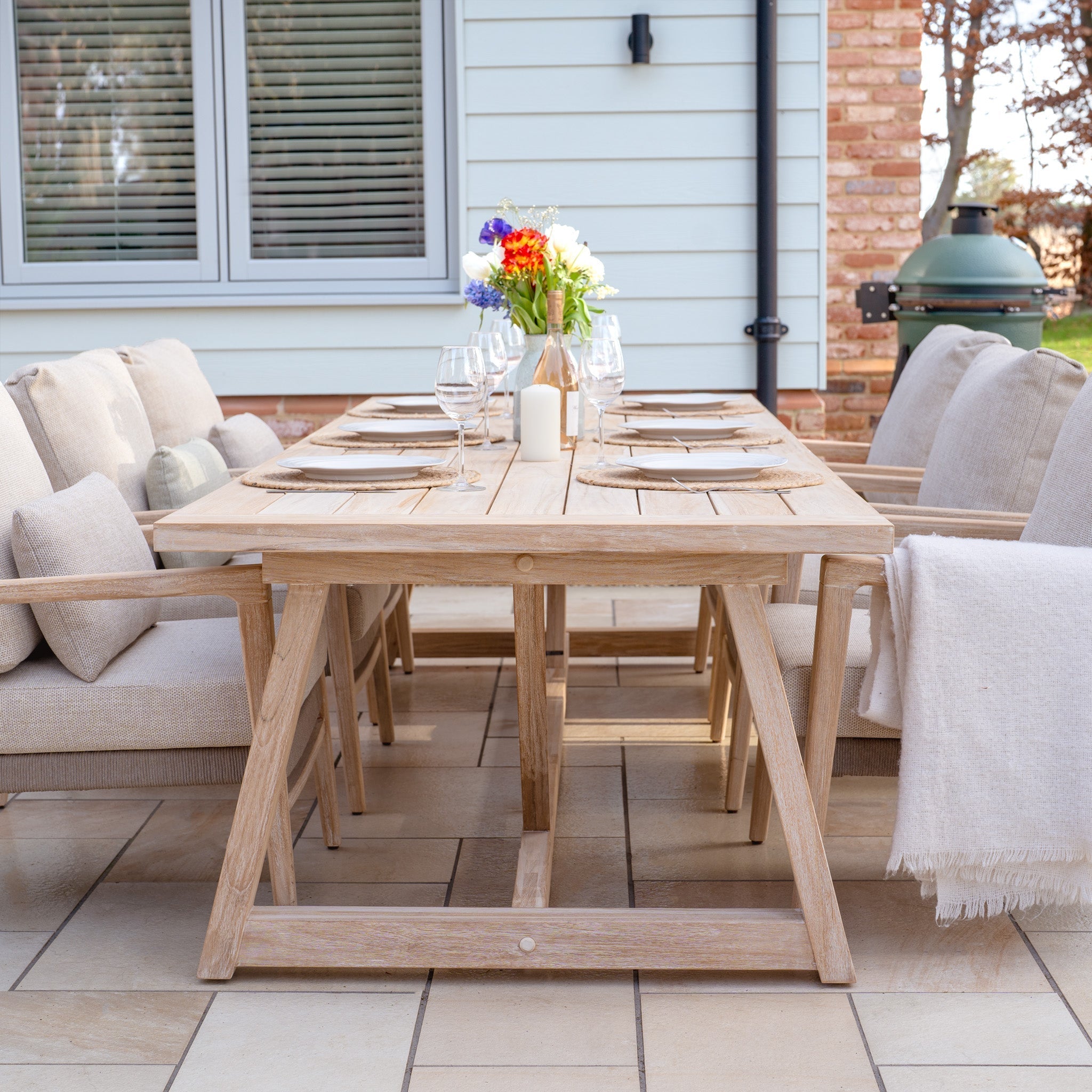
  • Wood vs Aluminium Garden Furniture: Which is Better?

    Wood vs Aluminium Garden Furniture: Which is Better?

    Pull up a chair, because the battle between wood and aluminium garden furniture is one worth sitting down for. The material you choose will shape not just the look of your outdoor space, but also how long the pieces last, and how much care they’ll need along the way. A classic staple, wooden furniture has always been loved for its warmth and natural texture, while aluminium has grown in popularity for its modern aesthetic and rust, rain and frost-resisting abilities, even in damp British gardens. As more homeowners look for durable outdoor furniture, comparing materials before investing is essential.

    In this guide, we’ll put the options side by side. Read on to discover the pros and cons, learn which is the best material for garden furniture and see why Harbour’s aluminium collection is among the most popular choices for creating a beautiful outdoor space that lasts year after year.


    What makes outdoor furniture durable?

    Durability in garden furniture comes down to more than how strong it looks on day one. The real test is how well it stands up over time. While a bit of wear and tear is inevitable, truly durable outdoor furniture resists whatever the weather throws at it without warping, cracking or losing its finish. The British climate is famously unpredictable, so resistance to rust and rot matters just as much as comfort and style. A small city balcony might benefit from lightweight furniture that’s easy to move, while a large country garden could call for heavier pieces that stay put even in strong gales. How you use your garden furniture often decides how long it lasts. A dining table that sees daily meals through the summer will need tougher materials than a bench tucked away in a shaded corner. Aluminium holds up well to regular use without demanding much upkeep, while wood offers plenty of character but asks for a little more care in return. The time of year matters as much as daily use. Wood looks beautiful in spring and summer, especially when it blends with plants or climbing greenery. But once autumn storms and winter frosts arrive, aluminium proves the more reliable of the two, keeping its strength and finish with little upkeep.

    Read our guide to find out more about the best garden furniture to leave outside.


    Benefits of aluminium garden furniture

    Dekota 8 Seat Rope Dining Set with Albatross Extending Table in Fawn – £3,999.00


    Aluminium has become one of the most popular choices for modern gardens, offering a combination of style and practicality that’s hard to beat. Lightweight yet strong, it delivers the resilience you need to make outdoor living easy.


    Key benefits include:

    • A modern aesthetic: Clean lines and contemporary finishes give aluminium furniture a polished feel. A good all-rounder, it works in both compact terraces and expansive patios, pairing beautifully with materials like decking or stone. 

    • Weather resistance: Aluminium won’t rust or lose its structural integrity, even after years outdoors. Whether the garden faces heavy rain or sharp frosts, you can depend on the frames to stay strong and dependable.

    • Low maintenance: A quick wipe or rinse is usually all it takes to keep aluminium looking its best. Unlike wood, there’s no need for sealing or staining, which frees up more time for relaxing.

    • Long lifespan: With powder-coated finishes protecting the surface, aluminium furniture is designed to last for decades without losing its good looks.

    • Lightweight strength: Easy to move around yet sturdy once in place, aluminium is ideal for smaller gardens where layouts might change, as well as larger spaces that need flexible seating for entertaining. 


    Benefits of wooden garden furniture

    Tivoli Large Corner Set with Marble Coffee Table in Fawn – £5,249.00


    Wooden furniture has a timeless appeal that gives outdoor spaces warmth and natural character. From rustic benches to classic dining sets, wood creates a connection between furniture and the garden itself, softening hard landscaping and merging with planting.


    Key benefits include:

    • Natural charm: Wood has a warmth and texture that no other material can fully replicate. It feels organic in traditional gardens and develops extra character as it weathers over time.

    • Customisable style: Wood can be painted or stained to suit different tastes. From a soft, natural finish to bold, painted frames, wood gives you the freedom to refresh your look whenever you choose.

    • Sustainable sourcing: Responsibly harvested wood can be an environmentally friendly option. For eco-conscious homeowners, choosing FSC-certified wood means supporting more sustainable forestry practices.

    • A sturdy presence: Typically heavier than aluminium, wooden furniture stays grounded even in breezy conditions, making it a good match for larger gardens.


    Aluminium vs wood: key features comparison

    In this section, we’ll explore the strengths and trade-offs that come with aluminium and wooden garden furniture. Each material has its own merits, and we’ll break these down across four essential criteria: maintenance, durability, sustainability and value.

    Aluminium vs wood garden furniture at a glance


    Feature 

    Aluminium furniture 

    Wooden furniture 

    Upkeep

    Wash down occasionally to remove dust or dirt

    Needs oiling, sealing or staining to prevent rot and fading

    Lifespan

    15 years or more with minimal care

    Teak can last decades, but softer woods decline faster

    Sustainability

    100% recyclable, long reuse cycle

    Renewable and biodegradable, with FSC-certified options available

    Value over time

    Higher initial cost, but low maintenance costs

    Lower starting cost, but frequent maintenance can add up

    Best fit 

    Modern, coastal or low-maintenance gardens

    Rustic, traditional or plant-heavy spaces


    Aluminium vs wood: what is the best no-maintenance garden furniture?


    Needing only the occasional wash to stay looking fresh, aluminium is the clear winner for anyone who wants furniture that looks after itself, even in damp British weather. Wooden sets ask for more attention. Oiling, sealing or staining helps protect the grain, but it means extra time and ongoing costs if you want the furniture to last and look good.


    Wood vs aluminium: what type of outdoor furniture is the most durable?

    Quay 4 Seat Rectangular Bar Set In Linen – £699.00


    Both materials can go the distance. Aluminium furniture typically lasts 15 years or more with very little effort, and powder-coated finishes help lock in colour and resist UV fading. Teak furniture, known for its strength and durability, can last decades when looked after correctly and even be passed down through families. However, softer woods like pine don’t hold up as well, with their absorbent nature often struggling in the damp and frosty conditions of a UK winter.


    Environmental and sustainability considerations

    Noah 6 Seat Low Rectangular Dining Set in Volga Grey – £6,315.00


    Responsibly sourced wood is renewable, biodegradable and absorbs carbon while it’s in use. Choosing FSC-certified timber is one way to make sure the wood comes from sustainable forestry.  Aluminium has a heavier footprint during production, but it’s endlessly recyclable without losing quality. Around three-quarters of all aluminium ever made is still in circulation today, which makes it one of the most sustainable metals available.


    Which material is better value for money: aluminium or wood?

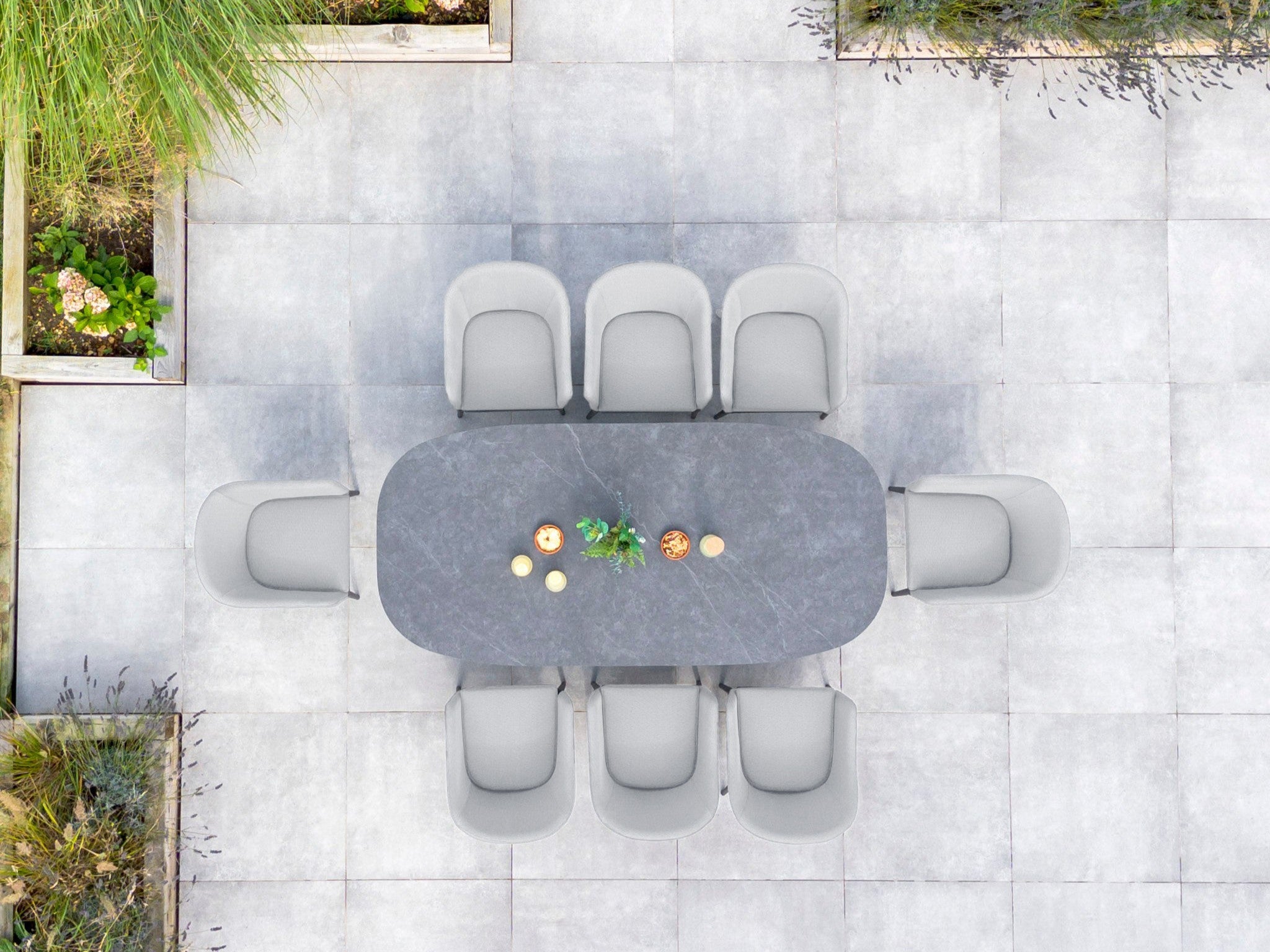
    Luna 8 Seat Outdoor Fabric Oval Ceramic Dining Set in Oyster Grey – £1,999.00


    At first glance, wood often seems cheaper, with entry-level sets starting at a few hundred pounds. The reality changes once you factor in maintenance products and the need for replacements sooner than expected. Aluminium usually costs more upfront, but its longer lifespan and low upkeep mean the total cost of ownership is often lower over time. In other words, aluminium feels like a bigger investment on day one, but it’s one that pays you back season after season. 

    Still undecided? Our guide on how to choose the best garden furniture for your home could help.


    Choosing the best material for your garden furniture

    Wood is a classic that provides natural texture and warmth, but it does need more upkeep to stay at its best. On the other end of the spectrum, sleek and stylish aluminium is low maintenance with the resilience needed for year-round British weather. As a result, it often stands out as the go-to choice for those who want the most durable outdoor furniture. At Harbour Lifestyle, our aluminium furniture is built to weather the seasons and elevate every moment spent outdoors. Powder-coated finishes and timeless designs make each durable outdoor furniture set a reliable companion for decades to come.

    Explore our aluminium garden furniture collection and see how it can reshape your garden life. 


    FAQs


    Which is better for garden furniture, wood or aluminium?

    Aluminium offers the best all-round durability and lowest maintenance, while wood provides timeless warmth and natural character. Your choice depends on whether you prioritise easy care or organic texture.


    Which garden furniture lasts longer in UK weather?

    Powder-coated aluminium typically lasts 15+ years with minimal upkeep. Teak wood can outlast aluminium if regularly sealed and oiled, but softer woods weather and rot faster in damp conditions.


    Is aluminium garden furniture really maintenance-free?

    Almost. Aluminium only needs an occasional wash to stay clean and rust-free. Unlike wood, there’s no need for staining or sealing, making it ideal for busy households.


    How do wood and aluminium compare for sustainability?

    FSC-certified wood is renewable and biodegradable, while aluminium has a higher production footprint but is endlessly recyclable—around 75% of all aluminium ever made is still in use.


    Which is better value for money over time?

    Wood can be cheaper upfront, but ongoing treatments raise long-term costs. Aluminium costs more initially, yet saves money with its low maintenance and long lifespan.


    Can wooden garden furniture handle winter outdoors?

    Yes, but it needs seasonal care. Store cushions, cover the furniture, and treat the wood to protect against frost, rain and moisture damage.


    Does aluminium garden furniture get hot in the sun?

    Aluminium can warm slightly, but powder-coated finishes reflect heat and cool quickly. Pair with cushions or throws for extra comfort during summer.

  • Best Pergolas For Windy Gardens In The UK

    Best Pergolas For Windy Gardens In The UK

    British gardens are no strangers to a strong gust, especially in coastal towns or exposed countryside. For anyone living in these areas, choosing the right pergola can feel less like a design choice and more like a necessity. Pergolas have surged in popularity across the UK, with searches for outdoor structures surging by over 200% in the past few years. As more homeowners look for ways to enjoy their gardens year-round, entertaining friends, dining outside, or carving out a quiet corner to enjoy a coffee, the focus has shifted from simple shade to fortified structures that can cope with unpredictable conditions. 

    So, where do you start if your garden is on the breezy side? We’ll walk you through the features that matter most and the Harbour Lifestyle designs that are built to take on the challenge.


    Understanding wind zones in the UK

    If your garden catches the breeze more than most, you’re not alone. Some parts of the UK experience breezes as a feature, not a flaw. Scotland sits at the top for windiness in Europe. Islands such as Shetland, Orkney and the Western Isles regularly record annual average wind speeds of around 14 knots – among the highest in Britain. Meanwhile, the western and northern coasts, including highlands and open moors, face stronger gusts due to their exposure to prevailing south-westerly winds. Even in the south-west, especially along exposed coasts like Devon and Cornwall, gale-force winds occur around 24 days a year. Inland, sheltered valleys see far fewer but still experience occasional wind events.

    All this means that whether you live along the seaside, on a rolling moor, or simply out in the open, your pergola needs to be ready, not just for the sun, but for serious wind too.


    Are pergolas wind resistant?

    A pergola’s ability to withstand wind heavily depends on materials, design and how well it’s anchored into the ground. A well-designed, properly installed pergola can handle strong gusts, but a basic, lightweight model may struggle in exposed conditions.

    Aluminium and steel frames tend to perform best in high winds, with many tested to withstand gusts of 70–120 mph when professionally installed. Wooden pergolas, while full of natural warmth and charm, are usually more comfortable in moderate conditions, typically holding up to 50–70 mph depending on the quality of the timber and how well it’s maintained.


    What makes a pergola more resistant to the wind?

    • Material: Aluminium, steel and fibreglass outperform wood and vinyl when the weather turns wild.

    • Roof design: Louvred roofs that can be tilted or left open reduce pressure by letting air pass through.

    • Frame reinforcement: Thicker posts and added cross-bracing increase stability.

    • Anchoring: Fixing posts into concrete foundations with heavy-duty fasteners is essential in exposed gardens.


    Even if you don’t live by the sea, wind resistance still matters. The Met Office records around 6-7 named storms each year in the UK on average, with gusts frequently topping 60 mph. Offering peace of mind, a wind-proof pergola helps your investment last longer, shields your outdoor space from damage and provides effective wind protection so you can keep enjoying your garden in the autumn and winter months.


    Features that can make a pergola wind resistant

    A pergola is only as resilient as the choices behind its design. When wind picks up, it’s the roof-type, frame, anchoring and materials that determine whether the structure stands steady or struggles. 


    Pergola roof types and wind resistance

    Fixed roof pergolas

    Solid roofs, whether made from aluminium sheets or polycarbonate panels, provide reliable shelter, but also create a surface that wind can push against. In exposed gardens, this means the frame and anchoring must be particularly robust. When properly installed, fixed roofs perform well in moderate to strong winds, but without reinforcement, they risk acting like a sail, creating wind load that can pose risks like wind uplift, effectively lifting the roof panels off the structure. 


    Louvred roof pergolas

    PergoSTET Deluxe 3m x 4m Rectangular Pergola with Motorised LED Louvres and 3 Manual Side Blinds in Grey – £5,150.00


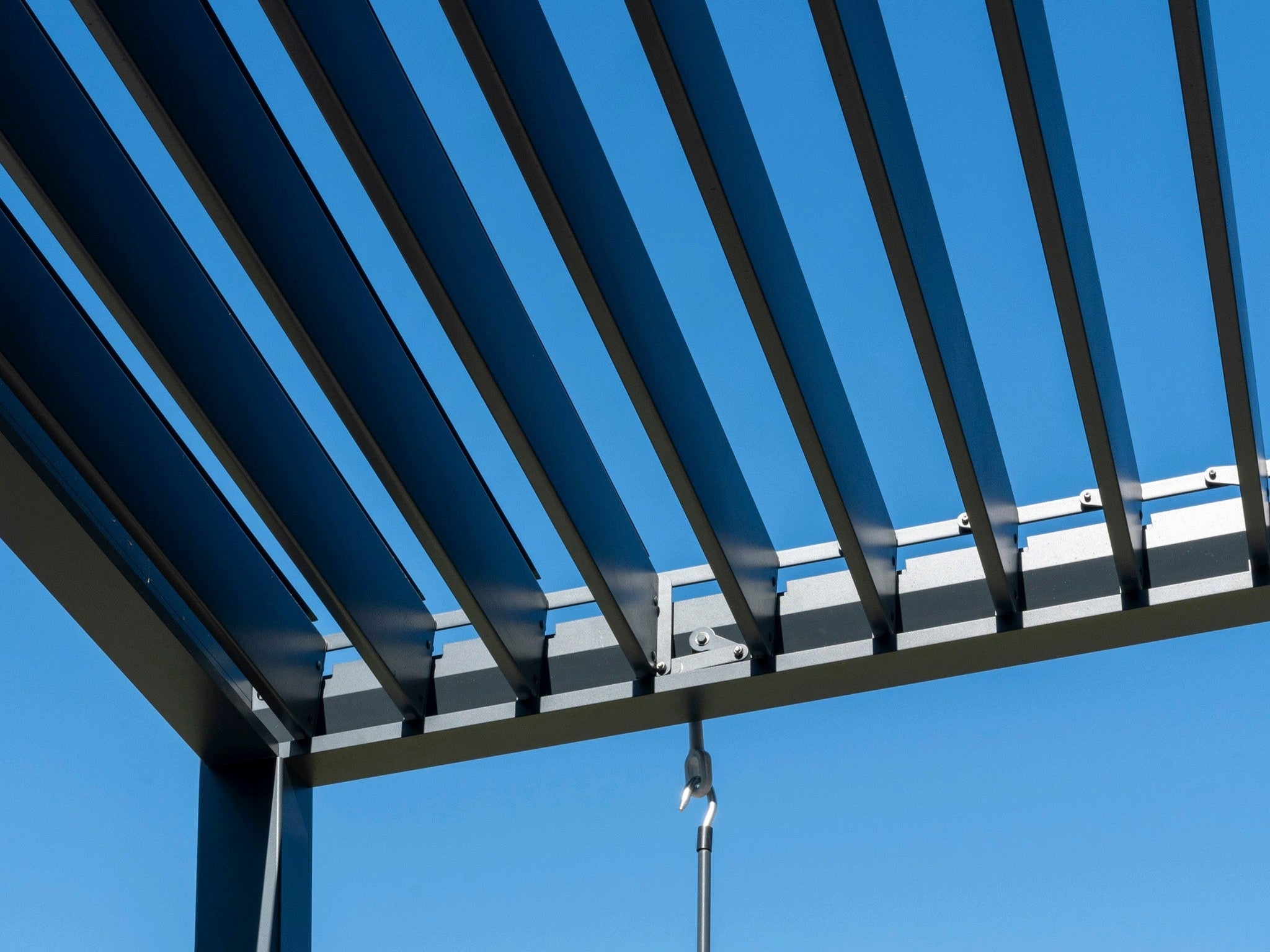
    Modern pergolas with adjustable louvres are one of the best solutions for breezy gardens. By tilting the slats open, air can pass through instead of building pressure on the structure and reducing overall resistance. Designed to handle high winds, leaving louvres partially open can ease strain on the frame during storms.


    Retractable roof pergolas

    Abierto Motorised 3m x 4m Frame Only Pergola with Retractable Roof and LED Lighting in Grey – £5,549.00


    Fabric canopies are popular for their flexibility and soft aesthetic, but are the least suitable option for strong winds. Even weatherproof textiles are vulnerable to tearing under pressure. Aluminium retractable systems with integrated wind sensors provide better protection, as the canopy can be pulled back automatically when gusts pick up. For open or coastal gardens, retractable work best when paired with other reinforcement.

    If you’re weighing alternatives, Awning vs pergola: which is better for your garden? explains where each option shines.


    Pergola design features for wind resistance

    Beyond the roof, small details in the frame and foundations make a significant difference to how a pergola copes with gales. 


    Drop-down blinds

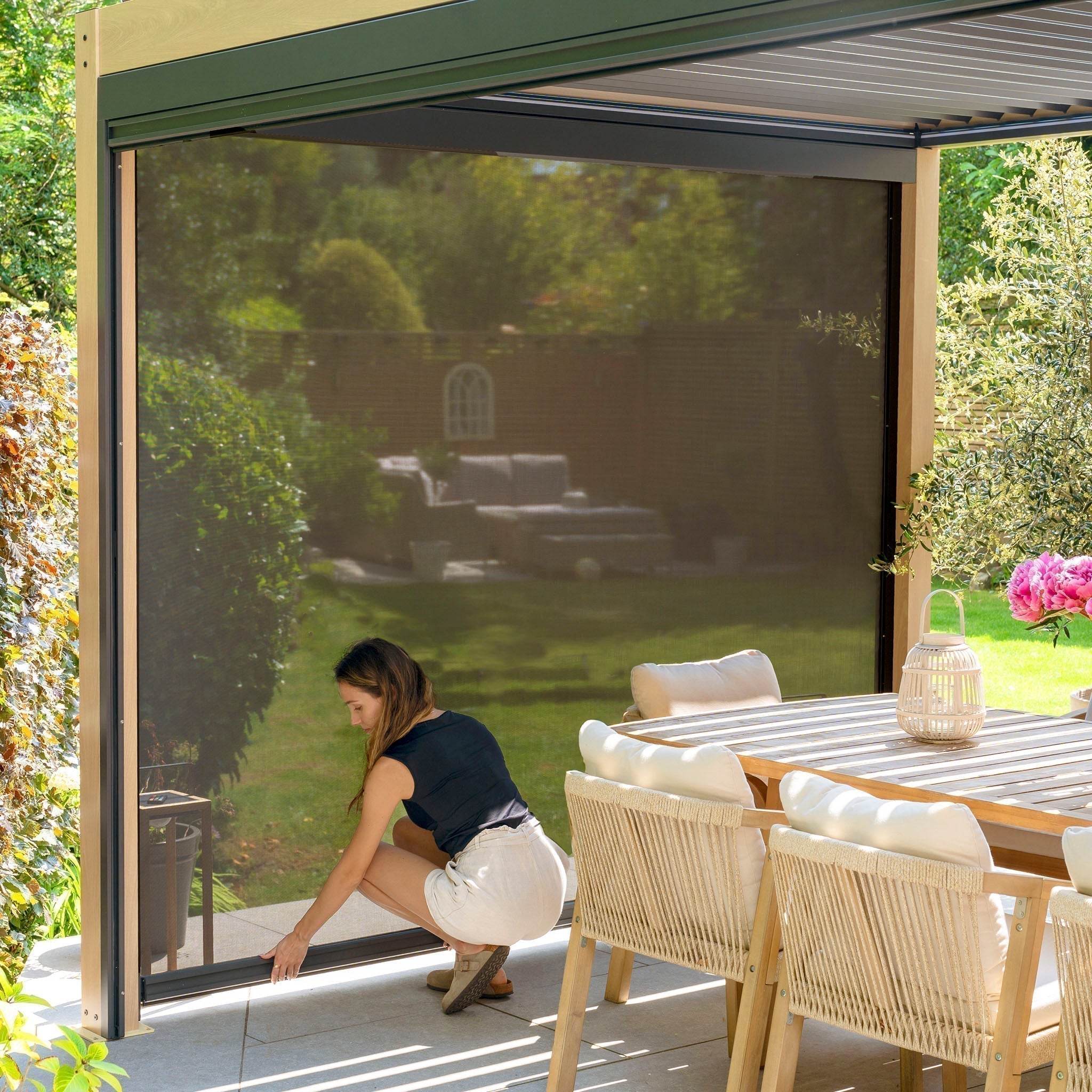
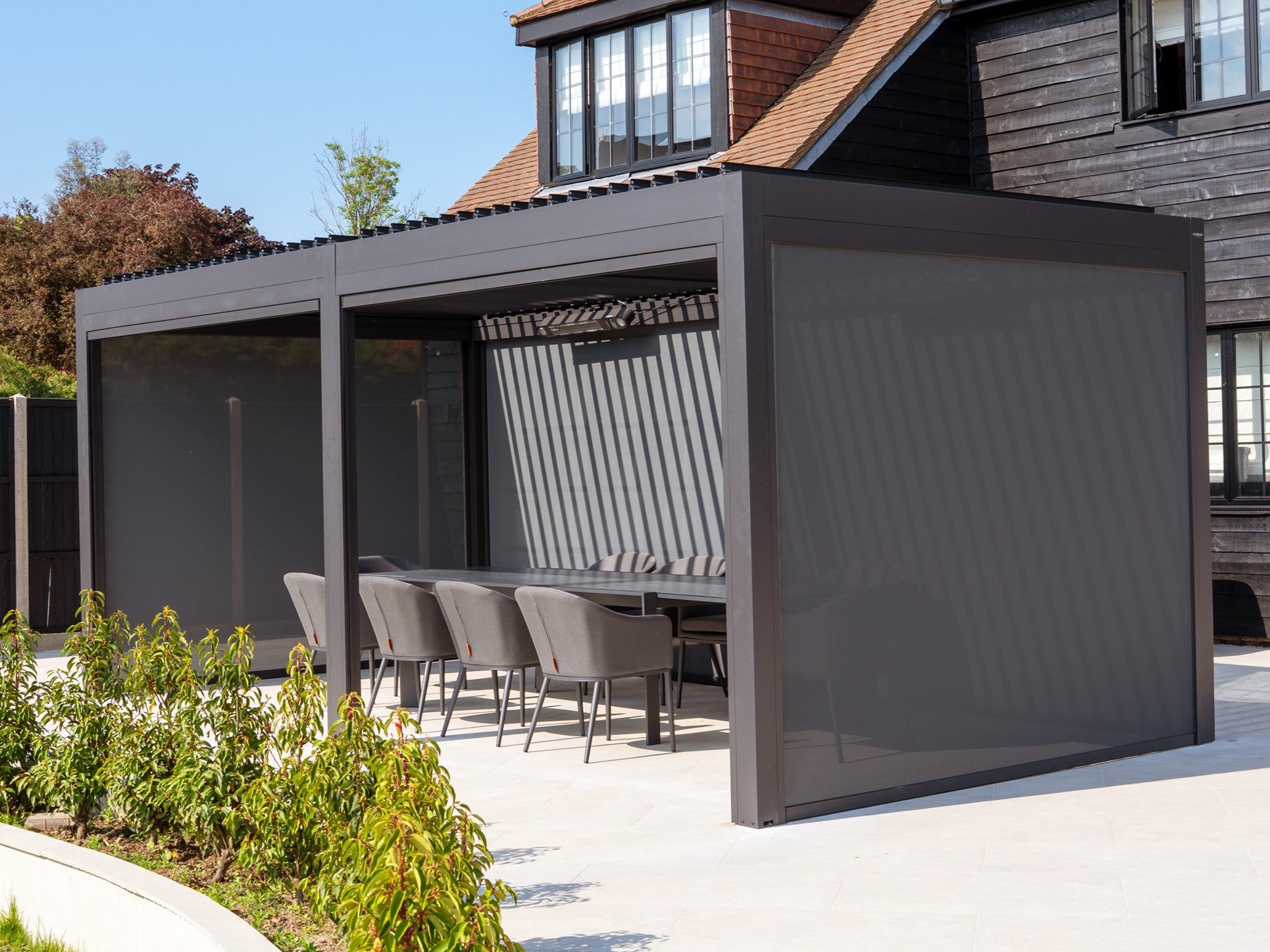
    Adding drop-down blinds to a pergola creates an effective windbreak that shields the space without fully enclosing it. The most durable options are made from heavy-duty outdoor fabrics such as textilene or acrylic mesh, which resist fraying and allow air to filter through while reducing gust pressure. Look for blinds with heat-sealed or weighted bottoms to minimise flapping and choose systems that fit neatly within the pergola frame for extra stability. A three-sided configuration offers flexible shelter from crosswinds and can be rolled up when conditions are calm.


    Weighted bases

    PergoSTET Plus 3m x 4m Rectangular Wall Mounted Pergola with 3 Manual Side Blinds and LED Lighting in Grey – £3,799.00


    A pergola that’s bolted into a concrete foundation or fitted with integrated weights is far less likely to shift. In freestanding models, adding ballast plates or filling hollow legs with concrete can help increase stability.


    Reinforced frames

    PergoSTET Plus 3m x 3m Square Pergola with 3 Manual Side Blinds and LED Lighting in Grey – £3,599.00


    Thicker posts, cross-bracing and corner reinforcements give the pergola backbone. These design features spread the pressure of wind across the whole structure, reducing the risk of side-to-side movement and bending. Many premium aluminium pergolas include hidden reinforcements within their designs as standard.


    Pergola materials and wind resistance


    Aluminium

    Lightweight yet strong, naturally resistant to rust and designed to be reinforced with powder-coated finishes, aluminium has become a leading choice for windy locations. Many high-end aluminium pergolas are rated to withstand 75–120 mph winds when professionally anchored, making them one of the most reliable options for coastal or exposed sites where gusts are common.


    Wood

    PergoSTET Plus 3m x 4m Rectangular Pergola with 3 Manual Side Blinds and LED Lighting in Wood Effect – £4,299.00


    Wood offers natural warmth and blends beautifully into gardens, but it is less dependable in strong winds. Even hardwoods like oak and teak typically handle 50–70 mph before showing signs of strain, and regular treatment is essential to prevent rot, cracks and weakening over time. In windy settings, wooden pergolas typically need additional reinforcements or sheltered placement to stay stable.


    At a glance: Wind performance by pergola type


    Feature / material

    Wind performance

    Best setting

    Notes

    Fixed roof

    Moderate to strong 

    Suburban or sheltered gardens

    Needs heavy foundations to avoid acting like a sail in gusts

    Louvred roof

    Strong (70–120 mph)

    Coastal or exposed countryside plots

    Open slats reduce wind pressure, making it the most flexible choice in windy areas

    Retractable fabric

    Low to moderate

    Sheltered patios or urban courtyards

    Vulnerable in storms; best with wind sensors and a retraction system

    Polycarbonate panels

    Moderate

    Smaller gardens /mixed weather areas

    Light and bright, but heavily relies on the pergola frame and anchoring for stability

    Aluminium frame

    High 

    Coastal, exposed, or modern gardens

    Rust resistant, long-lasting, strong yet lightweight

    Wooden frame

    Lower 

    Traditional or rustic gardens

    A classic and rustic choice, wooden frames are weaker in wind and require regular treatment


    Best pergolas for windy areas

    Harbour’s PergoSTET collection is designed to handle the unpredictability of British weather, with reinforced aluminium frames, integrated drainage and clever louvre systems that ease the strain of the wind. Compact but packed with detail, the PergoSTET Plus offers strength and flexibility for smaller to mid-sized gardens. The powder-coated aluminium frame resists corrosion from salt and rain, while its tilting louvres allow you to open up for airflow or close tight for protection. 

    Integrated textilene blinds reduce movement when a breeze strikes and add privacy when you want it. Additional features include a built-in drainage system that channels rainwater neatly through the frame, preventing pooling even in a downpour, and dimmable LED lighting creates your desired atmosphere for evenings outdoors at the touch of a remote.


    PergoSTET Plus 3m x 4m Rectangular Wall Mounted Pergola with 3 Manual Side Blinds and LED Lighting in Grey – £3,799.00

    Luna Outdoor Fabric Corner Sofa Set with Firepit Coffee Table in Grey
    £3,749.00


    Why it suits windy settings: 

    • Inset blinds resist flapping

    • Double-layered louvres ease wind pressure

    • The reinforced frame anchors securely into concrete for year-round safety and peace of mind


    Shop our PergoSTET Deluxe 3m x 6m Rectangular Pergola with Motorised LED Louvres and 4 Manual Side Blinds in Grey – £8,100.00


    For larger gardens or statement terraces, the PergoSTET Deluxe takes performance a step further. Prioritising convenience, its automated, adjustable louvres allow you to respond instantly to changing conditions, while integrated LED lighting creates customisable ambience after dark. A discreet drainage system efficiently directs rainwater through concealed gutters within the pergola legs, preserving its clean and refined aesthetic. Panelled louvred sides and manual side blinds add privacy and block crosswinds, creating a calm retreat even when the weather turns.


    Why it suits windy settings: 

    • Automated louvres can be opened to let air pass through in high winds

    • The reinforced frame stays steady under pressure

    • Optional side blinds give extra control over exposure


    How to make a pergola windproof: Tips to protect your pergola in high winds

    Even the strongest pergola needs a helping hand when the weather turns wild. By combining good installation with a few simple habits, you can make sure your structure feels safe to enjoy 365 days of the year.


    Consider the setting

    Coastal homes need frames that resist corrosion, such as powder-coated aluminium, while countryside gardens often benefit from reinforced posts that can handle stronger gusts across open land. Even city terraces can be prone to winds, so understanding your garden’s exposure is crucial.


    Anchor it properly

    A pergola is only as secure as its base. Fixing posts into concrete footings with professional fittings gives lasting stability, while surface weights or bolts into paving slabs often fall short. For exposed gardens, reinforced anchoring is non-negotiable.


    Adjust the roof

    If your pergola has a louvred or retractable system, use it to your advantage. Simple steps, such as leaving louvres partly open to reduce strain on the frame and rolling back retractable fabric canopies, make a big difference when gusts pick up.


    Protect the sides

    Side screens, blinds and panels give privacy and shade, but they can also catch the wind. Roll them up during high winds to prevent unnecessary movement or damage. 


    Keep up with maintenance

    A quick seasonal check keeps your pergola in top shape. Tighten any fittings, clear leaves from gutters and ensure drainage channels are clear. A well-maintained pergola is much better prepared to withstand sudden gusts than one with loose or worn components.


    For step-by-step care, bookmark our Pergola maintenance guide: How to care for your pergola.


    Know the limits

    Wind resistance depends on the model, material and installation. As a guide:

    • Aluminium pergolas: typically withstand 75–90 mph, with premium models testing up to 120 mph.

    • Wooden pergolas: usually 50–70 mph, depending on build quality and treatment.

    • Steel frames: up to 120 mph in some cases.


    Secure style and strength with the right pergola

    Windy gardens don’t need to be off-limits when you choose a pergola that pairs resilience with design. We’ve seen how roof types, anchoring methods and materials all affect wind resistance, and why aluminium with adjustable louvres often proves to be the most dependable choice. At Harbour Lifestyle, our aluminium pergolas are engineered for the realities of the British climate. Powder-coated finishes guard against rust and salt air, while reinforced frames keep everything steady when the gusts roll in. Clever louvre systems give you control, letting the wind slip through without compromising comfort beneath.

    Whether you want a neat design for a smaller terrace or a statement structure with motorised panels and integrated lighting, the PergoSTET range offers solutions that feel tailored to every garden. Explore the collection to find a pergola that combines strength with elegance and gives you the confidence to enjoy your space year-round.

    Transform windy gardens into sheltered sanctuaries with Harbour’s aluminium pergolas.


    FAQs


    What is the best pergola for a windy UK garden?

    A reinforced aluminium pergola with a louvred roof is the most reliable choice. Adjustable slats release wind pressure and powder-coated frames resist rust, keeping the structure stable and low-maintenance.


    How much wind can a pergola withstand?

    Quality aluminium or steel pergolas can withstand 75–120 mph winds when professionally anchored in concrete. Wooden designs handle around 50–70 mph, depending on timber quality and maintenance.


    Are louvred pergolas good in high winds?

    Yes. Louvred roofs let air pass through when the slats are left partially open, reducing uplift and frame strain. This makes them ideal for coastal or exposed gardens.


    How should I secure a pergola in a windy garden?

    Use deep concrete footings, heavy-duty bolts and reinforced posts. Wall-mounted models gain extra stability, while freestanding pergolas should never rely on surface weights alone.


    Is aluminium better than wood for windy locations?

    Aluminium is lighter, stronger and rust-resistant, making it far better for exposed gardens. Wood adds natural warmth but needs extra maintenance and reinforcement to stay secure.


    What roof type is safest in strong winds?

    Louvred roofs are safest because you can tilt the slats open to release pressure. Fixed or polycarbonate roofs can also work if the frame and anchoring are exceptionally strong.


    How can I protect my pergola during storms?

    Leave louvres partly open, retract fabric canopies, roll up side screens and check fittings before storms. Seasonal maintenance and clear drainage channels further improve wind resistance.

  • Aluminium vs Wooden Pergolas: Which Is Right For Your Garden?

    Aluminium vs Wooden Pergolas: Which Is Right For Your Garden?

    Pergolas are fast becoming the must-have feature for UK gardens, turning patios and lawns into outdoor rooms you can use even when it rains. But before you picture lazy lunches under dappled shade or late-night cocktails next to a firepit under a sleek modern setup, there’s one decision that can’t be dodged: an aluminium vs a wood pergola. Wood has a warmth and natural charm that makes it a natural fit in traditional gardens when paired with climbing plants. Aluminium has risen in popularity for very different reasons. Its clean lines fit seamlessly into contemporary spaces, and its resilience means it handles whatever the weather throws at it with ease.

    We’re putting these pergolas head-to-head. Read on to see how these different pergola types compare when it comes to style, maintenance and cost, and why Harbour’s aluminium designs are counted among the highest rated pergolas for year-round living.


    Are aluminium pergolas worth it? Features and benefits

    Aluminium pergolas have become a go-to choice for homeowners who want a modern and low-maintenance choice that looks good and lasts. Here’s what sets them apart.


    Sleek and contemporary appearance

    PergoSTET Deluxe 3m x 6m Rectangular Pergola with Motorised LED Louvres, Louvred Side Panels and Manual Side Blinds in Grey – £10,100.00


    Clean lines and minimalist detailing give aluminium pergolas a refined, modern finish that works just as well on a compact city terrace as it does in a landscaped country garden. 


    Weather resistance and durability

    PergoSTET Plus 3m x 4m Rectangular Pergola with 3 Manual Side Blinds and LED Lighting in Latte – £3,999.00


    The British climate is famously unpredictable, yet aluminium holds steady. It doesn’t warp in heavy rain or split under sudden changes in temperature. Paired with louvred or retractable roofs and side panels that drop at the touch of a button, aluminium pergolas effortlessly adapt to whatever the forecast brings.


    Minimal maintenance needs

    PergoSTET Deluxe 3m x 6m Rectangular Pergola with Motorised LED Louvres and 4 Manual Side Blinds in Grey – £8,100.00


    Sanding, staining and sealing are all part of owning wood, but aluminium keeps things much simpler. A quick wipe-down or rinse is usually all it takes to maintain a flawless finish, which means more time enjoying the garden and less time on chores.


    Long-lasting and rust-resistant

    PergoSTET Lite Neo 3m x 4m Metal Rectangular Pergola in Grey – £1,549.00


    Unlike steel or untreated wood, aluminium naturally resists rust and corrosion. Powder-coated finishes add another layer of protection, keeping the structure strong and the surface looking sharp for years to come. With the right design, an aluminium pergola can be the ultimate long-term investment.


    Lightweight and easy to install


    Despite being strong, aluminium is actually lighter than many alternatives. Its reduced weight makes installation smoother and often less disruptive, opening up more options when choosing the perfect spot in the garden, whether you’re building on a patio, deck or lawn. 


    The benefits of wooden pergolas

    Wood has long been a favourite choice for pergolas, thanks to its natural warmth and character. An undisputed classic, it adds a sense of tradition to gardens and plenty of scope for creative design to boot. For those who love a rustic aesthetic or want a structure that blends seamlessly with plants and your natural surroundings, wood is hard to beat.


    Timeless, natural charm for rustic gardens

    PergoSTET Plus 3m x 3m Square Pergola with 3 Manual Side Blinds and LED Lighting in Wood Effect – £3,799.00


    Few materials sit as comfortably in a country garden as wood. Its organic look softens the edges of a patio and pairs beautifully with just about anything, including stone, brick and established greenery. Over time, the material weathers away to add even more character, making it feel like a natural part of the landscape rather than a new addition.


    Can support climbing plants and shade

    PergoSTET Plus 3m x 4m Rectangular Pergola with 3 Manual Side Blinds and LED Lighting in Wood Effect – £4,299.00


    Wooden frames provide the strength and texture that climbing plants need to thrive. Wisteria, roses and ivy all find natural support on wooden beams, eventually creating a leafy canopy of shade overhead. The result is a pergola that feels alive and changes with the seasons, offering cool cover in summer and a bare sculptural outline in winter.


    Fully customisable design options

    PergoSTET Plus 4m x 4m Square Pergola with 3 Manual Side Blinds and LED Lighting in Wood Effect – £5,549.00


    Wood offers unmatched flexibility in terms of size, shape and finish. Pergolas can be stained, painted, or carved to suit individual tastes, from classic cottage styles to more contemporary city designs. For homeowners who want a pergola that feels truly personal, wood allows a level of customisation that aluminium can’t easily replicate.


    Aluminium vs wooden pergolas: side-by-side comparison 

    Feature

    Aluminium pergola

    Wooden pergola

    Aesthetic

    Sleek, contemporary style that suits modern patios and coastal gardens. Stays looking new with minimal effort.

    Warm and rustic, it naturally blends into traditional gardens and ages gracefully.

    Customisation

    Customisation options include a small range of colours, roof types and add-ons such as lighting or heaters. The design is usually set by the manufacturer, making customisation more limited.

    Highly customisable and can be painted, stained, carved, or resized. It’s easier to adapt to one-off, bespoke projects.

    Durability/weather resistance

    Built for the UK climate. Aluminium resists rot or rust, even in coastal areas with salt exposure when protected and maintained with a high-performance, powder-coated.

    Needs regular treatment to withstand rain, frost and insects. Untreated wood can rot within a few years in damp UK conditions.

    Maintenance

    Very low – a quick wash a few times a year is enough.

    High – requires sanding, sealing or staining every 1–3 years. Repairs may be needed if the wood splits or decays.

    Weight

    Relatively light, making it easier to handle and install. Works well on patios, decking or lawns with solid footings.

    Heavy material that needs strong foundations. It can be harder to position or move once installed.

    Cost (initial vs lifespan)

    Higher upfront cost, ranging from £1,250–£8,000+, but with minimal running costs.

    Lower starting price from £500–£1,000 for basic kits, but high maintenance adds up over the years.

    Lifespan

    20–30 years or more with very little upkeep. Powder-coated finishes extend their longevity.

    Around 10–15 years with consistent care. Without treatment, life expectancy may drop below 10 years in wet climates.

    Best for

    Coastal or urban gardens, modern builds, or anyone wanting a low-maintenance, long-term investment.

    Cottage gardens, rustic outdoor spaces, or designs that rely on climbing plants and custom detailing.


    Aluminium pergolas tick a lot of boxes for modern living. They look beautiful with very little effort, stand strong against the British weather and suit just about everything from sleek city patios to breezy coastal plots. 

    Wooden pergolas, on the other hand, win when it comes to natural charm factor . If you’re more into a look that’s soft and organic, a wooden pergola exudes warmth, character and the chance to create something truly bespoke. But you’ll need to put in more time to keep them at their best.

    If you’re after long-term value and a structure that can handle sun, wind and showers without fuss, aluminium is the natural fit. For those who want something more traditional and don’t mind a little weekend maintenance, wood still has plenty to offer. The choice really comes down to how you picture using your garden, and how much effort you want to put into looking after it.


    Which pergola is better for your lifestyle and garden: aluminium or wood?

    Your garden says a lot about how you like to live, and the pergola you choose should do the same. In the city, many homeowners look for a pergola that feels smart and low-fuss. Rustic spaces often lean towards wood, where a little care pays off with plenty of character as the seasons change. By the coast or in family gardens, the priority may be strength against the elements or simply a welcoming place for summer gatherings, and the right material should reflect that.

    Here are a few homeowner profiles to help you see which pergola might be the better fit.


    The low-fuss city gardener

    PergoSTET Plus 3m x 4m Rectangular Wall Mounted Pergola with 3 Manual Side Blinds and LED Lighting in Grey – £3,799.00


    For urban dwellers, space is precious and weekends are busy, so a pergola that looks stylish without demanding maintenance is the obvious choice. Aluminium works perfectly here, providing a sleek structure that complements modern patios and garden furniture alongside year-round weather resilience. 

    One Harbour customer described it best: “It is there, ready to go! Whatever the need, you can configure the roof and sides to suit sun, breeze, and temperature in seconds. For short breaths of fresh air or prolonged use, the pergola is there for instant outdoor comfort and enjoyment.”


    The countryside DIYer

    PergoSTET Plus 4m x 4m Square Pergola with 3 Manual Side Blinds and LED Lighting in Wood Effect – £5,549.00


    Rustic gardens thrive on character and personality, and wood feels right at home among stone walls, hedgerows and climbing plants. Paint or stain the frames and pair with charming rattan or elegant wooden furniture to create a pergola that feels unique. For hands-on gardeners who enjoy weekend projects, wood brings the flexibility to refresh the look every few years and the charm of unrepeatable natural weathering as the structure ages.


    The coastal entertainer

    PergoSTET Deluxe 3m x 4m Rectangular Pergola with Motorised LED Louvres and 3 Manual Side Blinds in Grey – £5,150.00


    Salt air and high winds are all part and parcel of seaside living. Powder-coated aluminium is the stronger contender in these harsher conditions. Its resistance to corrosion makes it a smart long-term investment, and louvred roofs mean the space is just as usable during a hot afternoon as it is during a breezy evening. 


    Final thoughts: Should you choose aluminium or wood for your pergola?

    Choosing between aluminium and wood is really about the kind of life you want to enjoy outdoors. Wood has a natural beauty that never goes out of style, especially when it weathers and blends into a rustic garden. Aluminium, on the other hand, is the more modern fit for contemporary settings and provides the kind of peace of mind that comes with knowing it can handle the rain, the frost and even the odd heatwave without fuss. For many homeowners, aluminium ends up being the winner, lasting longer, demanding less attention and looking just as smart years down the line as it did on day one. Wood still has its place for those who love a more traditional feel, but when it comes to aluminium vs wood pergola decisions, aluminium is often the better long-term investment.

    At Harbour Lifestyle, our aluminium pergolas are designed with powder-coated finishes, clever roof systems and strong frames, so you can enjoy your space through every season without the constant upkeep. Discover our pergola collection and see how the right structure can transform your garden. For more ideas and inspiration, take a look at our outdoor living blog.


    FAQs


    Which is better for a UK garden, an aluminium or a wooden pergola?

    Aluminium is the stronger long-term choice thanks to low maintenance and all-weather durability. Wood wins for natural charm and custom design, but needs regular care.


    Which pergola lasts longer outdoors?

    A powder-coated aluminium pergola can last 20–30 years with minimal upkeep. Treated hardwood pergolas may reach 10–15 years, but untreated wood weathers much faster.


    Which pergola needs less maintenance?

    Aluminium only needs an occasional wash to stay clean and rust-free. Wood requires sanding, sealing or staining every 1–3 years to prevent rot and splitting.


    Can a wooden pergola handle UK rain and frost?

    Yes, if built from hardwood and sealed regularly. Without treatment, moisture can cause rot and reduce lifespan, especially in damp or coastal regions.


    Which pergola is better for coastal gardens?

    Aluminium is best for coastal settings. Powder-coated frames resist salt corrosion and strong winds, while wood demands heavy treatment and more frequent checks.


    Which offers more design flexibility?

    Wood allows custom sizes, stains, paint colours and carved details. Aluminium provides a sleeker look but is typically limited to manufacturer colourways and add-ons.


    Which material gives better long-term value?

    Aluminium costs more upfront but saves on maintenance, making it the better lifetime investment. Wood may be cheaper to buy, but ongoing treatments raise total costs.

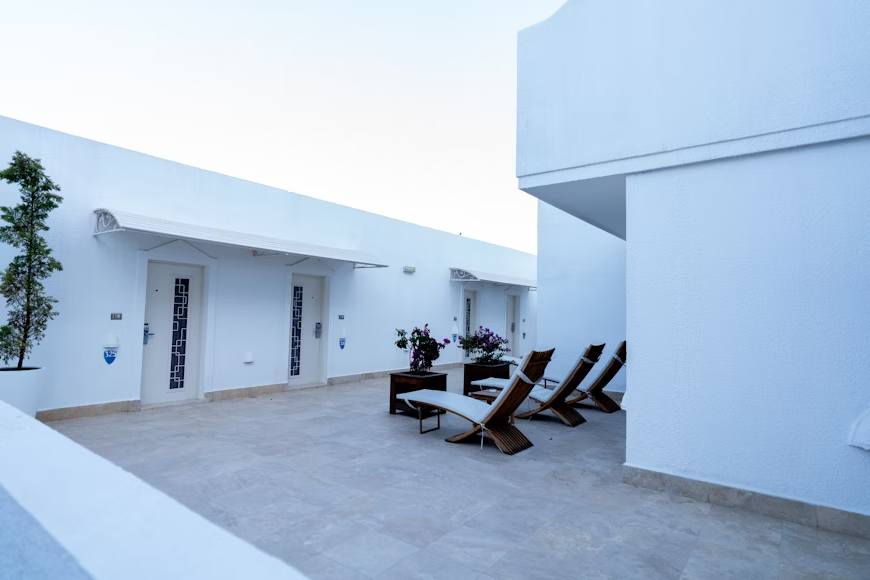
  • Patio Floor Ideas to Elevate Outdoor Spaces

    Patio Floor Ideas to Elevate Outdoor Spaces

    By Day On Garden/31,July,2025

    (Source)

    Picking the right floor can turn your backyard into a cozy retreat or a fun hangout spot. With the right patio floor ideas, outdoor spaces feel welcoming, safe, and practical. You might like a sleek stone surface or worry‑free concrete.

    Maybe wood decking fits your rustic taste. Some options are easy to install, while others last for years with little upkeep. No matter your style or budget, there’s a match. A great outdoor floor sets the tone for barbecues, playtime, or quiet evenings. Let’s explore patio floor ideas that bring comfort, charm, and durability all in one.

    So, what are some of the best patio floor ideas that can enhance your curb appeal and increase the overall look of your home? Well, this article provides you with a fair share of ideas on how you can make the most out of the patio floors to elevate outdoor spaces. So, without further ado, let’s get right into it.

    Table of Contents

    When outdoor flooring works well, it makes your yard feel extra big. Hard surfaces protect grass from dirt and keep mud away. A strong surface also keeps walking safe after rain. And a floor that looks good can boost home value.

    Your floor choice also shapes how you use your patio. Some options let you move furniture easily. Others resist spills, heat, or scratches. Picking the right outdoor flooring options adds value and enjoyment to outdoor living all year round.

    One of the best things about patio doors and floors is that there are different options you can choose from according to your needs and preferences. Let’s go over some of the common ones to give you a better idea of you.

    Concrete Finishes

    Stamped or stained concrete feels solid and neat. Brushed concrete provides grip when wet. It’s simple to clean and resists pests. It works for big decks and fits budgets easily. Many people seal concrete to keep its color from fading in the sun.

    Natural Stone

    Options like flagstone, slate, and bluestone bring an earthy look. Every flagstone is unique. It stays cool under your feet. Terrance Stones’ last ages with light care. Prices vary, but their lifetime value makes them worth it.

    Wood Decking

    Treated wood or hardwood planks bring warmth to patios. They feel natural and friendly. A good coat of sealant protects against rot and pests. Treated pine costs less than exotic hardwoods while still looking great.

    Brick Flooring

    Brick gives a vintage vibe and stays stable. Laid in patterns, bricks resist slips better than smooth surfaces. They suit both traditional and cottage styles. Proper base prep stops shifting and cracking.

    Porcelain or Ceramic Tiles

    These smooth tiles offer many colors and patterns. Tiles resist fading and water damage. They work well in covered patios. Care is easy with sweeping and rinsing. Some surfaces feel hard underfoot, but mats help.

    (Source)

    Most people might think that going for a backyard patio might be a costly endeavor. However, there are some budget-friendly patio flooring options available in the market. As a result, you can elevate the overall look of your home’s backyard without breaking the bank. Let’s go over them.

    Gravel

    Loose gravel installs fast and drains well. It’s good for sitting spots but tricky for moving wheeled items. Stepping stones help keep footing steady. All these things make it a popular choice for your home’s backyard.

    Concrete Pavers

    These modular blocks come in shapes like hexagons or rectangles. You can lay them yourself. It is one of the main reasons why concrete pavers are a popular choice. They’re easy to replace if one cracks. Many brands offer slip‑resistant finishes.

    Recycled Materials

    Choices like rubber tiles or reclaimed bricks reduce waste. Rubber feels soft under feet and works for play areas. Recycled bricks add character and strength. Both options support eco‑friendly design.

    (Source)

    A patio surface might sound like a good option to enhance your curb appeal. However, there are a few important things that you need to keep in mind. Below are the important factors to consider when choosing patio surface materials.

    Climate

    Some floors crack in cold zones while others absorb heat in summer. Concrete withstands all seasons. Stone offers natural cooling underfoot. Wood may warp if moisture stays too long.

    Foot Traffic

    Busy patios need tough flooring. Patio surfaces near pools or grills face high use. Durable material like pavers or tile stands up to more wear.

    Drainage

    Puddles ruin many surfaces. Materials like gravel or permeable pavers help water drain. Flat patios with poor drainage lead to slippery surfaces.

    Maintenance Time

    Some surfaces need yearly sealing. Some just need light sweeping. Stone and tile work well if maintenance isn’t your jam.

    Cleaning and Care Tips

    Maintaining your surface keeps it safe and fresh. And there is no rocket science that goes into the process. All you have to do is follow a few things, and you can ensure that your patio maintains a clean look. Here are detailed tips to keep different patio surface materials clean:

    Pressure Wash for Tough Stains

    Concrete and pavers can look new again after a gentle pressure wash. However, you shouldn’t apply the same logic to other surfaces. For instance, it is best to use low pressure or avoid wood surfaces.

    Sweep Tiles Regularly

    Ceramic or porcelain tiles collect dirt. It is why you need to sweep them from time to time. It will ensure that there is no dust or other buildup. A basic broom and hose rinse keeps them bright.

    Reseal Wood or Stone Every Two Years

    Another great way to keep your patio clean is through resealing it after every couple of years. This protects against stains, moisture, and fading. A fresh seal helps resist rot and cracking for most hard surfaces.

    Replace Cracked Sections Promptly

    If a paver or tile cracks, swap it quickly. That prevents further cracking from weight or water infiltration.

    Seasonal Debris Removal

    Leaves and wet debris can stain or rot surfaces. Clean weekly during autumn to prevent buildup and staining.

    Safety and Comfort Tips

    Look for materials with slip‑resistant textures. Brick and stamped concrete grip well when wet. Heated surfaces stay cool under bare feet. Avoid surfaces that get too hot by adding shade or mats. Smooth edges help if you move furniture around regularly. Backyard patio flooring should feel secure underfoot—for kids, guests, and pets.

    Conclusion

    Outdoor flooring impacts how you enjoy your space every day. From stone to tile, each patio surface material brings its own look and feel. Choose wisely and your patio stays safe, stylish, and fun. Day On Garden offers a range of outdoor flooring options designed to transform your outdoor living space.

    Call Day On Garden to elevate your backyard today.

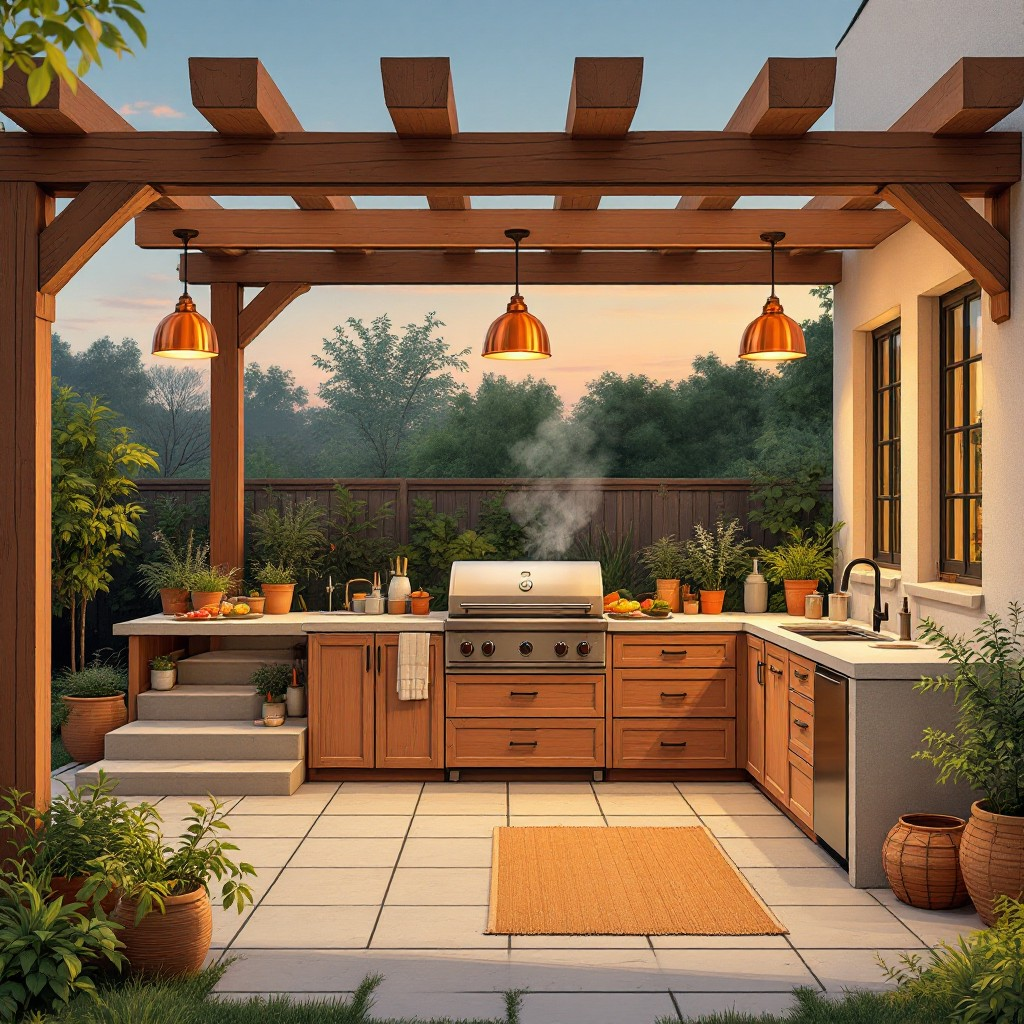
  • Covered Outdoor Kitchen Ideas for Year-Round Enjoyment

    Covered Outdoor Kitchen Ideas for Year-Round Enjoyment

    By Day On Garden/26,Aug,2025

    A backyard becomes more than a simple outdoor area when it is designed to serve people with comfort and convenience. Adding a covered outdoor kitchen is one of the best ways to achieve this.

    Homeowners value these spaces because they create a balance between cooking, relaxation, and social connection. Covered kitchens transform how a home feels from small setups with a grill to expansive designs with full counters and seating.

    They also provide protection from the weather, making them practical and long-lasting. This guide explores different covered outdoor kitchen ideas to help inspire both style and function.

    Table of Contents

    (Source)

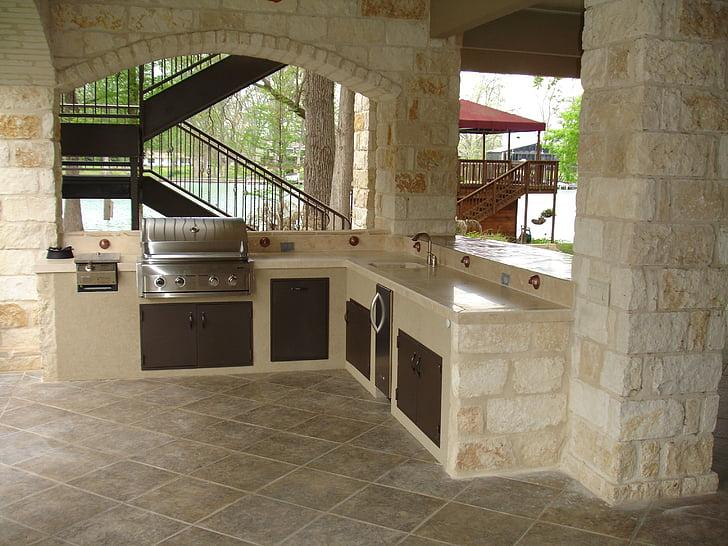
    An outdoor covered kitchen makes a lot more than just an outdoor cooking area. It enhances property value, promotes family time, and makes it usable all year round. The popularity of outdoor kitchens is increasing among homeowners for various reasons. Here are a few of them.

    Shielding Against Different Weather Conditions

    An outdoor kitchen with a covering shelters from rain, heat, or snow. Proper coverage does not allow for warping or fading of surfaces. Families get the chance to have uninterrupted gatherings that are not destroyed by the weather.

    Protection also guarantees that the kitchen appliances and furniture are in good condition longer. The whole cooking and sitting area can be enhanced with adequate roofing. This advantage is enough to consider covered kitchens to be a clever choice for homeowners.

    Increase in the Value of Home

    Installing an outdoor kitchen cover does wonders for home value. The chances of selling it quickly to the prospective buyers are quite high. Many buyers perceive it as an improvement in the lifestyle and property functionality. An attractive outside kitchen could also make a home more memorable.

    It is also regarded as one of the best luxury additions as far as real estate is concerned. This addition has stood the test of time with quality materials and a great floor plan, giving the homeowner continued payback in monetary terms with day in and day out enjoyment.

    The Social and Family Benefits

    A modern outdoor kitchen that is covered encourages unity. Cooking under a roof outside makes the place where children, friends, and other guests can interact with one another easily. Preparing food allows people to be in the same group and not cooking alone in the house.

    This gives way to a smooth flow of dialogue. The covered area can serve to eat a barbecue on weekends, to take a light dinner, or even have breakfast in a calm atmosphere. The design makes meals into experiences that feel special..

    (Source)

    Choosing a style helps reflect personality while supporting functionality. Styles vary from rustic setups with wood beams to modern outdoor kitchen designs with sleek metal finishes. Each option blends different materials and outdoor kitchen layouts to create a unique environment. Below are popular ideas that homeowners can adopt to create inviting spaces that are both stylish and practical.

    Rustic Covered Outdoor Kitchen

    A rustic covered outdoor kitchen uses natural textures like stone, wood, and brick. It feels warm, earthy, and welcoming. The U.S. Forest Service highlights that natural wood has a durability rating of 30–50 years when maintained properly. Beams and stone counters enhance authenticity and charm.

    The rustic style often includes fireplaces or wood-burning ovens, giving a cabin-like atmosphere. It works well for families who enjoy cozy settings with character. Rustic kitchens feel timeless, reminding people of countryside gatherings while providing comfort with modern appliances under protective roofing.

    Modern Covered Outdoor Kitchen

    A modern covered outdoor kitchen features clean lines, smooth finishes, and contemporary appliances. Minimalist counters, polished concrete, and neutral colors define the look. Lighting and built-in seating add sophistication.

    A modern kitchen outside reflects urban elegance, making outdoor dining an extension of indoor style. With a sturdy covering, the space feels like a natural continuation of the home’s design.

    Mediterranean Covered Outdoor Kitchen

    A Mediterranean covered outdoor kitchen emphasizes arches, tiles, and warm earthy tones. Terracotta or mosaic details create lively visual appeal. The Mediterranean style often integrates open grills, clay ovens, and shaded seating.

    This design radiates warmth and charm, making it perfect for families who enjoy long gatherings. The covering blends comfort with aesthetics, ensuring the kitchen remains functional even during sunny afternoons. Its timeless appeal attracts those who value classic beauty combined with practicality.

    Covering the outdoor kitchen maintains the space, thus preserving the quality and beauty of the kitchen using coverings. Routine maintenance increases the life of the appliances, materials, and coverings. It saves you money because there is no need to change certain parts time after time. Here are some practices that assist you in maintaining the outdoor kitchen fresh and welcoming.

    Seasonal Cleaning

    A covered outdoor kitchen should be cleaned regularly to increase its hygiene and usability. Cleaning the surfaces with safe disinfectants is recommended by the Centers for Disease Control and Prevention to avoid the growth of bacteria.

    Cleaning counters, washing the grills, and wiping cabinetry is a way to keep the area food-safe. In addition to that, cleaning frequently will help to eliminate the accumulation of grease and avoid infestation. Deep cleaning seasonally, such as washing over-covers and clearing ventilation, contributes to the long-term performance.

    Not only that, regular maintenance safeguards furniture against wear and tear and makes parties enjoyable. Sanitary areas help the family and visitors to enjoy cooking environments that are devoid of stress.

    Appliance Care

    Appliances in a covered outdoor kitchen should be maintained regularly in order to increase their lifespan. Cleaning of burners, covering of grills, and gas checking lines will make them safe. To protect against humidity or insects, storing small appliances in cabinets is important.

    The polish preserves the shine of stainless steel and prevents corrosion. When well-maintained, outdoor appliances consistently work and do not go out on you when you have a party. One of the simplest measures for a homeowner in terms of investment is appliance care.

    Roof and Structure Repair

    A covered outdoor kitchen needs to be checked for leaks or deteriorated spots on the roof. Routine check-ups ensure the prevention of water seeping into the structural elements. Furthermore, clearing out guttering and looking into beams to make sure there are no cracks helps to keep the covering dry.

    Sealants and repainting metal frames improve the durability of wood beams and metal frames. By doing this, the covering is thick and stable, and offers protection even over many years. A neatly maintained structure will also give a good degree of safety and functionality to the whole kitchen area.

    A covered outdoor kitchen transforms an ordinary backyard into a lively and functional gathering space. It protects against the weather, adds property value, and encourages family togetherness. With the right style, functional features, and consistent maintenance, this investment keeps serving homeowners for years.

    Day On Garden brings expertise to create durable and stylish outdoor kitchen solutions that make every space stand out.

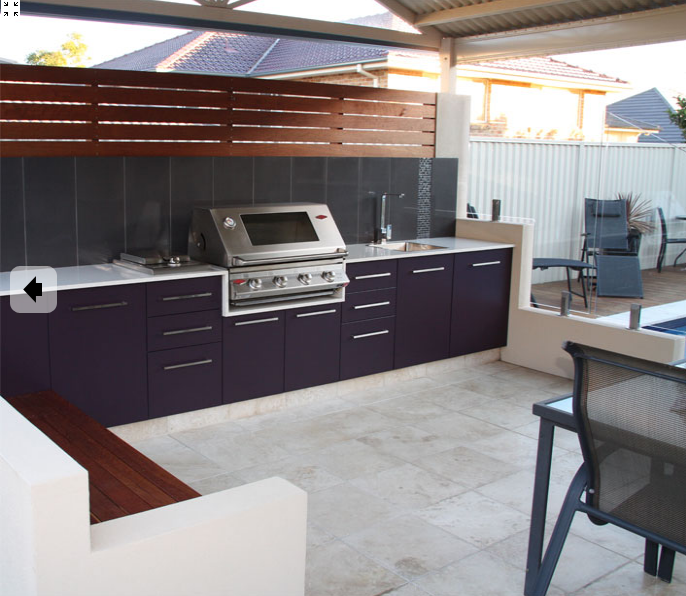
  • Outdoor Kitchen Cabinets | Durable and Weatherproof Cabinet Ideas

    Outdoor Kitchen Cabinets | Durable and Weatherproof Cabinet Ideas

    By Day On Garden/03,Oct,2025

    (Source)

    A good outdoor system begins with cabinets. These offer storage, protection, and style. Given that outdoor spaces are exposed to sun, rain, and changing temperatures, material selection is critically important. When installing bold, modern outdoor kitchen cabinets, it’s not only about adding storage; equally important is the bold style and durability they bring to the space.

    It is planned for durability, design, and comfort. Individuals desire cabinets that can withstand the weather and fit into the appearance of their backyard. The right cabinets would make the outdoor kitchen complete. So, what do you need for your outdoor kitchen cabinets? Continue reading to learn more about it.

    Table of Contents

    Each home requires different cabinet solutions. Cabinet needs vary from home to home. Some prioritize strength, others focus on budget, and still others are led by design. Let’s point out the key types you will encounter.

    Stainless Steel Cabinets

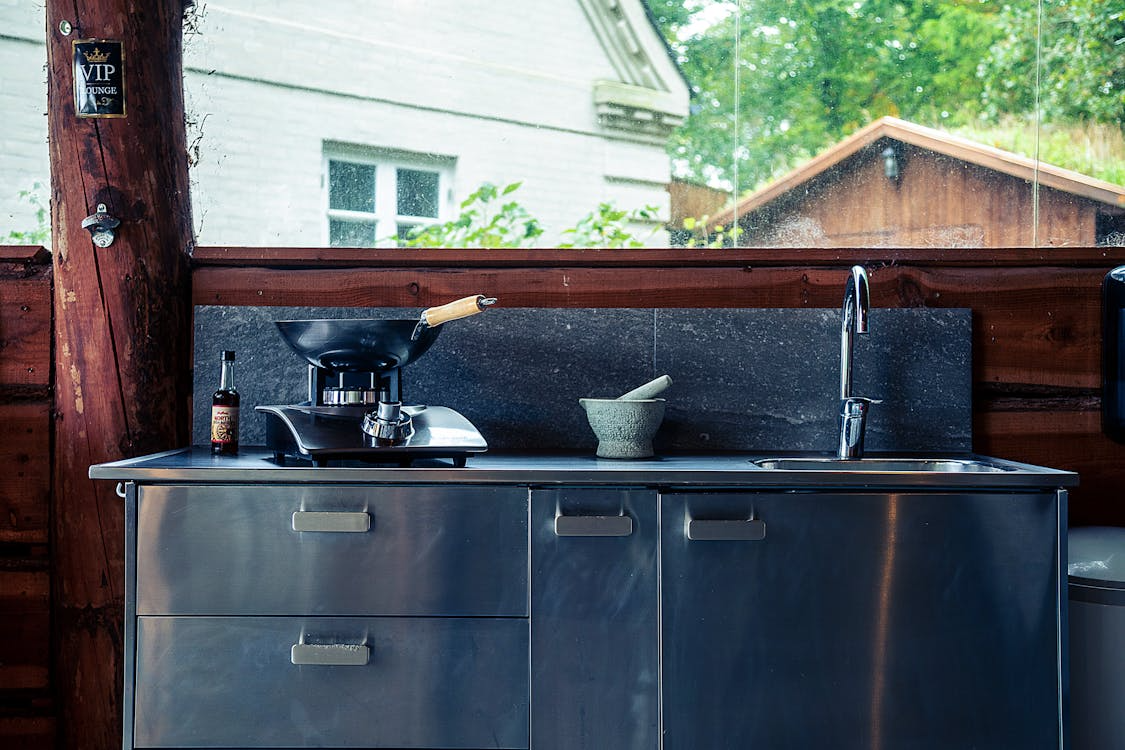
    These are the most popular options. They resist rust and provide a smooth appearance. Because of their low maintenance, daring, modern stainless steel outdoor cabinets are a popular choice among homeowners. Their shine remains after several years of exposure.

    They also go well with contemporary appliances. To individuals constructing a complete outdoor system, they usually list the daring and italic best outdoor kitchen cabinets. Here, durability and design are a perfect match.

    Polymer and Composite Cabinets

    Polymer cabinets are made of high-density plastics. They are waterproof and mold-resistant, and are therefore good options in high-rainfall areas. These are intelligent investments. Polymer is easy to care for, so it’s a popular choice for homeowners with bold, modern outdoor cabinet designs.

    The material retains its form during heat and cold. While its appearance might not be as smooth as steel, polymer is an ideal choice for areas where water resistance is critical.

    Wood and Hybrid Cabinets

    Wood is still popular among natural finish lovers. Hardwoods such as teak or cedar are more resistant to moisture than softwoods. A lot of homeowners resort to bold and italic custom outdoor kitchen cabinets when they desire a wood appearance with additional sealing.

    Hybrid models are made of wood and polymers or steel frames to make them tougher. Wood needs more attention, but it is warm and classic. The correct treatment prevents it from swelling or cracking externally.

    (Source)

    Good design connects functionality and aestheticism. Cabinets are useful in layout, storage, and style. We will describe how the design decisions influence the space to give you a better idea.

    Planning the Layout

    Cooking outdoors is made easy by good layouts. You would prefer cabinets that are located in a way that they are easily accessible with the tools. A considerate design with bold, modern custom outdoor kitchen cabinets enhances the flow.

    You will cook, serve, and clean without going round and round. It is easy to retrieve utensils or spices by adding bold and italic durable outdoor storage cabinets near the grill. Planning conserves time in meetings.

    Style and Function

    The outdoor arrangements should be attractive and yet functional. Most of the homeowners desire designs that are similar to their patio or deck. Designers can draw inspiration from bold, modern outdoor cabinet concepts for their color and texture schemes. Opting for stainless steel introduces sleek, clean lines.

    Wood adds warmth. Polymer makes it easy and uncomplicated. Flexibility is provided by mixing materials. Cabinets must be sturdy and easy to use, and the space must be friendly. A great combination implies that both beauty and functionality are in harmony.

    Storage and Space Efficiency

    An outdoor kitchen must not be cluttered. Smart organization is made possible by cabinets. The inclusion of bold and italic sturdy outdoor storage cabinets implies that utensils, pans, and supplies remain clean and safe. This prevents rushing in to get what is forgotten.

    Families who use bold and italic outdoor kitchen cabinets are aware of the importance of additional compartments. Every inch will provide efficiency, whether it is pull-out drawers or corner shelving. Clean space facilitates meetings. Cooking outdoors is made orderly with arranged cabinets.

    (Source)

    Cabinets should be maintained so that they are long-lasting. It is important to clean, seal, and check seasonally. This section provides some quick tips on easy care.

    Cleaning and Upkeep

    Cabinets can be made to last with regular cleaning. Grease and dirt may reduce their life. Cleaning surfaces once a week is useful. This task becomes simpler with bold, modern weatherproof outdoor cabinets, thanks to their stain-resistant quality. In the case of steel, a wet cloth is effective.

    In the case of wood, mild soap preserves finishes. Individuals who invested in bold and italic best outdoor kitchen cabinets ought to consider maintenance as a way of safeguarding an asset. Basic practices avoid costly maintenance. Regular treatment is cost-effective and less stressful.

    Seasonal Care

    Stress on outdoor cabinets varies throughout the year. Materials are tested by winter cold and summer heat. Enough water is damaging to untreated materials. Protection is provided by covering units during harsh seasons.

    The bold and italic waterproof outdoor cabinets are advantageous to the owners who enjoy additional security against water damage. It is also useful to seal wooden surfaces prior to winter. Even minor details can help to maintain bold and italic outdoor kitchen cabinets in new condition. Habits of the season increase their lifespan.

    Longevity Practices

    Longevity comes from consistent habits. Checking hinges, tightening bolts, and applying new seals prevent small issues from growing. Those with bold and italic custom outdoor kitchen cabinets know adjustments keep them sturdy.

    Steel models may need polishing. Wood may need re-sealing. Polymer requires less effort but still benefits from inspections. Cabinets built to last are investments worth protecting. Owners of bold and italic durable outdoor storage cabinets find that care adds years of use.

    Regular Hardware Checks

    It is vital to check hinges, handles, and drawer tracks every few months. Outdoor changes in humidity and temperature can loosen or rust screws. Technicians tighten and lubricate the hardware to maintain cabinet functionality and prevent wear.

    These regular hardware checks ensure that your kitchen is in proper working condition right from the start. You can maintain the same look and avoid costly repairs down the road.

    Seasonal Deep Cleaning

    Clean cabinets at the beginning and end of every season. Wash with mild soap and water and rinse thoroughly. This eliminates the grease, pollen, and dust accumulation and makes finishes new and prolongs the life of the cabinets.
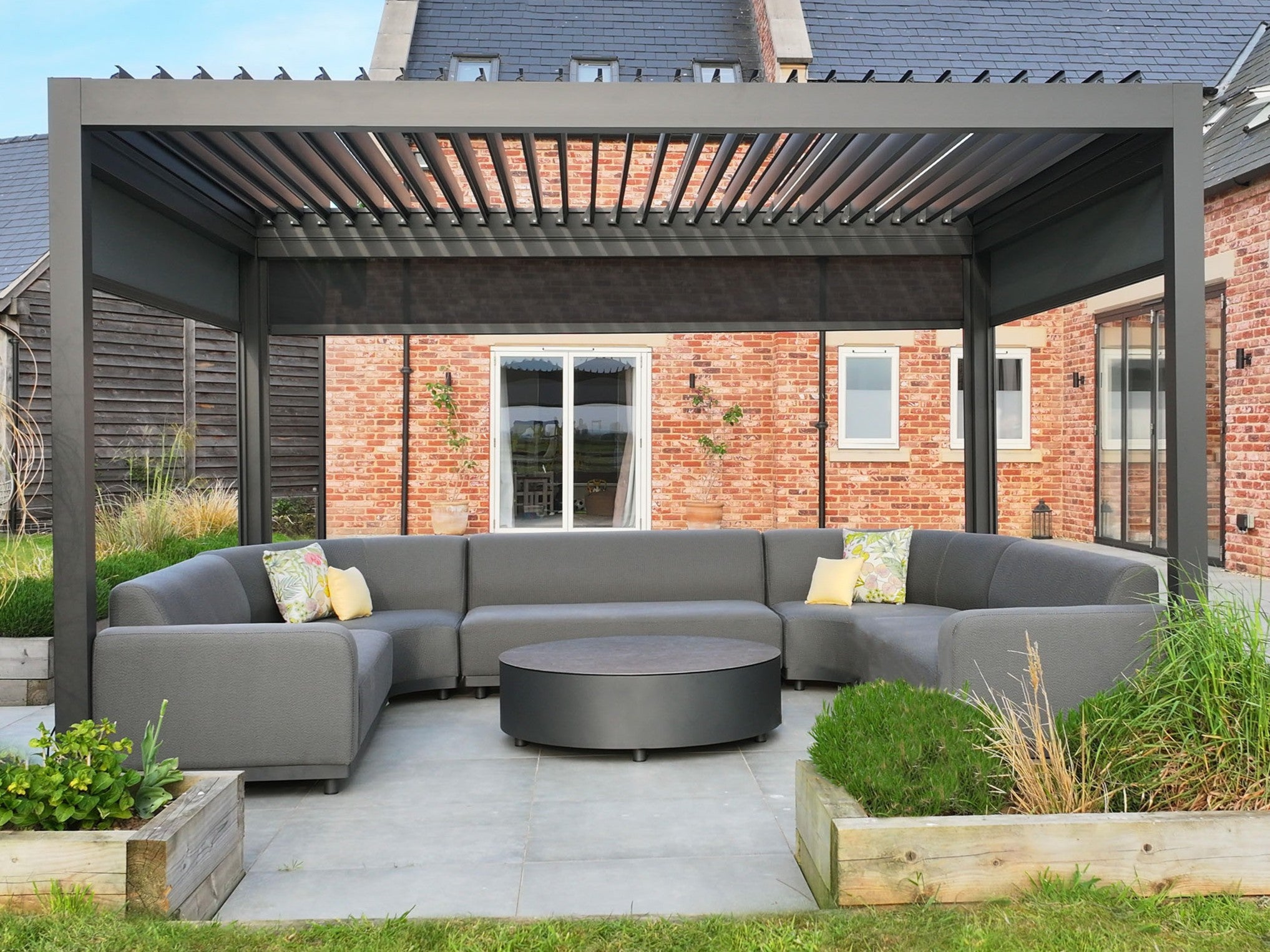
    Make sure to have seasonal deep cleaning along with a routine maintenance and care process. It is something vital for the longevity and upkeep of your outdoor kitchen cabinets.

    Outdoor kitchens feel complete with the right cabinets. Choices should balance durability, function, and style. A little care keeps them strong for years. Installing reliable cabinets makes gatherings more enjoyable.

    Build your outdoor space with confidence. Day On Garden provides trusted options in outdoor kitchen cabinets built for lasting performance.

  • Pergola Ideas to Enhance Your Home’s Outdoor Charm

    Pergola Ideas to Enhance Your Home’s Outdoor Charm

    By Day On Garden/20,Nov,2025

    The first step towards designing a beautiful outdoor environment is to consider beautiful structures and furniture. Pergola ideas provide a versatile foundation for backyard transformations. With pergola designs ranging from sleek modern styles to rustic wooden frames, homeowners can elevate their patios and gardens.

    Integrating outdoor pergolas with comfortable seating, elegant lighting, and charming pergola decor ensures both functionality and visual appeal. The appropriate backyard pergola adds warmth, character, and structure, whether it is a snug nook to relax or a social place to entertain.

    The discussion of these concepts is a source of creativity and the conversion of simple outdoor spaces into welcoming escapes. And that is something we will do in this article. So without further ado, let’s get right into it.

    Table of Contents

    (Source)

    In designing a backyard pergola, it is important to choose the best design. The decision you make has an effect on aesthetics, usability, and maintenance. Take into account materials, size, and style to fit the general theme of your home. Let’s go over some of the practical aspects that link directly to pergola designs and their adaptability.

    Traditional Wooden Pergolas

    Pergolas made of classic wood are timeless. They merge with plants and offer strong support to climbing plants. Pergola designs in wood can be stained or painted to complement your outdoor palette.

    The USDA Forest Service states that hardwoods such as cedar and redwood are durable against rot and insects, and can last decades when well-maintained. Backyard pergola enthusiasts often select wooden frames for a natural aesthetic, which also allows for versatile pergola decor such as hanging planters and string lights.

    Contemporary Minimalist Pergolas

    Sleek metal or aluminum outdoor pergolas offer clean lines and low maintenance. Their modular design allows retractable canopies, which are ideal for regulating the amount of sunlight.

    Modern pergola designs often incorporate minimalist seating arrangements and neutral colors, creating an open and airy feel that enhances garden flow while accommodating multiple pergola seating options.

    Adaptable Mixed-Material Pergolas

    Combining wood and metal creates dynamic pergola ideas. Wood is warm, and metal provides durability. This is a hybrid solution that can be creatively customized in size, shape, and features.

    Integrating pergola decor elements, such as hanging lanterns or woven shades, personalizes the structure. These designs also accommodate multifunctional pergola seating, which balances beauty and comfort.

    (Source)

    Seating will make a pergola in the backyard a practical living area. The appropriate furniture promotes rest and socialization. Here is a brief overview that connects seating styles with pergola designs while linking to accessories and decor options.
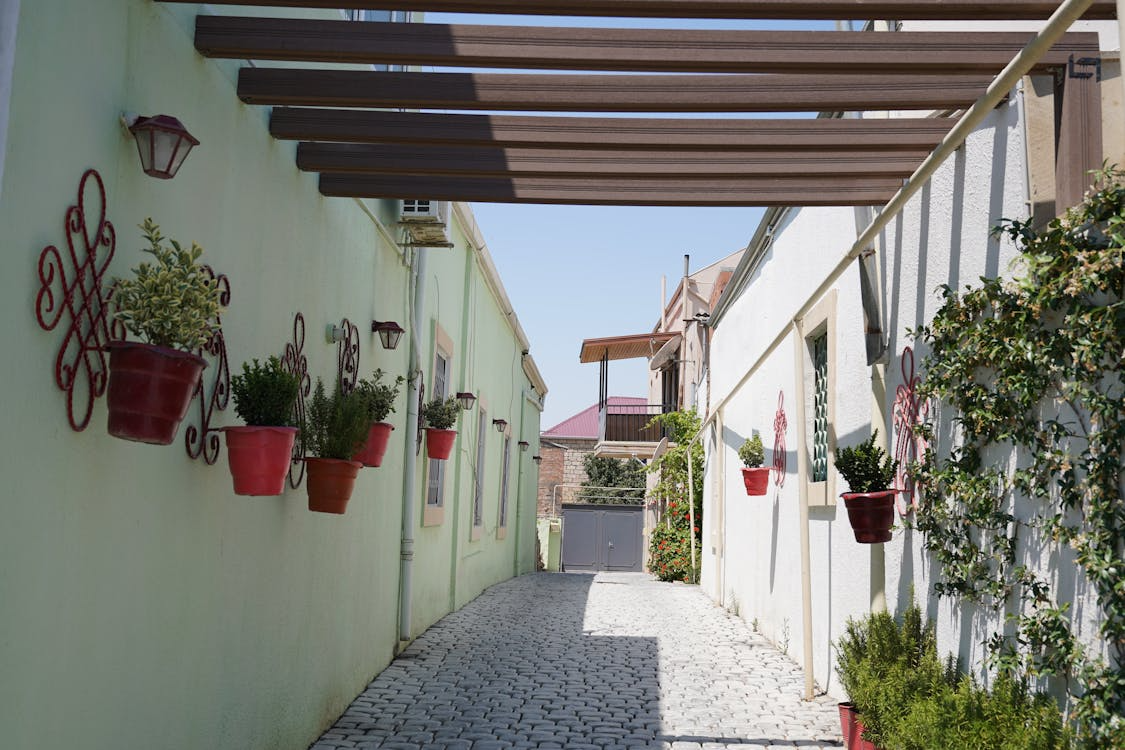
    Built-In Benches

    Wooden benches are built in to maximize the space and give it a unified appearance. The cushions and weatherproof materials should be incorporated to make it comfortable. Built-in seating complements various pergola designs, particularly traditional and hybrid models, and allows for seamless addition of pergola decor like small tables or planters.

    Freestanding Lounge Furniture

    The freestanding chairs and sofas can be moved around. These pergola seating arrangements are appropriate for entertainment and individual relaxation. The layouts can be changed by homeowners without much difficulty in case of events or seasonal changes.

    These furnishings have a long life because of the durable weatherproof materials. Freestanding options pair well with contemporary outdoor pergolas and encourage creative pergola decor placement.

    Swinging or Hanging Seats

    Swings or hanging chairs are added to bring in a sense of playfulness. These pergola ideas provide movement and fun while maintaining comfort. Hanging seats integrate seamlessly with modern and traditional pergola designs, enhancing outdoor experiences while supporting decorative elements like cushions and throw blankets for style.

    Ornamental details make any pergola in the backyard. The space is personalized with the addition of lighting, planters, and textiles. In this paragraph, the author connects the decor strategies to seating and structural decisions.

    Lighting Options

    Ambiance is created by string lights, lanterns, and solar fixtures. Adequate lighting extends the working hours to evenings and brings out the architectural features. The Department of Energy states that LED lights use 75 percent of the energy but offer sufficient brightness.

    Lighting complements all pergola designs, from rustic wood to sleek metal, and accentuates pergola seating areas for evening gatherings.

    Greenery and Planters

    Structural lines are softened by climbing vines, hanging pots, and potted plants. These natural features enhance the quality of the air and the beauty.

    Integrating plants works seamlessly with traditional, modern, and hybrid pergola designs, while enhancing pergola decor through natural textures and colors.

    Textiles and Accessories

    Comfort and color are added with cushions, rugs, and curtains. Waterproof materials are durable and enhance the appearance. The American Home Furnishings Alliance (AHFA) reported that 80% of homeowners will spend on outdoor furniture as its outdoor living space is more valuable to them than ever.

    Using fabrics harmoniously with your pergola designs allows homeowners to accentuate pergola decor and define functional seating zones.

    Functional Features

    Shelves, small tables, or storage can be added to increase usability. Functional pergola ideas provide practical spaces for refreshments, books, or outdoor essentials. These improvements facilitate pergola seating and blend decor and making it more comfortable and appealing. They not only make your home look appealing but also provide you with sufficient storage space for your home.

    (Source)

    An attractive pergola in the backyard can be used to expand the outdoor living throughout the year. The use of shade, weatherproof features, and optimization of layouts makes it usable. To help you out, we have listed down a few tips that can help you make the most out of your outdoor space.

    Shade and Sun Control

    Pergola roofs, curtains, or canopies can be closed in case of sun and rain. Regulated sunshine prolongs life and minimizes furniture deterioration.  Shade solutions enhance pergola designs while protecting pergola seating and pergola decor elements.

    Weatherproofing

    The use of durable materials and finishes helps to protect your investment. Weather-resistant materials are aluminum, treated wood, and powder-coated metals. Weatherproofing complements outdoor pergolas and ensures pergola decor longevity, maintaining functional and stylish seating arrangements.

    Multi-Functional Layouts

    Designing zones for dining, lounging, or socializing maximizes the utility of your backyard pergola. Clear pathways and versatile furniture arrangements with the right patio ideas accommodate multiple activities. Multi-functional spaces allow homeowners to enjoy both pergola seating and decorative features effectively.

    Transforming outdoor spaces with thoughtful pergola ideas enhances comfort, style, and functionality. Integrating diverse pergola designs, flexible pergola seating, and charming pergola decor ensures an inviting environment year-round.

    Making your outdoor space aesthetically appealing will increase the home value. Not only that, it will also provide homeowners with an amazing experience. Therefore, it is something that you should consider going for.

    Day On Garden provides expert guidance and premium materials to create outdoor retreats that balance elegance, durability, and personal expression.

  • Pergola with Roof: Styles, Materials, Costs & Outdoor Ideas

    Pergola with Roof: Styles, Materials, Costs & Outdoor Ideas

    By George House/25,Nov,2025

    A roofed pergola adds a combination of style and shade to any outdoor area. It does not matter whether you want covered pergola designs that provide solid protection or airy roofing that filters sunlight; there is no lack of possibilities.

    The right design can make your backyard a complete relaxation. You will find out the creative pergola roof ideas, the various pergolas with solid roof alternatives, the cost of it, and clever material selections in this article. Your outdoor pergola project will be a sure thing after reading this article.

    (Source)

    Pergola roofs are available in numerous designs that influence light, shade, and weather protection. Fully sealed coverings, slatted or retractable roofs, all options alter the feel of your space. The choice of the type of roof will assist you in striking a balance between functionality and beauty. The following are some of the popular roofs and a glimpse of what they provide.

    Pergola with Solid Roof

    A pergola with a solid roof uses impermeable materials like metal panels, polycarbonate, or shingles to block rain and sun. This choice will provide full protection and will be more of an outdoor room. You are able to eat there even in the rain.

    A lot of homeowners prefer it due to its longevity. A good roof pergola can be decades old with the proper materials. This is why it is perfect when it comes to having a long-lasting, weatherproof shelter.

    Pergola Roof Ideas

    There are so many pergola roof ideas to play with. The canopies are made of fabric that can be pulled down or pulled up at any given time. Slatted or louvered designs provide shade and allow air to pass. Polycarbonate panels are transparent or tinted, and they can permit light but block harmful UV.

    Glass panels can be added to give it a more sophisticated appearance. These innovative concepts turn your pergola into a fashionable and useful item, and it can be shaded in various ways.

    Backyard Pergola Roof Options

    When exploring backyard pergola roof options, think about climate, purpose, and budget. A concrete roof is reasonable in wet areas. In hot sunny regions, slatted or louvered designs provide a shade that does not make one feel too enclosed.

    You may mix materials too: maybe a solid roof to the dining area, and slats to the rest. In that manner, you receive partial protection and at the same time inhale fresh air. This diversity allows you to be free to design both in terms of practicality and beauty.

    Selecting the Appropriate Pergola DesignSelecting the Appropriate Pergola Design

    (Source)

    The type of material that you use on the roof of your pergola influences the durability, maintenance, and cost. Both of the options have their advantages and disadvantages, and it is better to balance them. Here we discuss contemporary possibilities and their peculiarities for pergola ideas.

    Modern Pergola Roof Materials

    Modern pergola roof materials include aluminum, vinyl, polycarbonate, wood, and steel. The materials like powder-coated aluminum resist rust and last from 20 to 30 years with low maintenance. Wooden roofs are natural and warm but need frequent sealing (Princeton Metal).

    Vinyl is not very demanding and may fade. Polycarbonate is light, allows light to pass through, and prevents UV. Other metals, such as steel, are extremely powerful but may require a protective coating. Choose depending on your location and the level of care you desire.

    Waterproof Pergola Roofs

    A waterproof pergola roof is essential if you want true protection. The job is well done with solid metal panels or corrugated sheets. Polycarbonate panels can also be waterproofed when well-sealed. Leaks are avoided by good flashing and guttering. Frequent inspection and repair are also important in ensuring that your roof is water-tight.

    Increasing Comfort Using The Right Pergola SeatingIncreasing Comfort Using The Right Pergola Seating

    (Source)

    The design story does not end at your roof style and materials. The way you design the pergola in general, its size, layout, and shade strategy determine the level of comfort and usability of the area. Form and function are connected by smart design. These are key design considerations and their connection to the already discussed roof types.

    Outdoor Pergola Shade Solutions

    Thinking about outdoor pergola shade solutions means balancing the amount of light and protection you want. Slats or louvers are able to close or open to allow in more or less sun. Retractable roofs provide complete control – shade when you want it, sky when you want it.

    It is also possible to overlay materials: solid panels on top of the seating area, and slatted ones on the sides of it. This provides a combination of direct shade and soft shade. This kind of design provides seasonal flexibility.

    Style and Size Options

    It is important to match the pergola roof with the size and style of your property. A simple covered pergola structure made of smooth aluminum panels is suitable for a small backyard. In larger regions, you may use broader spans or modules.

    Conventional houses are beautiful with wood rafters and traditional roof designs. Contemporary homes benefit from clean lines and modern pergola roof materials. Balance proportions and avoid overbuilding – a large roof may take up too much space.

    Once the structure is ready, styling the space under your pergola with a roof becomes fun. Outdoor smarts make a pergola look like a continuation of your backyard. These are some of the ways of making your vision come alive. Plantings, decor, and lighting are everything.

    Place Comfortable Seating

    You have various seating choices that you can make. Solid or slatted roofs, cushioned sofas, a dining table, or even a hammock make a home that is comfortable yet fashionable. Mix rugs, cushions, and wood or stone floors. You can also go for different patio floor ideas.

    Add Lighting

    Lighting is an important aspect when it comes to getting the most out of your pergola with a roof. String lights, lanterns, or LED strips along rafters make evening gatherings warm and inviting.

    Use Plants or Take Seasonal Features into Account

    Vine (as jasmine or clematis) on the structure softens edges and adds fragrance. You can have some other seasonal features. An example is the summer ceiling fans and heaters during the cooler nights. You can also use your pergola all year round. Either way, you can choose to make additions according to your needs and preferences.

    A pergola with a roof is one of the best ways to upgrade your outdoor space. By choosing the right covered pergola designs, pergola roof ideas, and materials, you can build a structure that offers shade, shelter, and style. It will allow you to create an outdoor space where you can feel relaxed and comfortable.

    Let George Group help you bring your pergola vision to life with expert design and installation.

  • Hello world!

    Welcome to WordPress. This is your first post. Edit or delete it, then start writing!